Business · Russian Federation
Putin reportedly sought business payments to help finance Russia’s war
Reports say Russian businesses are expected to provide about 471 billion rubles to the 2026 budget. The Kremlin disputes the account of Putin’s reported request but says he welcomed voluntary payments.
Russian companies and wealthy citizens are reportedly providing about 471 billion rubles to the 2026 state budget after a closed March meeting with Putin. The Kremlin denies he asked them to finance the war but acknowledges welcoming voluntary contributions.
- Expected 2026 payments total 471.4 billion rubles. [s2]
- Most of the money reportedly arrived after March. [s1, s2]
- The Kremlin disputes Putin requested war financing. [s2]
- Russia’s projected deficit equals 3.2 per cent of GDP. [s1]
What's new
- Russia expects 471.4 billion rubles in voluntary business payments in 2026. [s2]
- Authorities had reportedly collected 384 billion rubles by mid-August. [s2]
- The Kremlin denies Putin asked business leaders to finance the war. [s2]
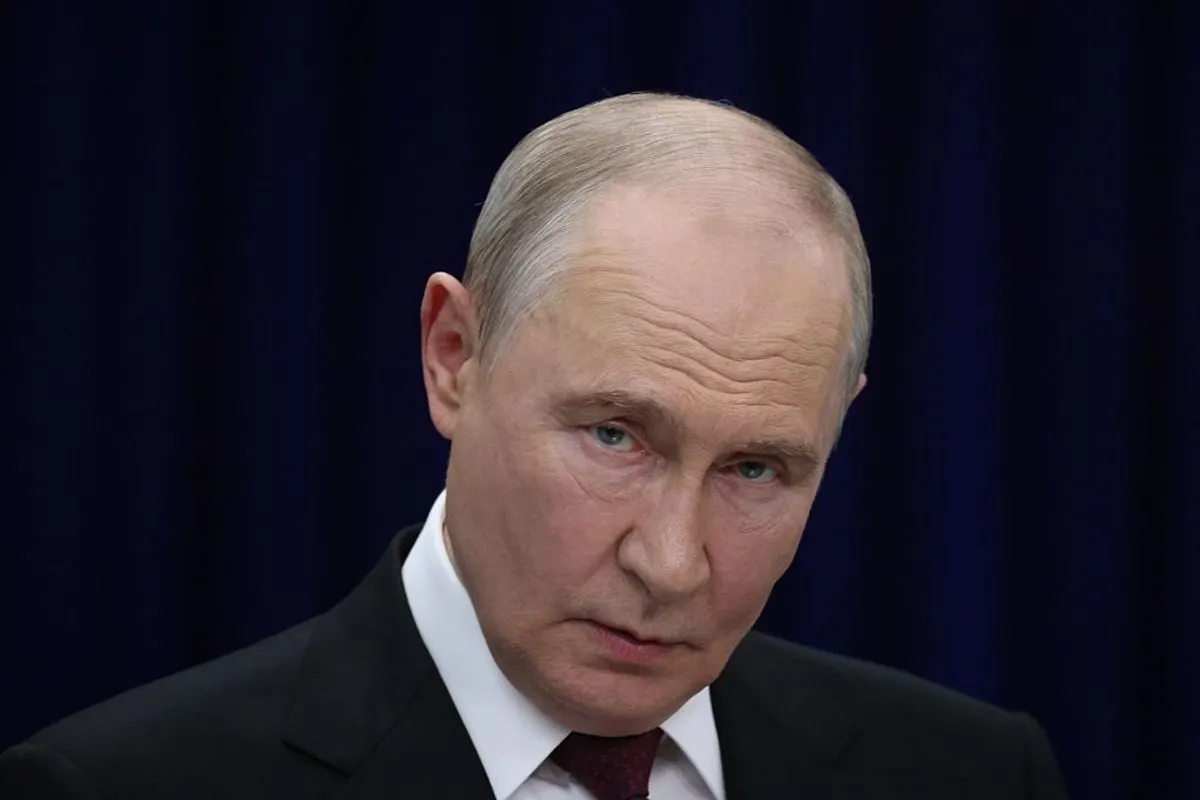
Russian President Vladimir Putin reportedly asked business leaders at a closed meeting in March 2026 to help finance Russia’s war, while authorities expect voluntary company payments to the national budget to reach 471.4 billion rubles this year. The Kremlin has disputed the account of Putin’s request but acknowledged that he welcomed voluntary contributions.12
A disputed account of the meeting
Meduza reported that Putin met businesspeople behind closed doors in March and proposed that they voluntarily help pay for the war. The Kyiv Independent separately described those present as elite Russian businessmen, many of them subject to Western sanctions, but said the attendee list had not been disclosed.12
The Kremlin called the reported account of the meeting and proposal “untrue”. However, the Kremlin said Putin viewed voluntary transfers to the budget favorably, differentiating that position from the alleged appeal it rejected while endorsing such contributions in principle.2
According to the Kremlin account cited by The Kyiv Independent, one participant offered the government a “very large sum of money”. The participant argued that wealthy Russians whose fortunes were built through state connections in the 1990s had a duty to support the budget, and Putin reportedly accepted the offer.1
Payments accelerated after March
Russian authorities expect voluntary business contributions to total 471.4 billion rubles in 2026, according to Meduza. It reported that 384 billion rubles had been collected by mid-August and that most of the money began arriving after March. The anticipated annual total would be a record, compared with 251.3 billion rubles collected from companies in 2025.2
The Kyiv Independent reported a closely matching total of 471 billion rubles from wealthy Russians in 2026. It said the payments, classified in budget documents as voluntary receipts, accounted for more than 1 per cent of the state budget and rose substantially following the March meeting.1
Meduza said nonrepayable receipts from private companies comprise both required payments connected with asset sales in Russia and voluntary budget contributions. An explanatory note to the draft 2027–2029 budget forecasts only 1.9 billion rubles in voluntary contributions in each of those three years, far below the amount expected in 2026.2
Pressure on the state finances
The Kyiv Independent reported that Russia faces a projected 2026 budget deficit of $87 billion, equivalent to 3.2 per cent of gross domestic product. That would be twice the state’s target of 1.6 per cent, while the deficit would reach 3.4 per cent of GDP without the contributions attributed to wealthy Russians.1
The same outlet said that, over the last five years, sanctions, war-related outlays and Ukrainian attacks have strained Russia’s economy, resulting in weak growth, rising prices, elevated borrowing costs and depressed pay. It said Moscow has continued to increase military expenditure, raise taxes and pursue additional sources of revenue for its full-scale invasion of Ukraine.1
Meduza also reported that Russia is increasing military spending and seeking new ways to finance the war, which it described as being in the fifth year of the full-scale invasion. Separately, it said several Russian regions had sharply reduced payments to families of people killed in the war in recent months.2
Why it matters
The reported payments represent another source of state revenue as Russia increases military spending and continues its full-scale invasion of Ukraine. For European readers, they also show how Moscow is seeking additional funds while Western sanctions and wartime expenditure are reported to be putting pressure on the Russian economy.12
Related stories
Version history
- version 1 ·