World · Ethiopia, Qatar, United Arab Emirates
Qatar and UAE back Ethiopia as northern fighting widens
The Gulf states voiced support for Ethiopia’s federal government as Tigrayan forces and government-aligned troops fought across Tigray, Afar and Amhara. The opposing sides blamed each other for starting the renewed offensive.
Qatar and the UAE have supported Ethiopia’s federal government as renewed northern fighting spreads beyond Tigray. The government and the TPLF dispute who began the escalation.
- Tigrayan forces seized three airports on September 23.
- Government-aligned troops captured Alamata on September 28.
- Fighting expanded into the Afar and Amhara regions.
- A local association estimated 150,000 people were displaced.
- Eritrea, Sudan’s army and Egypt denied Ethiopian allegations.
What's new
- Qatar and the UAE backed Ethiopia’s federal government. [s1]
- Government-aligned forces captured Alamata on September 28. [s2]
- Fighting spread from Tigray into Afar and Amhara. [s1, s2]
- About 150,000 people were displaced, according to a local association. [s1]
Qatar and the United Arab Emirates expressed support for Ethiopia’s federal government on September 30 as renewed fighting in northern Ethiopia spread from Tigray into neighbouring Afar and Amhara, according to Euronews. The federal government and the Tigray People’s Liberation Front offered conflicting accounts of who initiated the escalation.12
Gulf states support Addis Ababa
Qatar condemned what it described as a military escalation against federal forces, saying the conflict endangered Ethiopia’s sovereignty and unity as well as stability in the wider Horn of Africa. It called for an immediate halt to the fighting, protection of civilians and adherence to the peace agreement, while declaring “full support” for Ethiopia. These statements were reported by Euronews and have not been independently confirmed in the dossier.1
The UAE said the TPLF and allied armed groups had attacked federal troops, taken airports in Tigray and extended the conflict into Afar and Amhara. Sheikh Shakhboot bin Nahyan Al Nahyan, the UAE minister of state, expressed “full solidarity with the government and people” of Ethiopia. The UAE’s account of the attacks is a single-source claim.1
Conflicting accounts of the offensive
Ethiopia’s government said the TPLF had begun an “all-out offensive”, while the TPLF characterised its operations as a “defensive war”. The Tigrayan group accused federal forces of using aircraft, drones, artillery and ground troops against Tigray. The government, in turn, accused the TPLF of conducting a planned attack.12
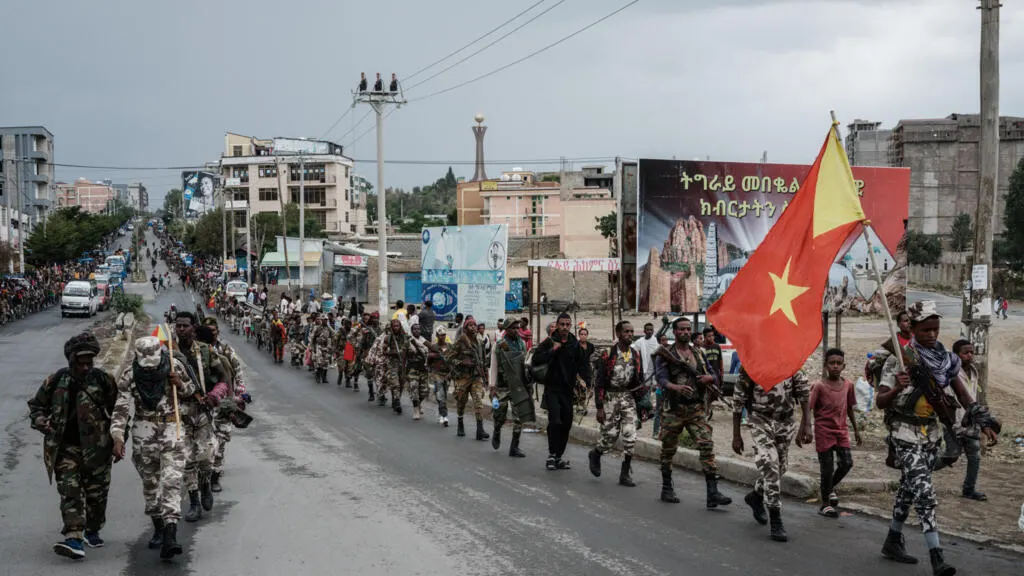
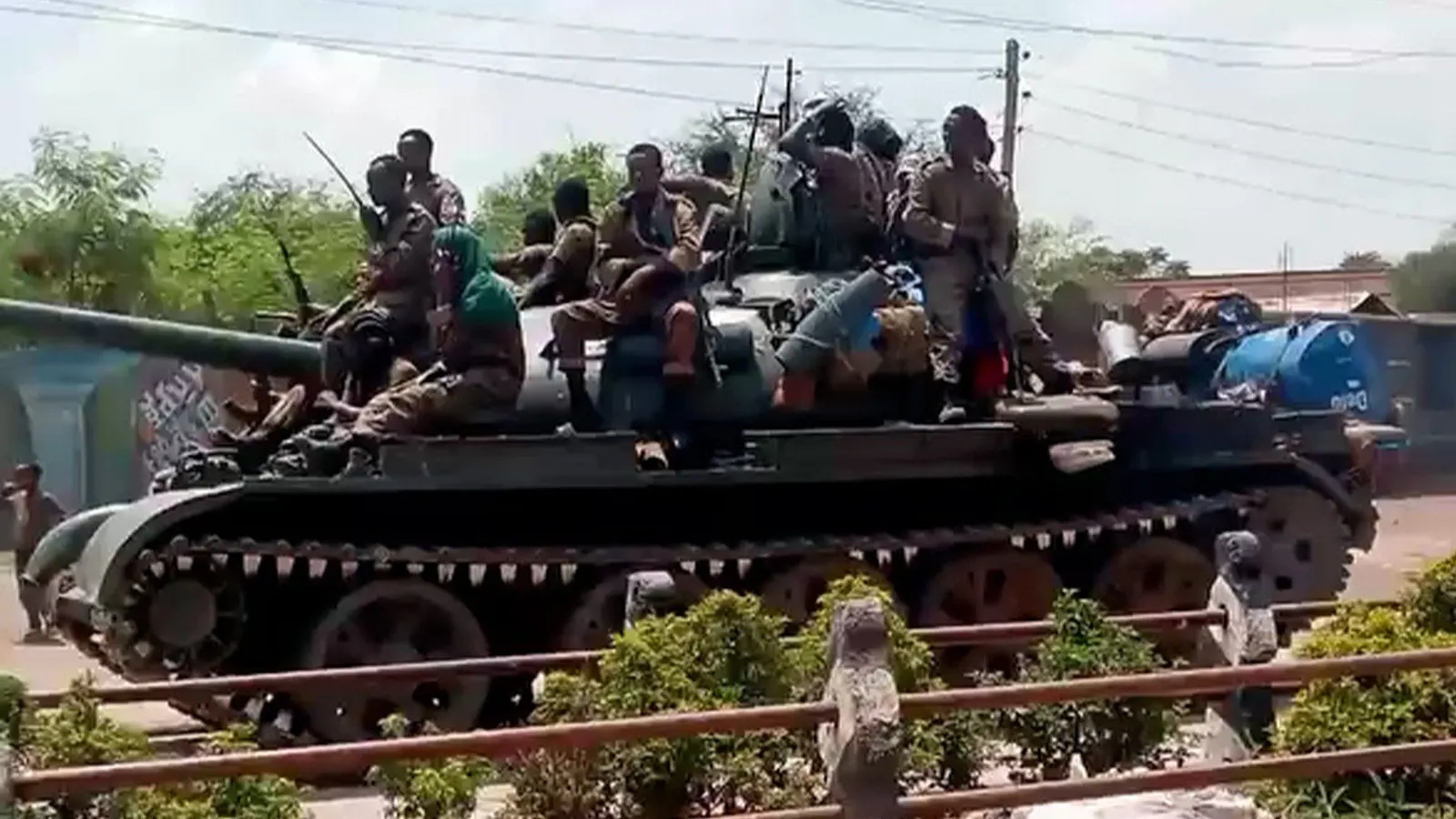
Al Jazeera reported that fighting involving federal and Tigrayan troops erupted close to the Sudan border on August 1. Tigrayan forces later moved tanks and artillery south. On September 23, they seized airports in Mekelle, Axum and Shire and advanced into Afar and Amhara, the outlet reported. Ethiopian Airlines suspended regional flights after the airport seizures, according to Euronews.12
Government-aligned forces captured Alamata, about 120 kilometres south of Mekelle, on September 28, according to Al Jazeera. The outlet reported that between 15 and 17 drone strikes had hit Alamata on September 22, including schools and a hospital. Government forces also retook Sekota in northern Amhara on September 27, while Euronews reported that Tigrayan forces had captured Erebti in Afar.12
Civilian impact and disrupted connections
Médecins Sans Frontières reported treating more than 420 wounded people in Korem and Alamata between September 22 and 25, while more than 300 people arrived at Suhul Hospital during September, according to Euronews. The Afar Pastoralist Development Association estimated that about 150,000 people had been displaced. Al Jazeera reported that large parts of Tigray lost telecommunications access and that commercial air services were halted.12
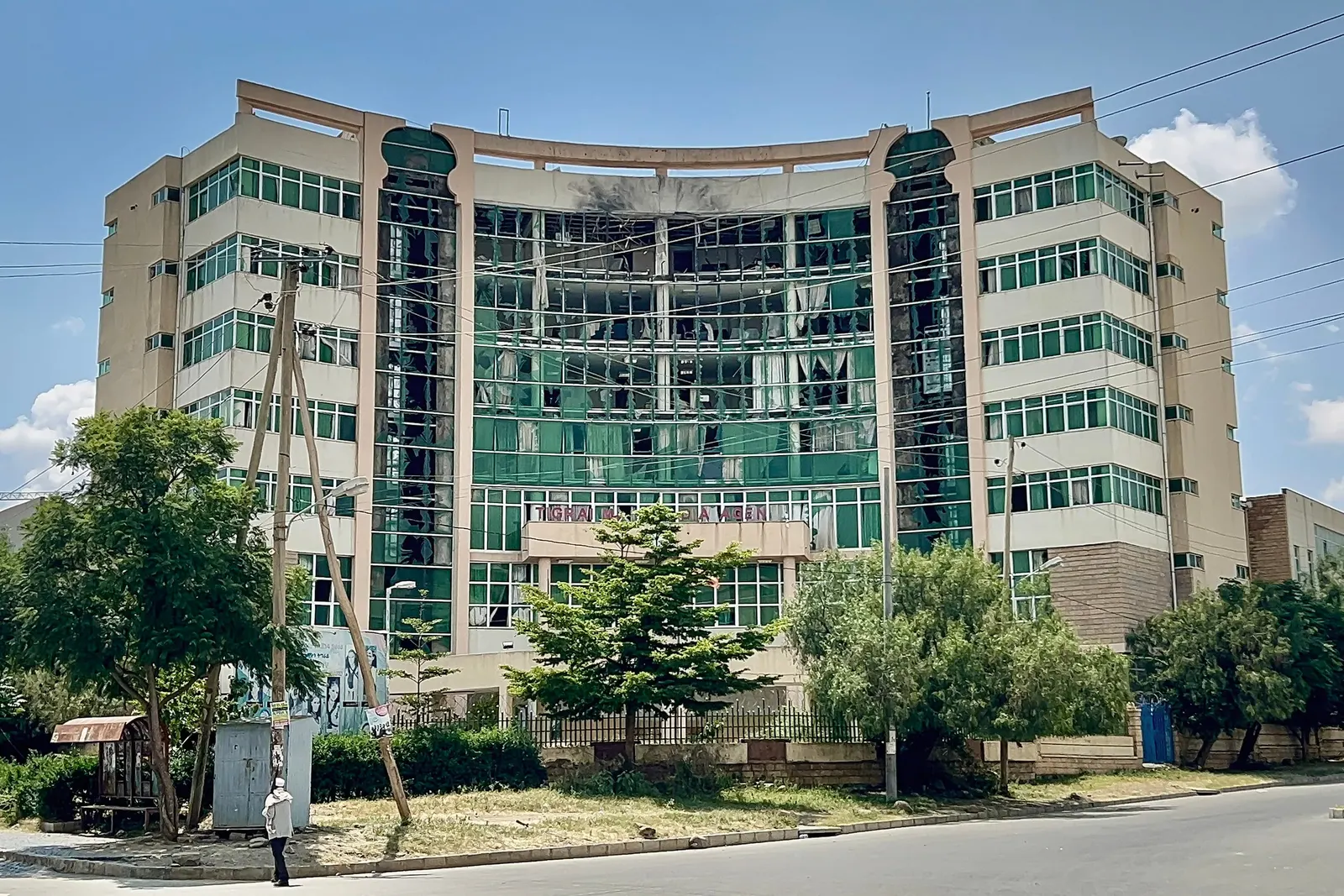
According to Euronews, a drone hit Tigrai TV’s main offices in Mekelle, but no one was reported killed or injured. António Guterres, the UN secretary-general, voiced “grave concern” over the capture of the airports and the spread of fighting outside Tigray. He urged the parties to stop fighting, protect civilians, permit humanitarian access and return to negotiations.1
Regional accusations and a new alliance
Field Marshal Birhanu Jula, who heads Ethiopia’s military, alleged without evidence that Egypt, Eritrea and the Sudanese army were backing armed groups battling the federal government. All three rejected the allegation. The Sudanese military, for its part, alleged that Ethiopian land was being used to assist Sudan’s Rapid Support Forces; Eritrea said the authorities in Addis Ababa were trying to shift blame for Ethiopia’s conflict.12
Seven Ethiopian armed and political groups announced the Alliance for Survival on September 20, according to Al Jazeera, and the Sidama National Liberation Front said on September 25 that it would join. According to the alliance, its goal is to oust the administration led by Prime Minister Abiy Ahmed and establish a broadly representative transitional government. The composition of the alliance remains disputed, while ACLED reported that, by September 26, just three of its constituent groups were engaged in combat against federal troops.12
Why it matters
The widening conflict matters to European readers following security in the Horn of Africa because the fighting has moved beyond Tigray into Afar and Amhara, while Ethiopia has accused three neighbouring or regional states of involvement. Airport seizures, suspended flights, telecommunications cuts and displacement show that the effects are extending beyond the immediate battle lines.12
Videos
Related stories
consequence
Version history
- version 1 ·