World · Russian Federation, Germany
Russian and German foreign ministers meet first time since 2022
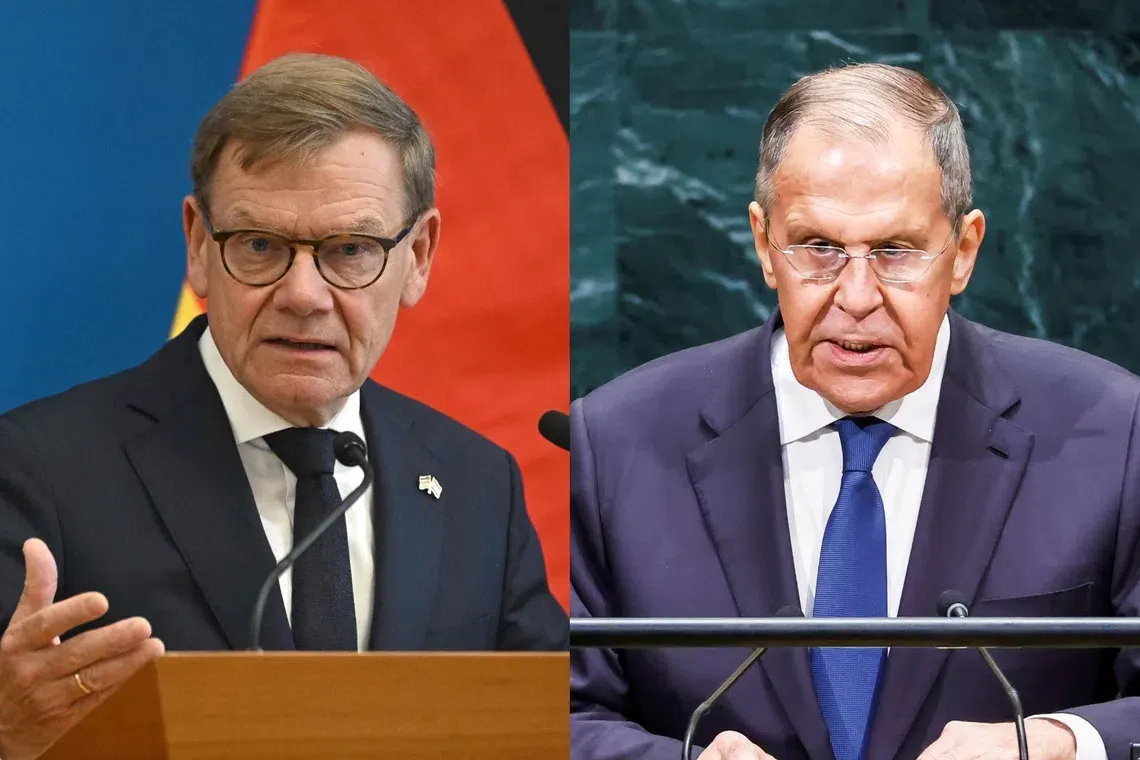
Sergei Lavrov and Johann Wadephul briefly crossed paths at UN headquarters in New York, marking the first direct exchange between Russia's and Germany's chief diplomats since the invasion of Ukraine began.
Russian and German foreign ministers met at the UN for the first time since 2022, but Germany says the talks produced no sign Russia is ready to negotiate.
- Lavrov and Wadephul met at UN HQ on Sept 26
- First such meeting since Russia's 2022 invasion
- Merz says Russia not interested in serious talks
- Germany closed Russian Consulate and Russian House on Sept 1
- Russia warns of further possible actions against German facilities
What's new
- Lavrov and Wadephul met at UN headquarters on Sept 26, the first such meeting since 2022
- Germany's Chancellor Merz said Russia's reaction shows it is not interested in serious talks
- Russia's foreign ministry said it does not rule out further actions against German facilities
- Analysts note the meeting followed Germany's closure of Russian diplomatic and cultural sites
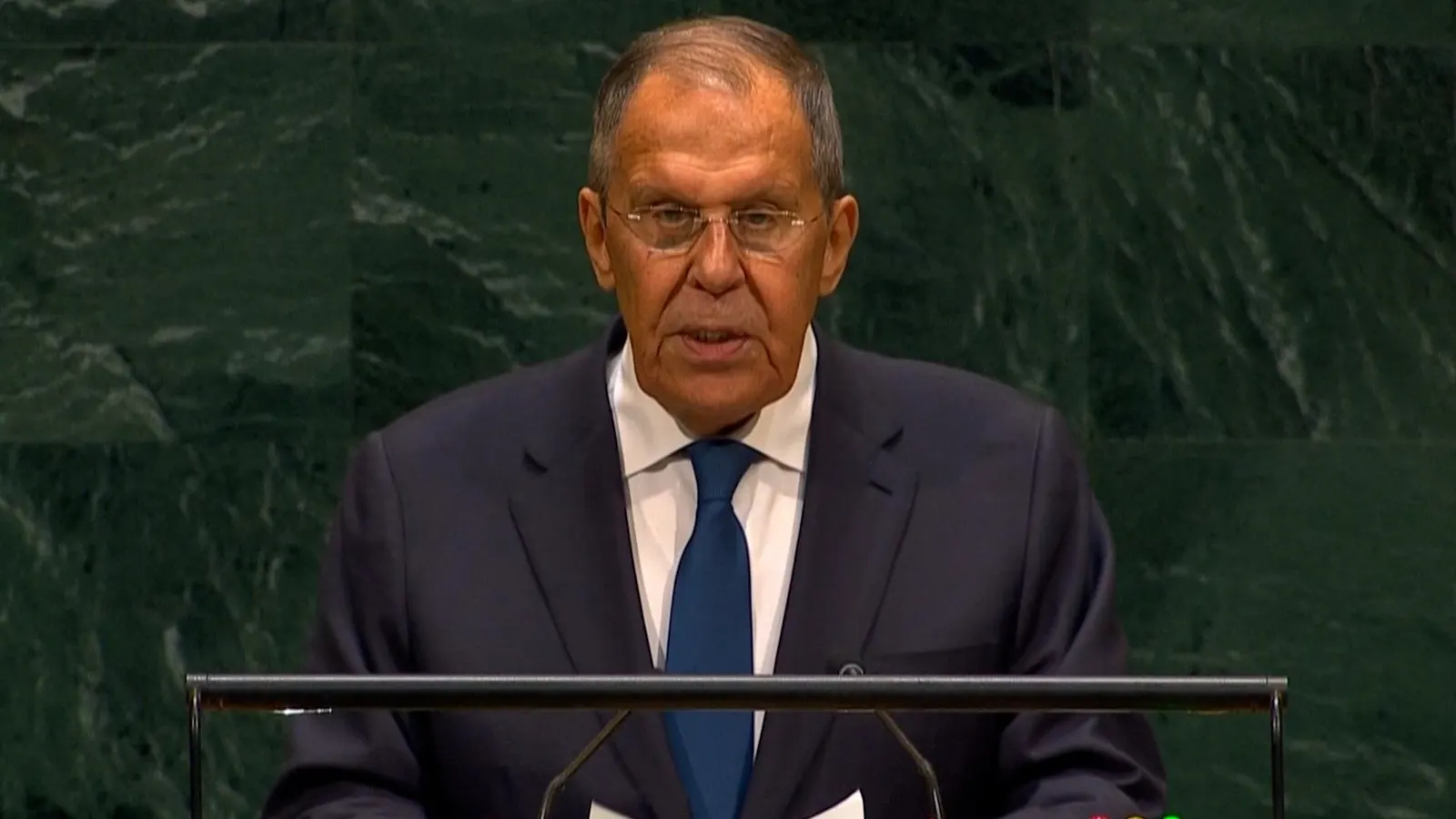
On Sept 26, Russia's top diplomat Sergei Lavrov and Germany's foreign minister Johann Wadephul had a short meeting at the UN's New York headquarters, marking the first such encounter between the two nations' foreign ministers since Moscow launched its full-scale invasion of Ukraine in February 2022.123
A brief meeting, little movement
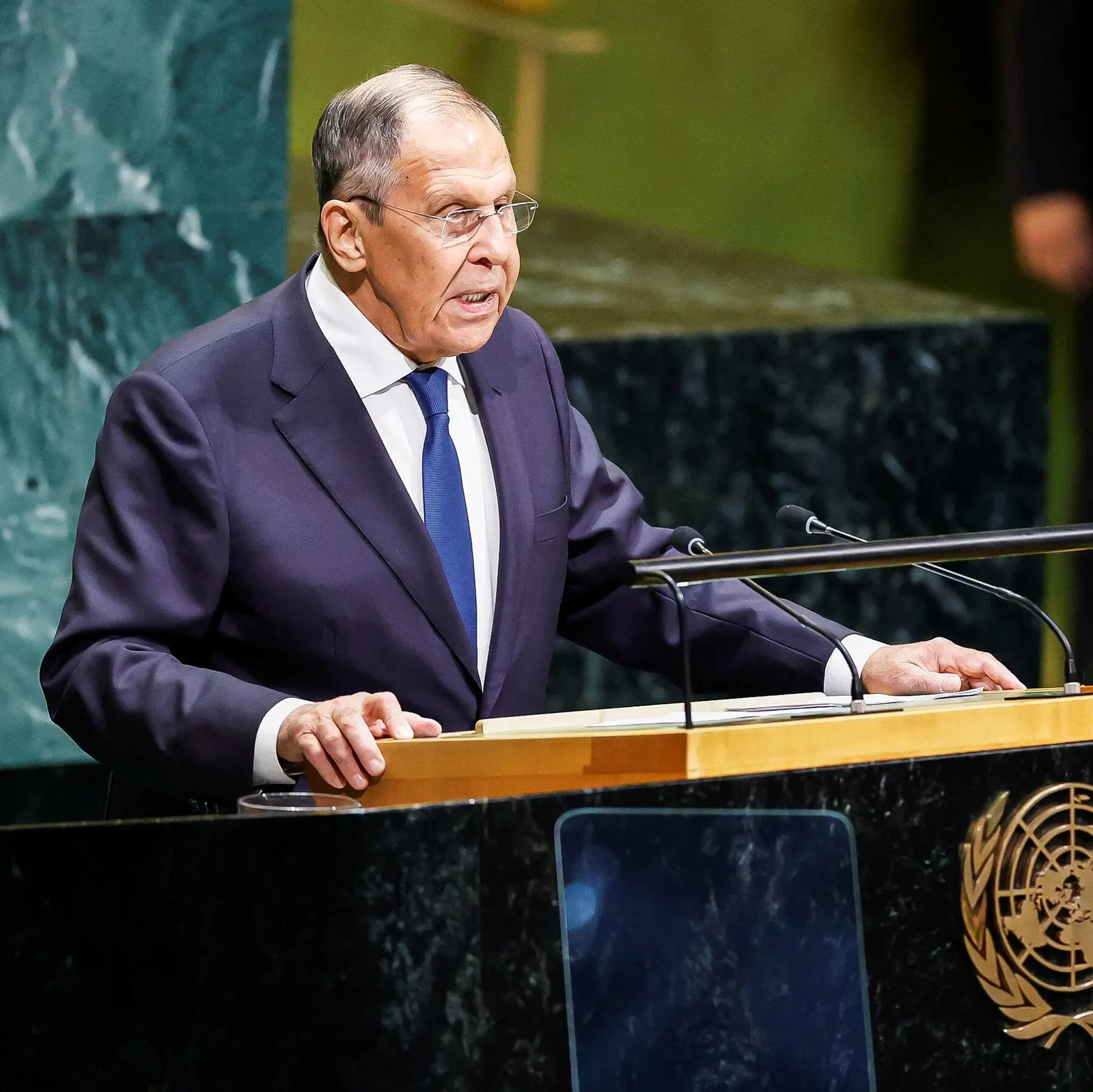
According to CGTN, the German side requested the meeting at the last minute on the Friday it took place, and Lavrov afterwards said the encounter produced nothing new, describing Wadephul as having simply repeated his public position. Lavrov also addressed the UN General Assembly, where, according to the Straits Times, he claimed European nations were obstructing attempts to end the war and maintained that Russia would still achieve the goals of its military campaign.31
German Chancellor Friedrich Merz told a press conference on Sept 29 that Russia's response to the talks showed it was not ready for serious negotiations. He said, "Russia's subsequent assessment of this conversation has shown that Russia is obviously not interested in serious talks at all at this point in time." Merz added that if Russia would not engage, Germany was "ready to support Ukraine over a long period of time," and warned that "Russia will not win this war and would suffer massive damage the longer the conflict continues."1
According to the Straits Times, German Defence Minister Boris Pistorius accused Lavrov of ridiculing and undermining the negotiation process, with the outlet characterizing Moscow's reply as dismissive rather than substantive. According to Ukrainska Pravda, Wadephul sought through the meeting to make clear that further escalation would not be tolerated and to prevent the US from being the only party negotiating with Moscow; the outlet also noted that the two discussed the Black Sea grain export blockade, though without any breakthrough.12
German measures against Russian facilities
The meeting followed a period of deteriorating relations. TASS reported that on Sept 1, Berlin declared it was shutting down the Russian Consulate General in Bonn and halting activities at the Russian House in Berlin, blaming Moscow for a drone incident at Leipzig/Halle Airport earlier that August.4
Per TASS, Deputy Foreign Minister Dmitry Lyubinsky told a discussion hosted by the Russian Academy of Sciences' Institute of Europe that Russia has not excluded the possibility of additional German measures affecting the Russian House. He said, "Further steps by Germany are to be expected. Time will tell what form they take," and described the situation as bordering on the absurd, saying "it is difficult to comprehend how this is being pushed to the point of total absurdity – if not outright lunacy."4
Wider context and reactions
In its analysis, TVP World contended that the meeting offered Germany nothing beyond what a simple public statement could have achieved, and claimed Berlin forfeited the benefit of a unified European voice toward Moscow by engaging Russia on its own. The outlet's analysis was headlined with the phrase "Yalta delivered in instalments."5
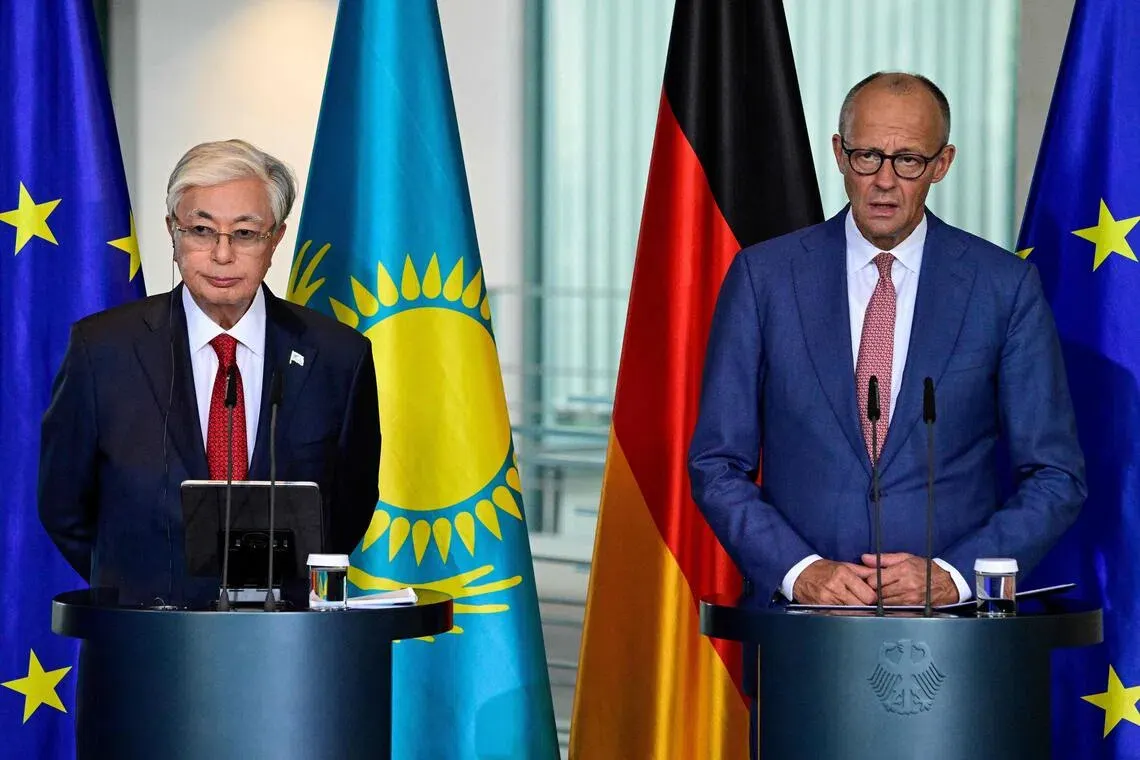
According to the Straits Times, Kazakh President Kassym-Jomart Tokayev, visiting Germany, said his country maintained excellent relations with President Vladimir Putin while also voicing concern about the Ukraine situation from the outset. Tokayev said, "Whatever happens in Ukraine, we will never forget that Russia and Ukraine are our friends."1
Why it matters
The meeting marks the resumption of direct high-level contact between Moscow and Berlin after more than three years without one, yet both sides' accounts suggest no shift in positions. For European readers, the exchange illustrates continuing strain between Germany and Russia over the war in Ukraine and over German actions against Russian diplomatic facilities, with analysts questioning whether individual European approaches to Moscow weaken a unified European stance.25
Videos
Related stories
same actors
same event
same actors
Version history
- version 1 ·