Science & Tech · Russian Federation
Russian satellite approaches Ukraine-supporting spacecraft in low Earth orbit
Reports describe Russian satellite Cosmos-2612 manoeuvring close to ICEYE-X36, which supports Ukraine’s military. The reported distances vary, and accounts also describe a subsequent withdrawal.
Listen to the story
Short version
Reports describe Russia’s Cosmos-2612 approaching a satellite supporting Ukraine, followed by a withdrawal. Reported distances differ, and the purpose remains unresolved.
- ICEYE-X36 supports Ukraine’s military, according to the Post and Axios.
- The Post reported a pass within 100 metres.
- The New York Times reported the Russian satellite was withdrawing.
- El País reported that ICEYE adjusted its satellite’s orbit.
What's new
- The South China Morning Post reported on October 21 that Cosmos-2612 passed within 100 metres of ICEYE-X36.
- The New York Times reported on October 20 that the Russian spacecraft was moving away.
- El País reported that ICEYE adjusted its satellite’s orbit after the Russian manoeuvres.
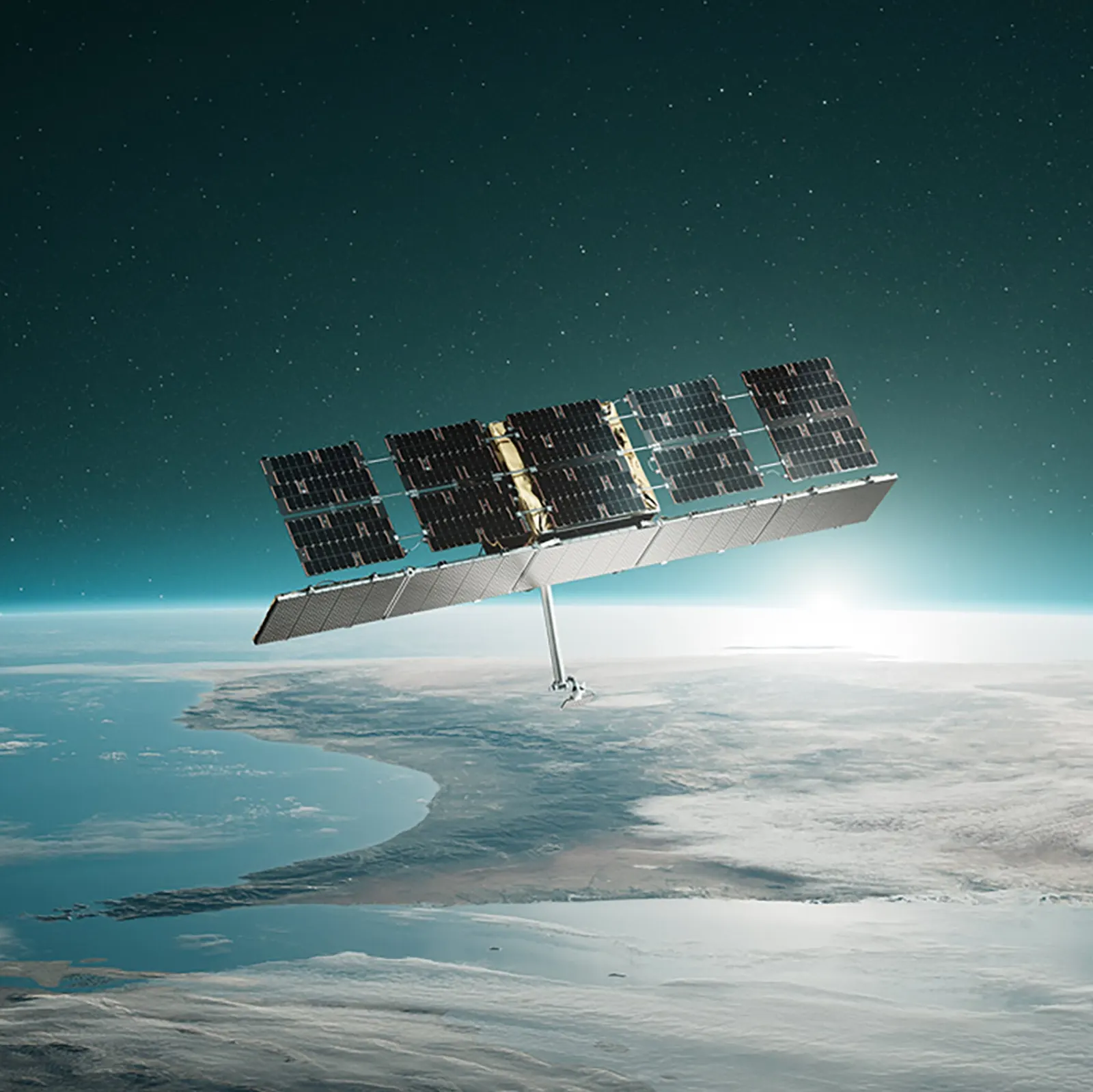
Russia’s Cosmos-2612 satellite manoeuvred towards ICEYE-X36, a spacecraft supporting Ukraine’s military, in low Earth orbit between October 15 and 19, according to El País. The South China Morning Post reported on October 21 that the Russian satellite had come within 100 metres over the weekend, while other accounts described its subsequent retreat.1234
Approach and withdrawal
The reports give different distances for the encounter. Axios reported on October 17 that Cosmos-2612 had approached to roughly three miles, citing tracking by LeoLabs. El País subsequently reported a separation of less than five kilometres. The 100-metre figure appeared in the South China Morning Post’s October 21 account.234
Withdrawal was also described in the coverage. The New York Times reported on October 20 that the spacecraft was backing away. El País said the Russian satellite had approached, moved around ICEYE-X36 and then withdrawn in a controlled sequence, eventually reaching a separation of more than 100 kilometres.13
The South China Morning Post reported that the Russian military spacecraft was placed in low Earth orbit in April. It began altering its course in late September and ultimately entered the same orbit as ICEYE-X36, the newspaper reported. Those changes preceded the October encounters described by the other outlets.234
A spacecraft supporting Ukraine
ICEYE-X36 supports Ukraine’s military. The South China Morning Post describes it as a spacecraft operated by Finland’s ICEYE under a United States contract. El País reported that it supplies Ukraine with detailed images of the areas where fighting is taking place.234
That connection extends beyond the reported encounter. According to El País, ICEYE announced in 2022 that it was transferring a satellite to the Ukrainian government and providing access to the remainder of its constellation. The newspaper also cited ICEYE chief Rafal Modrzewski as saying the company had adjusted ICEYE-X36’s orbit after the Russian manoeuvres.3
Questions about the manoeuvre
El País characterised the operation as a deliberate orbital rendezvous rather than an incidental crossing. It reported that LeoLabs had not previously observed such an intentional approach sustained for several days between spacecraft belonging to different owners. The newspaper described it as the first known low-Earth-orbit encounter between two active satellites without one operator’s consent.3
According to the same report, Orbital Radar’s data showed Cosmos-2612 adjusting its path until it nearly matched ICEYE-X36’s trajectory. El País also reported that the closest part of the encounter occurred while the spacecraft were travelling at an altitude of 540 kilometres.3
Axios reported concern among analysts about the purpose of the approach. The New York Times reported that analysts saw the manoeuvre as another example of aggressive conduct by Russia. El País raised the possibility that manoeuvres of this kind could threaten commercial satellite constellations even without a direct attack; that remains an assessment rather than an established outcome of this encounter.134
Why it matters
The encounter involves a spacecraft operated by a Finnish company that supports Ukraine’s military, linking European commercial space operations with the war. The South China Morning Post reported that the approach prompted concern about Moscow’s activities in orbit.24
Videos
Related stories

Version history
- version 1 ·