Slovak Coalition Feud Raises Prospect of January Elections
A dispute between coalition partners over Environment Minister Tomáš Taraba has led Prime Minister Robert Fico to acknowledge that early elections could be held in January, though he says he would rather see the government complete its term.
Slovak PM Robert Fico says early elections could come as soon as January amid a coalition rift over Environment Minister Tomáš Taraba.
- Coalition partners Danko and Taraba are locked in a dispute over Taraba's ministerial post
- Fico plans to withdraw his dismissal proposal against Taraba and meet the president
- Hlas-SD says it does not want early elections and wants remaining promises completed first
- One source reports Taraba resigned and returned to parliament as an independent
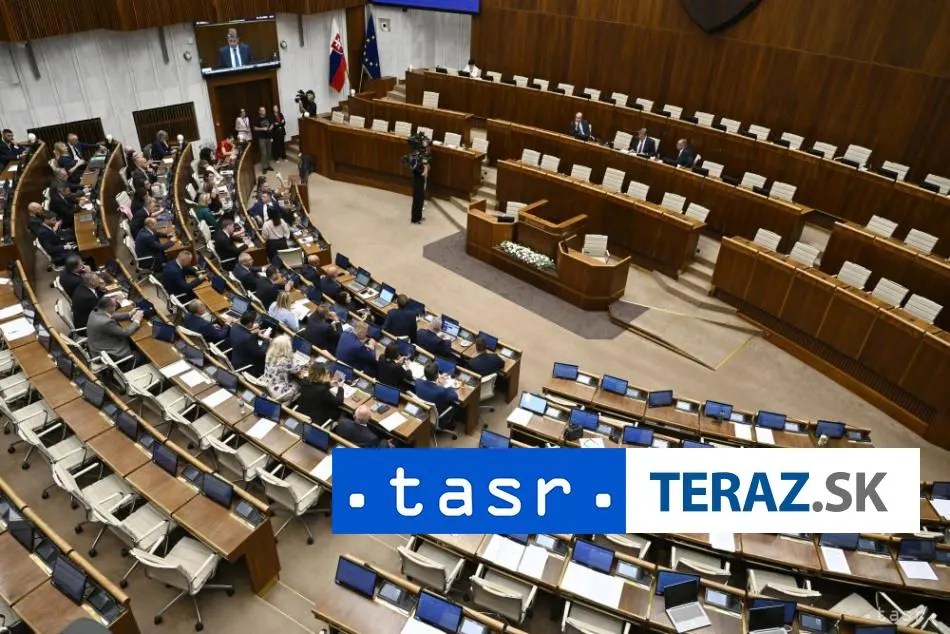
- The coalition's parliamentary majority is narrow, raising risk of government collapse
What's new
- Fico said he is ready to go to elections in January if the coalition cannot secure its majority
- Taraba resigned from cabinet and returned to parliament as an independent deputy, according to one source
- Fico plans to withdraw his dismissal proposal against Taraba and meet President Pellegrini
- Hlas-SD said it has no interest in early elections and wants Danko and Taraba to reach agreement
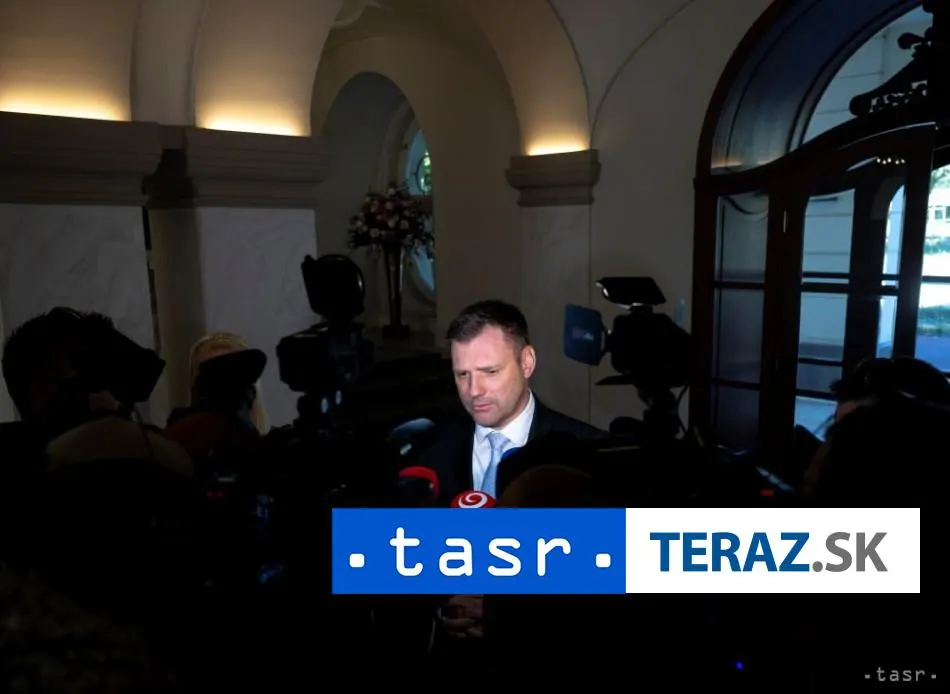
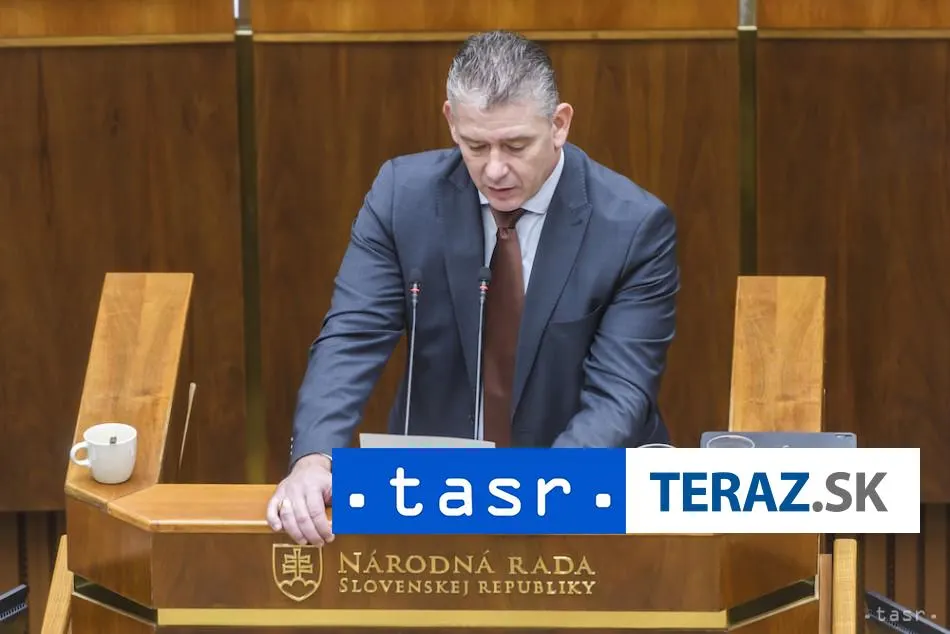
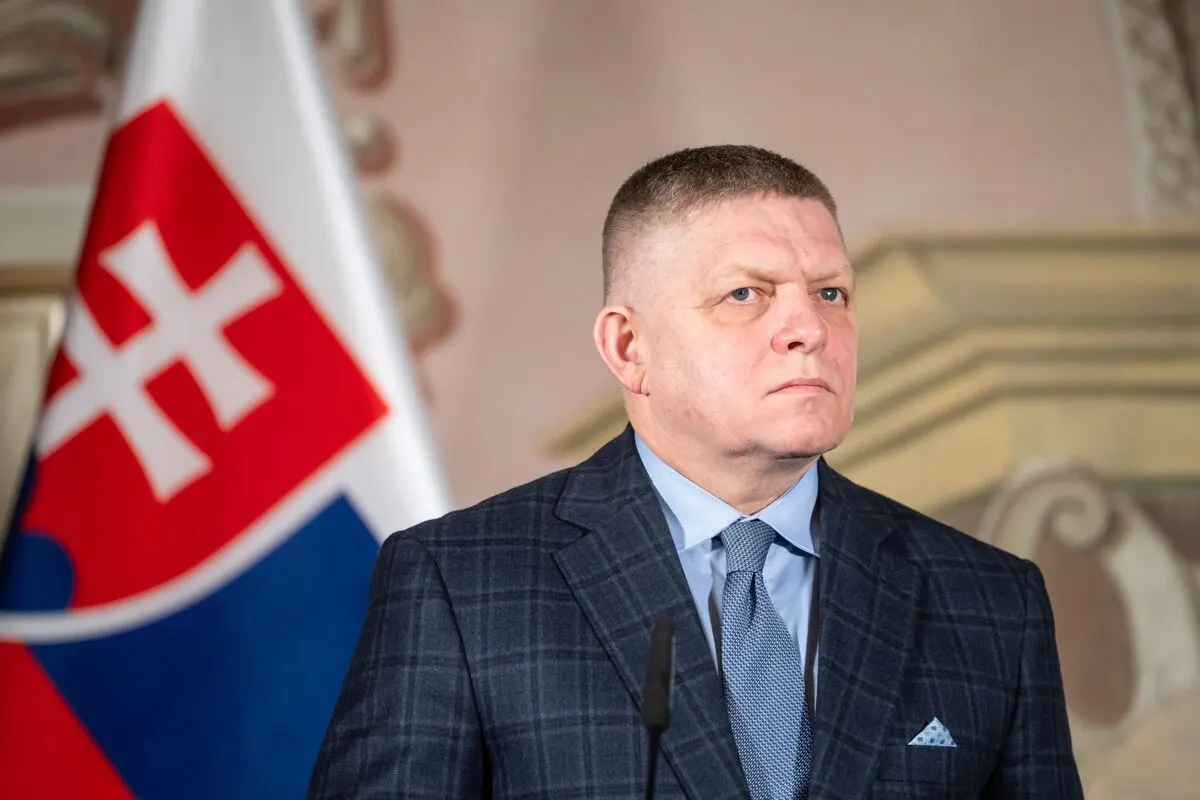
On 27 September, Slovak Prime Minister Robert Fico said early elections could take place in January should his three-party coalition fail to settle the disagreement between SNS chief Andrej Danko and the Environment Minister, Tomáš Taraba, which endangers the government's slim majority in parliament.124
A coalition dispute over a minister
The conflict centres on Danko's demand to replace Taraba, the SNS-nominated Environment Minister, prompting Fico to file a dismissal proposal with President Petr Pellegrini. According to sources, that proposal contained no substantive reasons or violations, and Taraba has said he never requested any positions from anyone. Fico has said he plans to withdraw the dismissal proposal and intends to meet Pellegrini to request its withdrawal.123
Fico called on Danko and Taraba to provide guarantees that the government would keep its parliamentary majority, warning that all options remain possible if the two men do not resolve their differences. According to one source, Taraba's departure from cabinet could reduce the coalition's parliamentary support to 75 seats, and a Hlas lawmaker and a state secretary at the Ministry of Investment were reportedly considering joining a blocking group formed around Taraba. Another source reported that Taraba's departure would cost the government its three-seat majority.23
According to one source, Taraba stepped down as minister and rejoined parliament as an independent deputy; the source explained that cabinet members holding MP seats forgo exercising their parliamentary mandate for as long as they serve in government, a factor the source linked to the threat to the coalition's majority. A different source said Taraba had signaled that leaving his ministerial post would allow him to take up an independent seat in parliament.54
Party positions on early elections
Hlas-SD, one of the three coalition parties, said it has no interest in early elections. Deputy chair Erik Tomáš said the party wants to complete remaining commitments to voters before any vote and expressed confidence that Danko and Taraba would ultimately reach an agreement to preserve the government's majority. According to the same sources, one route to early elections would be a constitutional law proposal to shorten the parliamentary term, and if Danko and Taraba want regular elections to take place in September 2027 as planned, they would need to act accordingly.12
Milan Uhrík, leader of the Republika party, said Fico had acknowledged the possibility of January elections and argued that a vote would be logical if the government collapsed and the opposition gained a parliamentary majority. According to a single source, Republika is prepared for early elections should the government dissolve, though it does not itself desire them. Fico was quoted as saying he is more willing than his coalition partners to go to elections as early as January.2
Opposition deputy chair Marián Viskupič, of the SaS party, criticised the government for focusing on its own problems rather than on citizens, and predicted that the prime minister and finance minister would make budgetary concessions to what he called extortionists. He noted that the finance minister had promised a deficit target of three percent but was preparing a budget with a 4.9 percent deficit. Sources also noted that the government had pledged voters stability and calm yet had instead produced turmoil, coercion and economic downturn, and that Fico's Smer-SD party stood ready, if needed, to become an opposition party following the next election.124
Why it matters
A collapse of Fico's coalition would test whether Slovakia holds elections months ahead of schedule, with opinion polls cited by one source suggesting liberal and conservative parties could gain ground. The outcome carries implications for Slovakia's position within the European Union, where one source described Fico as an outlier over pro-Russian views.23
Videos
Related stories
Version history
- version 1 ·