Slovak court identifies legal gap for same-sex couples
The Constitutional Court upheld the challenged marriage-related provisions but found that Slovakia lacks a separate framework protecting same-sex couples’ family life.
Slovakia’s Constitutional Court upheld existing marriage provisions but found a systemic absence of legal protection for same-sex couples. It said the judiciary cannot create or prescribe the missing alternative framework.
- Marriage-related provisions were not annulled.
- Same-sex couples lack an alternative recognised legal status.
- Several family-related legal consequences remain unavailable to them.
- Only lawmakers can create the missing framework.
What's new
- The court rejected MPs’ challenge to marriage-related provisions.
- It identified a systemic gap in protection for same-sex couples.
- The court said creating an alternative legal status is beyond its powers.
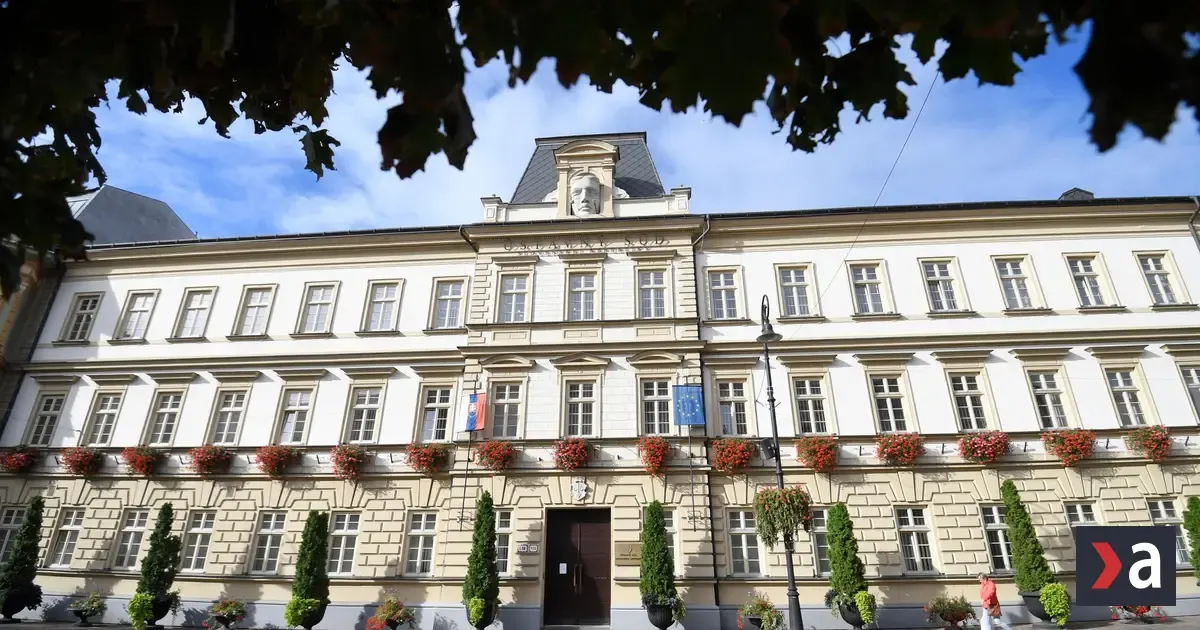
Slovakia’s Constitutional Court said on 6 October that the country has no alternative legal framework giving same-sex couples appropriate recognition and protection for their family life, while rejecting a challenge brought by members of parliament against marriage-related provisions in the Act on the Family and other laws.123
A gap beyond the marriage provisions
The court concluded that the central constitutional problem does not arise from the special legal position of marriage or from the individual provisions challenged by the MPs. Instead, it identified a wider regulatory shortfall caused by the absence of a parallel institution for couples who cannot obtain the legal status and protections associated with marriage.123
Under the framework considered by the court, marriage receives special protection as a union of a man and a woman, while spouses have specifically regulated rights and obligations. The court found that this arrangement does not conflict with the Constitution or the international instruments cited in the proceedings.123
The difficulty emerges when the Act on the Family is considered alongside the lack of another recognised partnership status, the court found. Stable same-sex couples can have relationships displaying the characteristics of family life, yet remain outside family-law protection and cannot obtain several legal consequences linked to marriage or family status.123
Limits of the court’s authority
The court said it had neither the jurisdiction nor a substantive basis to annul the contested provisions in their present form. Removing those rules would not itself supply the broader legal institution that the court identified as missing from Slovakia’s legal order.123
Nor can the Constitutional Court require lawmakers to adopt such a framework or prescribe what form it should take. The decision therefore distinguishes between identifying a systemic deficiency in legal protection and exercising legislative power to remedy it.123
The MPs’ case
The proceedings followed a 2023 submission by 33 MPs challenging provisions of the Act on the Family, the Civil Code, social insurance legislation and laws governing cash allowances intended to compensate for severe disability. The applicants included the full parliamentary group of SaS, serving MPs associated with the extra-parliamentary Demokrati party, and former OĽANO members in a civic-democratic platform.123
The MPs also asked the court to review the National Council’s failure to enact legislation recognising same-sex couples and protecting their relationships. In April 2024, the court rejected that part of the application because reviewing the parliament’s legislative inaction fell outside its jurisdiction.123
The ruling reported on 6 October rejected the remaining challenge to the marriage-related provisions. At the same time, the court’s reasoning established that the broader absence of any alternative status leaves same-sex couples without access to a set of protections attached to legally recognised family relationships.123
Why it matters
The decision separates the constitutionality of Slovakia’s marriage rules from the question of legal safeguards for same-sex couples. For readers across Europe, it illustrates how a court can recognise a gap in family-life protection while concluding that only lawmakers can design and enact the missing legal framework.123
Related stories
Version history
- version 1 ·