Slovak diesel reaches record as petrol price levels off
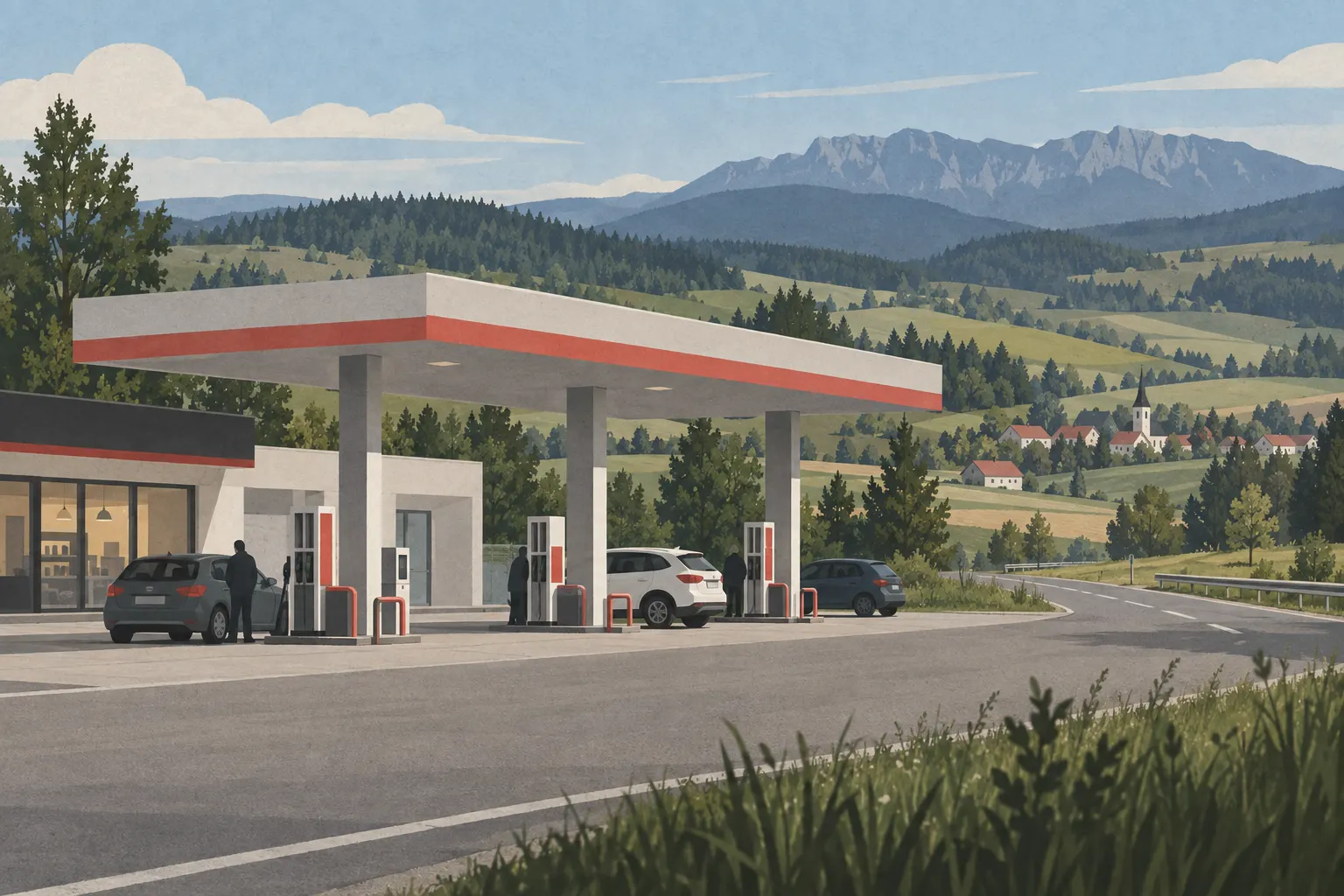
Diesel continued its months-long rise in Slovakia during week 39, while the price of standard petrol was unchanged. The government approved measures including a cap on fuel retailers’ margins.
Slovak diesel reached a record while standard petrol stopped rising in week 39. The government approved a fuel-margin cap and temporary rail-fare reduction, but opposition parties rejected the package.
- Diesel was reported at a record €1.978 a litre.
- Petrol 95 held steady at €1.853 a litre.
- Fuel remained about 12 per cent below the EU average.
- Retail fuel margins are set to be capped at €0.10.
- Opposition parties proposed tax changes and targeted household support.
What's new
- Diesel reached €1.978 a litre after another weekly increase. (s1, s2)
- Petrol 95 remained unchanged at an average €1.853 a litre. (s2)
- The government approved a €0.10-a-litre limit on retail fuel margins. (s2)
- Opposition parties rejected the government’s response to rising prices. (s2)
Diesel prices in Slovakia reached a record in week 39, according to reports published on October 2, while the average price of standard petrol stopped rising. The reports put diesel at €1.978 a litre and Aktuality.sk, citing the Statistical Office of the Slovak Republic, said it was the highest level since monitoring began.12
Diesel extends its rise
Hospodárske noviny and Aktuality.sk reported that diesel rose by 2.8 cents a litre during the week, although the available dossier classifies the exact weekly increase as disputed. Diesel had become more expensive in 13 successive weeks with one exception. Hospodárske noviny said the average weekly movement in the basic diesel price during 2026 had been plus or minus 3.5 cents a litre.12
Petrol 95 averaged €1.853 a litre, according to Aktuality.sk, which said the price was unchanged from the previous week. Hospodárske noviny likewise reported that standard petrol had stopped rising and was selling for slightly more than €1.85 a litre, its highest level since the summer of 2022.12
Fuel remained substantially more expensive than a year earlier. Hospodárske noviny reported year-on-year increases of 22 per cent for basic petrol, 18 per cent for premium petrol, 36 per cent for diesel and 30 per cent for premium diesel. The outlet put premium diesel at €2.168 a litre.1
Prices remain below EU average
Despite the increases, both reports said the principal petrol and diesel grades in Slovakia remained about 12 per cent below the European Union average. Aktuality.sk estimated the difference at roughly 25 to 26 cents a litre, including a gap of about 25 cents for Petrol 95.12
Prices for vehicle gases changed little. Hospodárske noviny reported that LPG was unchanged at €0.801 a litre and CNG remained at €1.997 a kilogram. LNG declined by 0.1 cents to €1.979 a kilogram.1
Government intervention draws criticism
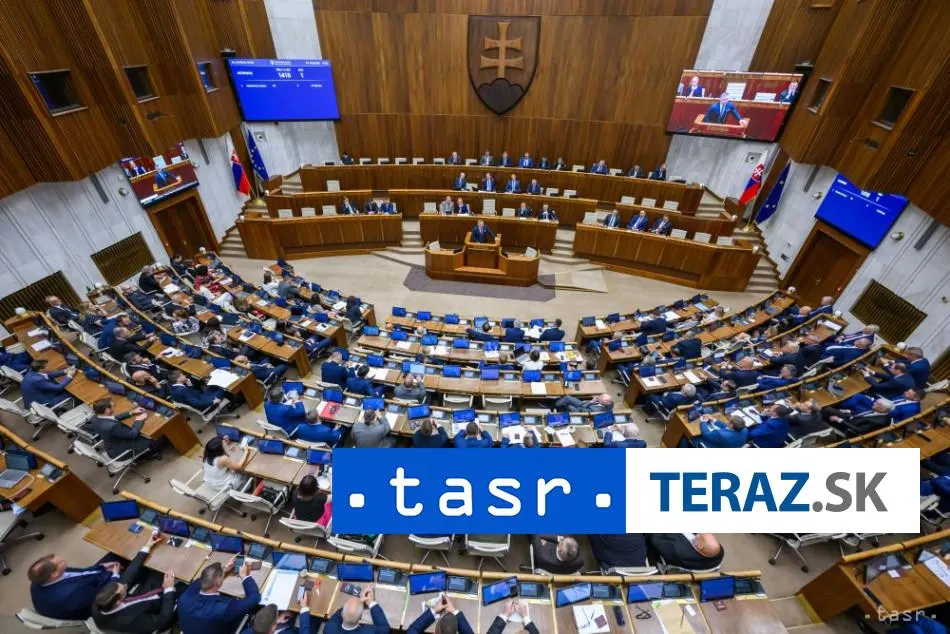
The Slovak government approved a package intended to reduce the effect of rising prices on households, according to Aktuality.sk. The measures include limiting retail margins on petrol and diesel to €0.10 a litre and cutting second-class train fares by half for one month.2
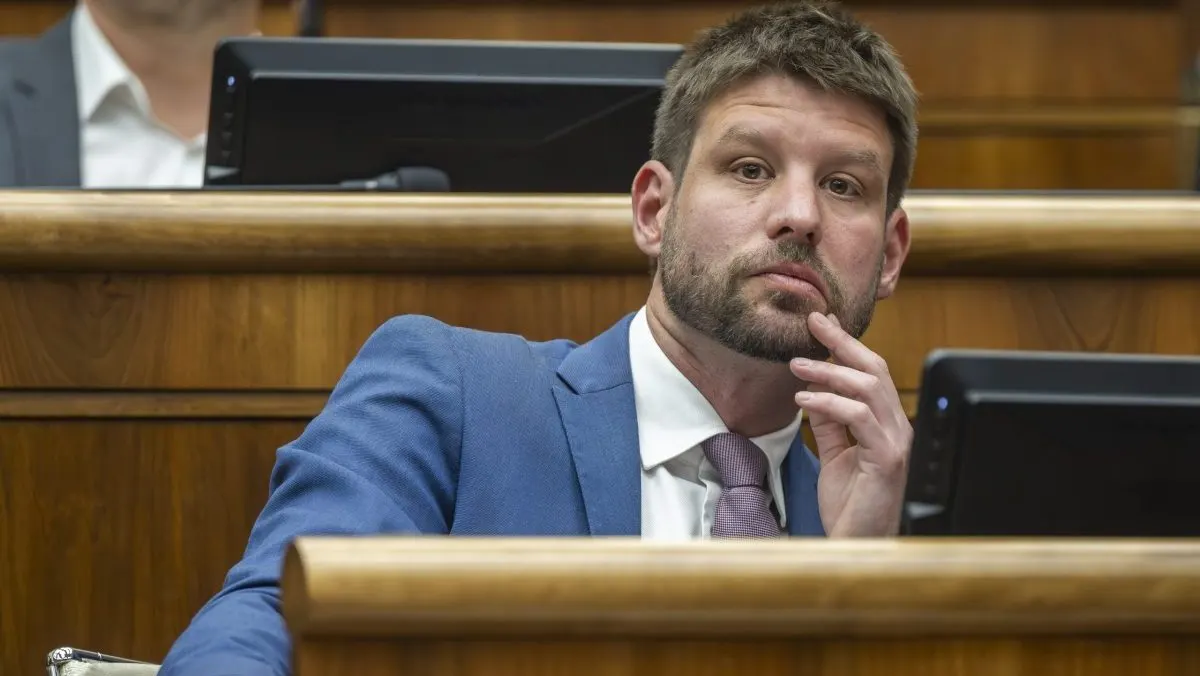
Prime Minister Robert Fico said the objective was to keep Slovakia among the EU countries with the lowest fuel prices. The opposition rejected the package. Progresívne Slovensko MP Ján Hargaš described it as “populizmus” and proposed taxing Slovnaft’s profits to finance fuel vouchers for vulnerable households.2
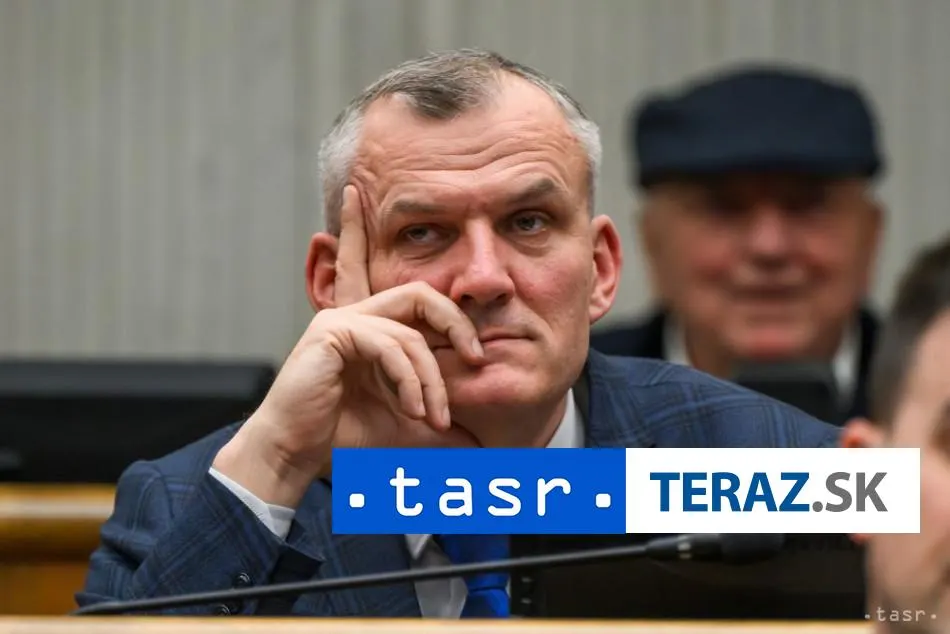
KDH estimated that higher fuel prices would generate about €110 million in additional value-added tax revenue and argued for directing the proceeds towards vulnerable groups. KDH MP Rastislav Krátky called the proposed fuel-station margin cap a “simuláciu riešenia”. Slovak Freedom and Solidarity advocated reducing fuel excise duty.2
Why it matters
The figures show that Slovak fuel prices are increasing sharply from their levels a year earlier even while remaining below the EU average. The government’s margin cap and temporary rail discount also place Slovakia’s response within the wider European question of how national authorities can limit the effect of energy costs on households.12
Related stories
same place
Version history
- version 1 ·