Slovak government says public-sector pay will rise in 2027
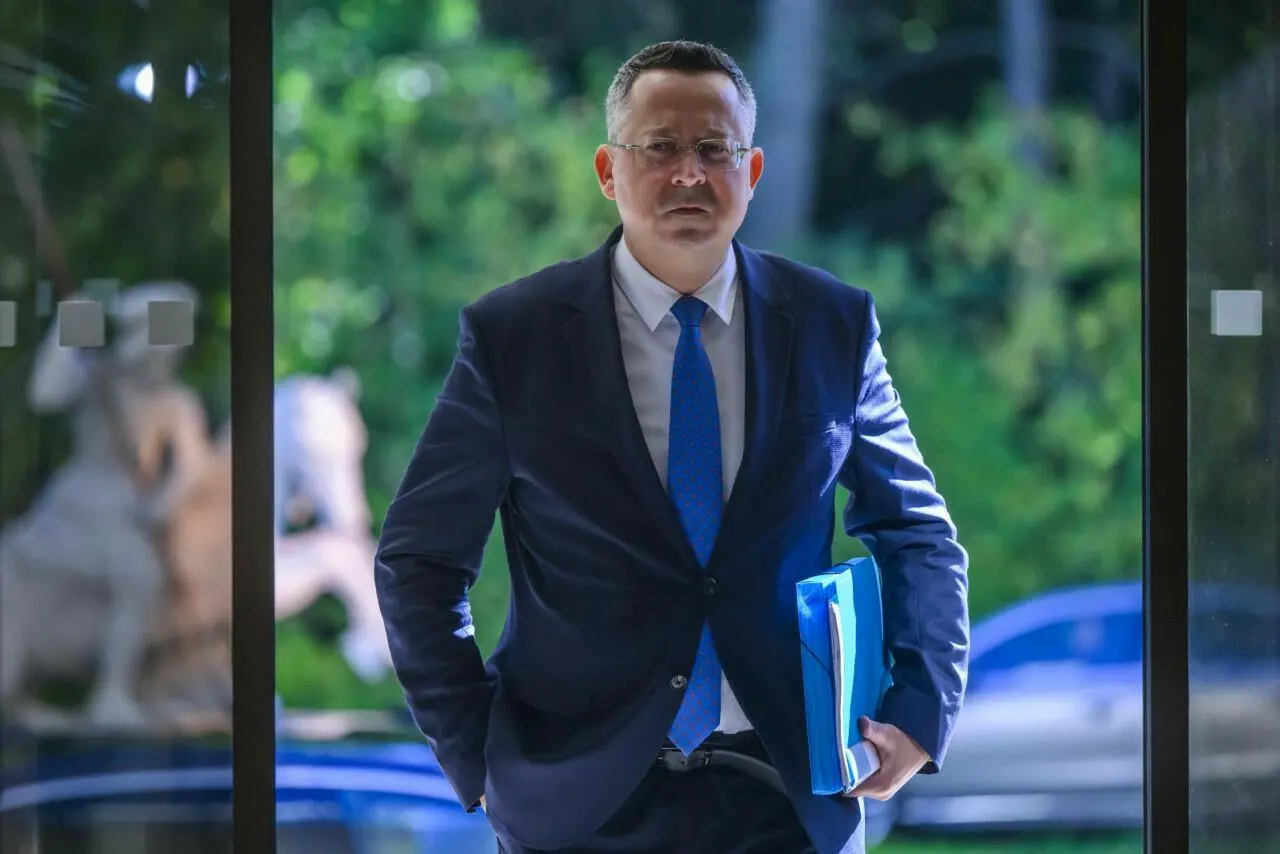
Education Minister Tomáš Drucker says an agreement covers teachers, non-teaching staff and other public employees. The pay pledge accompanies a 2027 budget plan projecting a deficit of 4.94% of GDP.
Slovakia’s government has approved a 2027 budget plan, while Drucker says public-sector employees will receive pay rises. The plan targets a deficit of 4.94% of GDP.
- Teachers and non-teaching school employees are included in the stated pay agreement.
- No figure for the planned salary increase has been disclosed.
- The projected deficit is €7.443 billion, or 4.94% of GDP.
- The budget includes €250 million for household energy assistance.
- The government says no further tax or contribution increases are planned.
What's new
- Slovakia’s government approved its draft 2027 budget on 5 Oct.
- Drucker said all state and public-administration employees will receive pay rises.
- The plan projects a €7.443 billion deficit, equal to 4.94% of GDP.
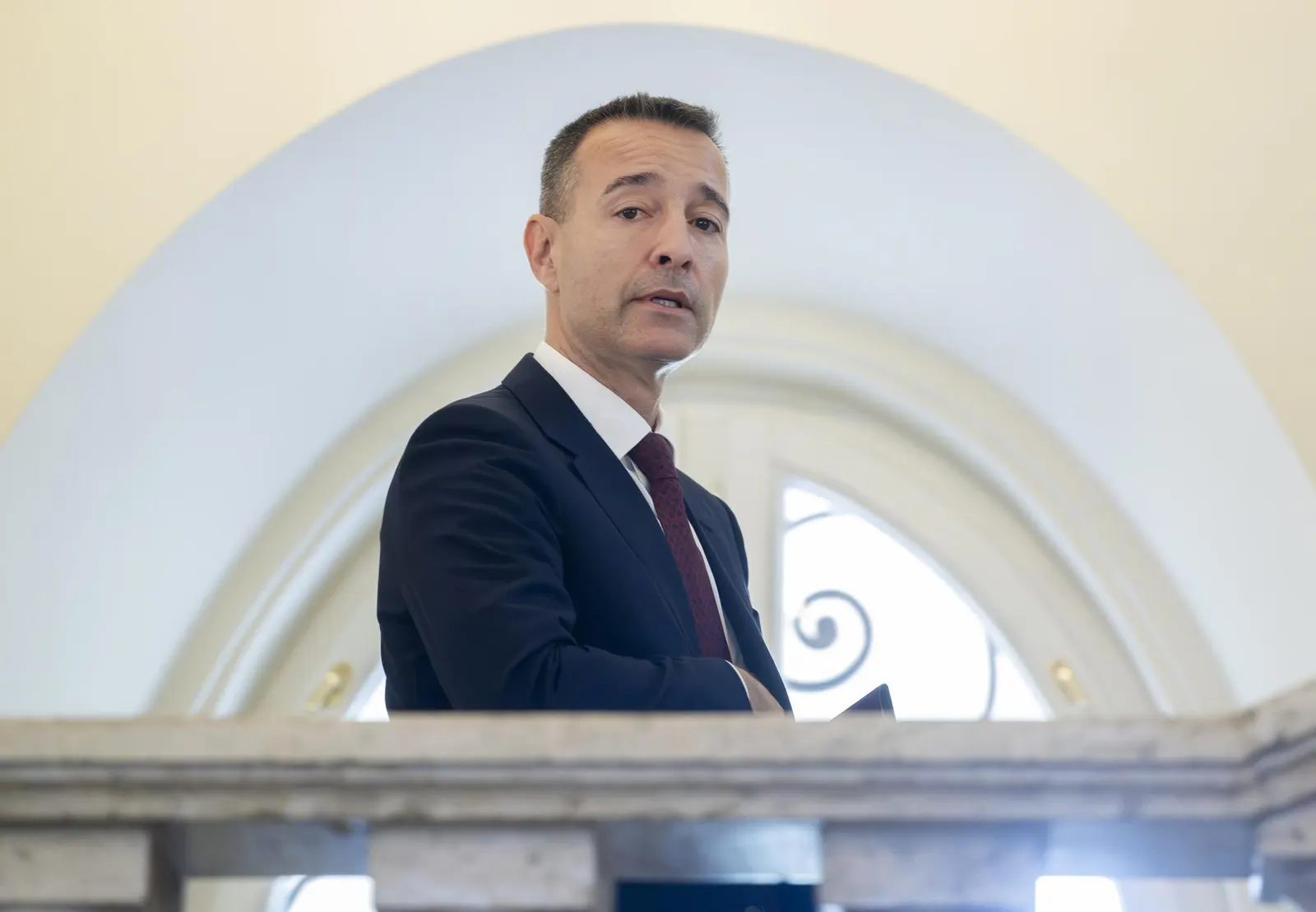
Slovakia’s government approved its draft budget for 2027 on 5 Oct, as Education Minister Tomáš Drucker said an agreement had been reached to raise pay next year for all state and public-administration employees, including teachers and non-teaching school staff. The size and structure of the increases were not specified in the available reporting.123
Pay agreement
Drucker, a member of Hlas-SD, said the agreement applied across state and public administration. His assurance about the increase, reported by Hospodárske noviny, is the only account in the dossier confirming the pay deal. He also said education would receive more funding in 2027 and argued that Slovakia had scope to raise education-sector salaries when compared with other European Union countries.3
The available information does not give the percentage or cash value of the planned increases, nor does it set out how they will be distributed among teachers, non-teaching employees and other public-sector workers. Drucker described the draft budget as responsible and said education had been among the government’s funding priorities in recent years.3
Deficit and fiscal rules
The public-administration budget projects revenue of €63.343 billion and expenditure of €70.786 billion, according to STVR and TASR. That leaves a planned deficit of €7.443 billion, or 4.94% of gross domestic product. TASR reported that this is above the original 4.1% deficit target for the current year and the latest expectation of 4.37%.12
Finance Minister Ladislav Kamenický defended the 4.94% target as compliant with fiscal rules and acceptable to the European Commission and financial markets. He said the deficit would currently exceed 7% of GDP without consolidation and could have reached 8% if all coalition partners’ demands had been accepted. Those counterfactual estimates are his claims.12
The government says it is meeting a commitment to reduce the public-finance deficit by 0.5% of GDP each year, while acknowledging that current conditions do not allow the deficit to fall to 3%. Kamenický also said the government could rely on an exception to a balanced-budget sanction linked to high debt under the Constitutional Act on Budget Responsibility.12
Energy costs and political criticism
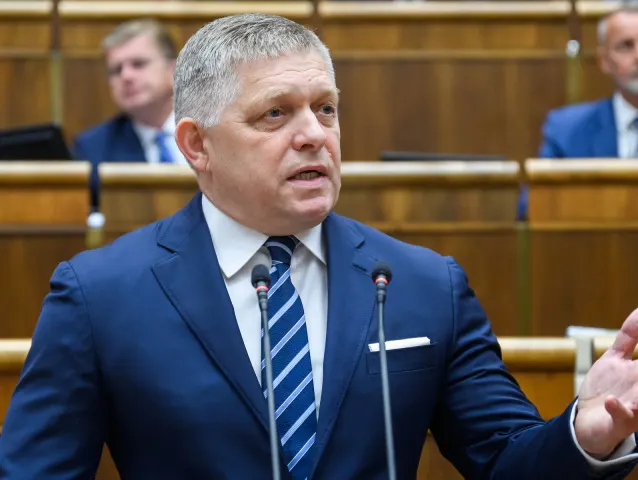
Prime Minister Robert Fico said the government-approved plan would not introduce further increases in taxes or social contributions. The budget sets aside €250 million for energy assistance, according to STVR, and the government says the measure will prevent household gas, heating and electricity prices from increasing in 2027. It intends to seek additional funding if the allocation proves insufficient.1
Opposition parties challenged the plan. KDH said it did not promote economic growth and failed to abolish the transaction tax, while its deputy chairman, Viliam Karas, criticised the budget process. Opposition MP Veronika Remišová argued that the deficit was being allowed to rise again towards 5% of GDP. The government has a parliamentary majority of 76 MPs, and Fico said it would also seek support from other lawmakers willing to cooperate.1
Why it matters
The plan connects public-sector wages and household energy costs with Slovakia’s effort to manage a deficit projected at 4.94% of GDP. It also places the government’s fiscal choices under European scrutiny because ministers say the target complies with European Commission rules, while Drucker compares education pay with levels elsewhere in the EU.123
Related stories
Version history
- version 1 ·