Slovak politicians divide over NATO’s role and government security policy
Defence Minister Robert Kaliňák presented government diplomacy as Slovakia’s principal safeguard, while SaS MP Juraj Krúpa said security rests on NATO allies and Article 5.
Kaliňák says government diplomacy is Slovakia’s chief safeguard; Krúpa says only NATO provides that guarantee. Their dispute also covers defence spending, the 2027 budget and coalition stability.
- Kaliňák emphasised balanced relations and avoiding enemies.
- Krúpa identified NATO allies and Article 5 as decisive.
- Defence spending is projected at 2.04–2.06% of GDP.
- The proposed 2027 deficit is 4.94% of GDP.
- Krúpa still considers early elections possible.
What's new
- Kaliňák put Slovakia’s projected defence spending at 2.04–2.06% of GDP.
- Krúpa said NATO allies and Article 5 are Slovakia’s only security guarantee.
- The proposed 2027 budget carries a deficit of 4.94% of GDP.
- Krúpa continues to regard early parliamentary elections as possible.
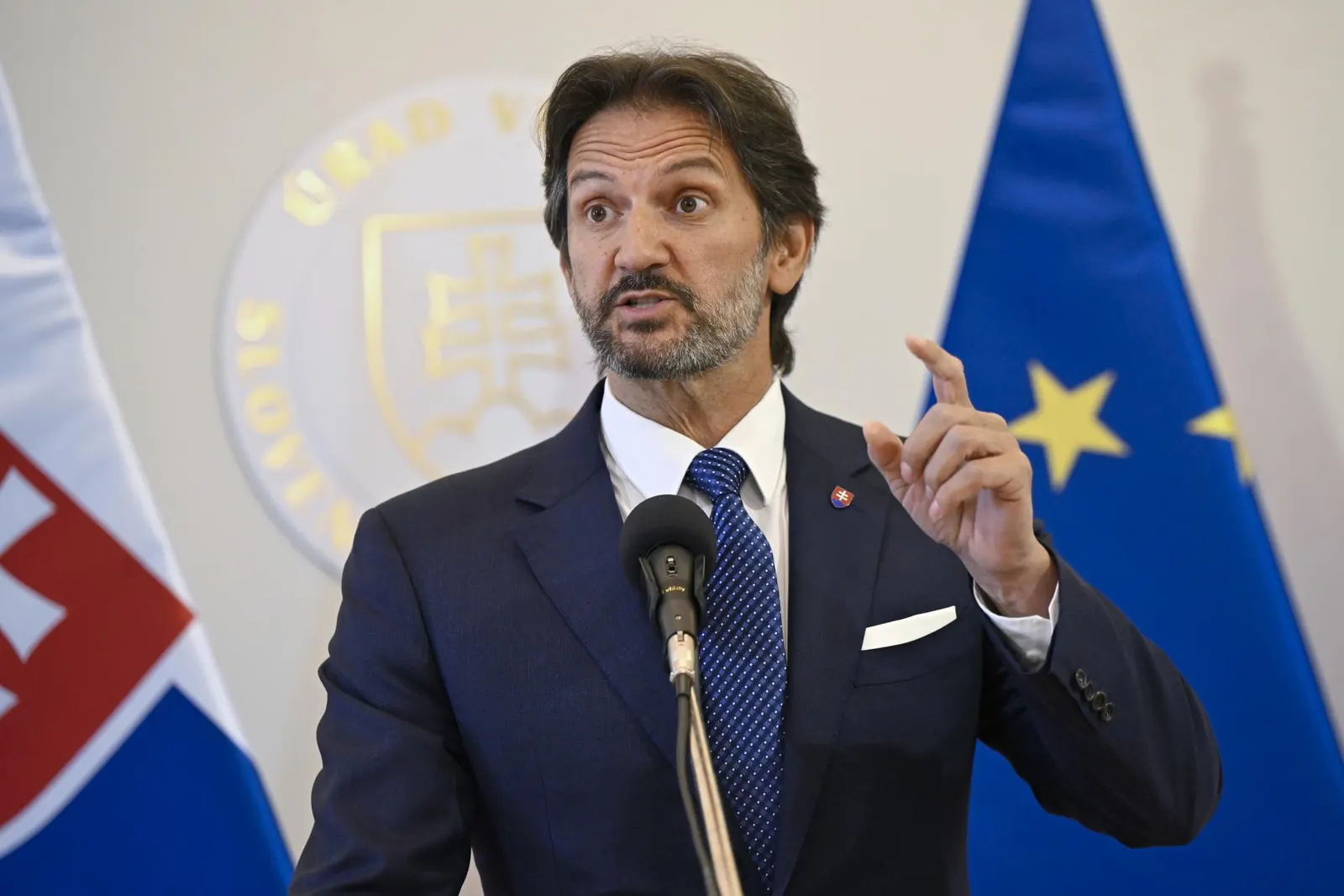
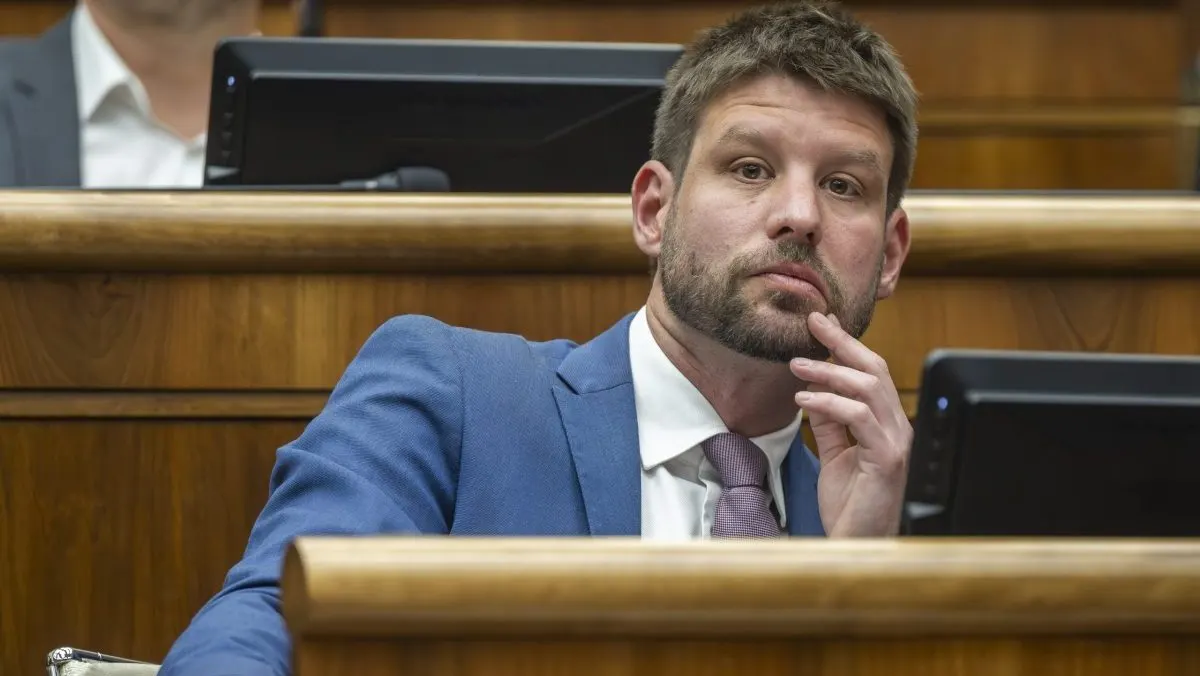
Slovak Defence Minister Robert Kaliňák and opposition MP Juraj Krúpa set out competing views of Slovakia’s security on 4 October during the STVR programme O 5 minút 12, with Kaliňák emphasising government policy and Krúpa identifying NATO’s collective-defence system as the country’s only guarantee.123
Government policy or collective defence
Kaliňák, a member of Smer-SD, argued that Slovakia is best protected by a government that maintains balanced relations and does not create enemies. He said this approach brings stability and peace. Krúpa, an SaS MP and member of parliament’s defence and security committee, countered that Slovakia’s protection comes from its NATO allies and the alliance’s Article 5.12
Article 5 provides that an armed attack on one NATO member is treated as an attack on all. Krúpa said Slovakia is too small to pursue neutrality and accused Prime Minister Robert Fico of casting doubt on the collective-defence provision. His criticism also encompassed discussion of leaving the European Union and statements about whether Slovak troops would be sent when Article 5 applied.12
Denník N separately reported that Kaliňák accepted that NATO allies would help Slovakia if it came under attack. According to the outlet, he also referred to Article 2 of the North Atlantic Treaty, concerning peaceful and friendly relations among the parties, and called Russian violations of EU and NATO airspace a clear provocation. These details were not corroborated by the other dossier sources.4
Defence expenditure
Kaliňák estimated that Slovak defence expenditure would reach about 2.04% to 2.06% of gross domestic product. He said the country’s contribution towards its NATO commitment was rising by hundredths or tenths of a percentage point, while linking any further increase to the government’s fiscal consolidation efforts.123
Krúpa said the opposition supports increasing defence expenditure. He added that the speed of the increase should reflect the economy’s performance, placing the dispute partly over timing and fiscal capacity rather than whether defence should receive more funding.3
Budget and coalition pressures
The exchange extended to the proposed state budget for 2027, which sets a deficit of 4.94% of GDP. Kaliňák said the government would present public finances in better condition than those it inherited, while also saying that support for the budget could not be expected from the opposition.12
Krúpa disputed the government’s fiscal account, saying the budget would reproduce the same level of debt with which the governing parties began three years earlier. The two politicians also discussed coalition relations and the broader political situation, and Krúpa continued to leave open the possibility of an early parliamentary election.12
Kaliňák described Smer-SD as a stabilising force within the government and said the prime minister remained fully in control. He also rejected the view that the coalition’s support was limited to 76 MPs. Krúpa offered the opposite assessment, saying Fico no longer controlled the political leverage and would face pressure from MPs seeking concessions.12
Why it matters
The dispute concerns how a NATO country describes the balance between national diplomacy and the alliance’s collective-defence commitment. It also connects that argument to defence expenditure, fiscal consolidation and the stability of Slovakia’s governing coalition.123
Related stories
Version history
- version 1 ·