Slovakia Approves First New Civil Code Since 1964
Slovak lawmakers passed a comprehensive overhaul of civil law, replacing the socialist-era code and reshaping rules on contracts, property and inheritance.
Slovakia's parliament passed a new Civil Code replacing the 1964 version, with wide-ranging changes to contracts, property and inheritance, effective July 1, 2027.
- New Civil Code approved October 1, 2026, replacing 1964 code
- Seven-part code unifies civil/commercial contracts, sets 3-year limitation period
- Two KDH amendments accepted; 'electronic person' proposal rejected
- Inheritance rules significantly changed, affecting family businesses
- Code takes effect July 1, 2027
What's new
- Parliament approved the new Civil Code on October 1, 2026, replacing the 1964 code
- Two amendments from opposition party KDH were accepted; a third, on 'electronic person' status, was rejected
- The code introduces a unified three-year statute of limitations and merges civil and commercial contract rules
- The reform takes effect on July 1, 2027
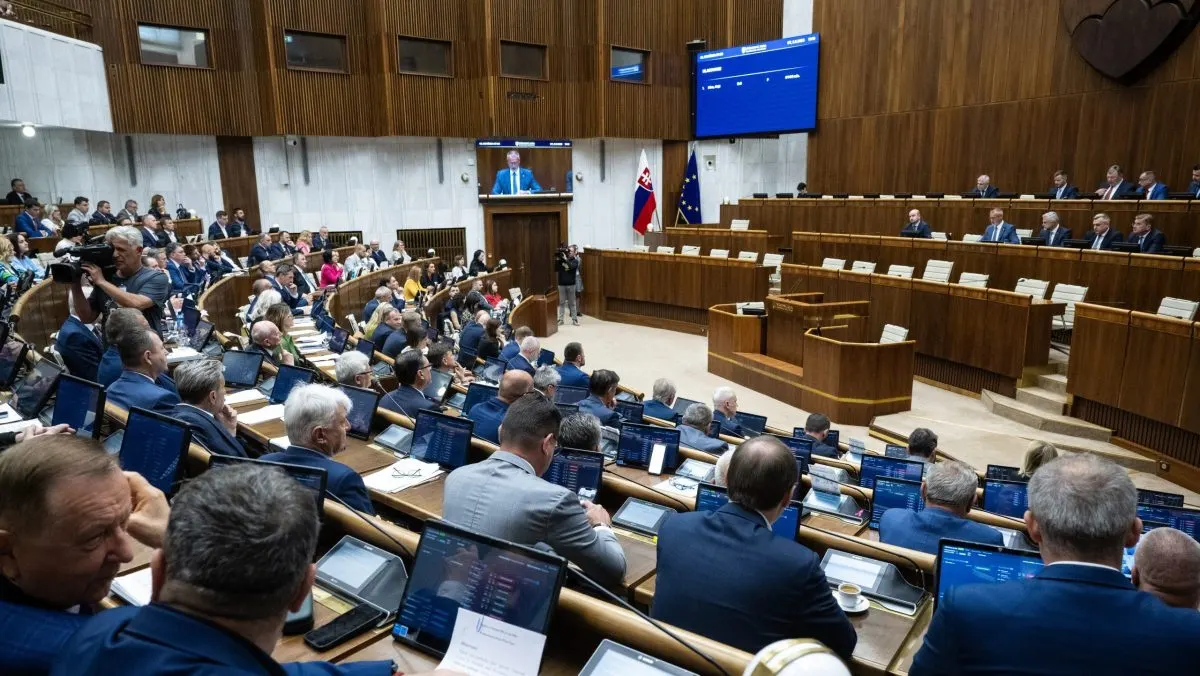
Slovakia's parliament, the Národná rada SR, approved a new Civil Code on October 1, 2026, replacing legislation dating to 1964 and introducing sweeping changes to contract, property and inheritance law that will take effect on July 1, 2027.13
A code built for another era
The justice ministry, which authored the reform, said the previous code no longer matched the realities of modern life. According to the ministry, "Dosiaľ platný Občiansky zákonník bol prijatý v roku 1964, a to s obsahom poplatným dobe svojho vzniku," adding that "V dnešnej dobe, ktorá je charakterizovaná zložitosťou spoločenských a ekonomických vzťahov, však už takýto predpis nestačí."1
The outgoing code was structured around typical situations of socialist-era life, according to one outlet, and, per another source, originated from that period with limited scope for individual decision-making.13
Seven parts, new terminology
The new code is organised into seven parts. Its first part simplifies representation rules and sets a unified three-year general statute of limitations. The second part introduces, for the first time outside commercial companies, basic regulation of legal persons. A fourth part on contract law unifies civil and commercial regulation for certain contract types, removing what the ministry called duplication: "Odstraňuje sa dualizmus niektorých zmluvných typov ako kúpna zmluva či zmluva o diele." A fifth part addresses property rights, and the seventh covers common, transitional, final and repealing provisions, described by the ministry as typically devoted to "úprave spoločných, prechodných, záverečných a zrušovacích ustanovení."13
The legislation also replaces the former term 'undivided co-ownership of spouses' with a new concept, 'spoločné imanie manželov' (common marital property). The ministry said the new term more precisely captures its content and substance than the original wording, stating it "Exaktnejšie vystihuje jeho obsah a podstatu než pôvodné bezpodielové spoluvlastníctvo manželov."1
Inheritance and family firms
According to Hospodárske noviny, inheritance law is among the areas facing the most significant changes in decades, with new rules expected to affect family businesses that hold real estate, company shares and investments. The outlet reported that differences between the outgoing rules and the new code will significantly affect what individuals can decide in inheritance proceedings, and framed one of the central questions as "How to secure against disinheriting lazy descendants without depriving serious heirs."2
The new code introduces inheritance contracts as an additional legal instrument, alongside existing tools such as wills and gift contracts, according to one outlet. Hospodárske noviny described the overall reform as the most comprehensive piece of legal regulation in Slovakia's history, a characterisation not corroborated by the other sources.32
Opposition amendments
During the parliamentary process, lawmakers accepted two amendments proposed by the opposition Christian Democratic Movement (KDH), introducing the legal institutes of a subordinate pledge right (podzáložné právo) and a private fund (súkromný fond). A separate KDH amendment seeking to create a legal category of 'electronic person' (elektronická osoba) was rejected by parliament.13
Why it matters
The reform replaces legal foundations in place for six decades, altering how contracts, property and inheritance are handled across Slovakia. Family businesses and individuals planning inheritance face a new legal framework once the code takes effect in mid-2027.2
Related stories

same place


Version history
- version 1 ·