Business · South Korea, Russian Federation, Ukraine
Fuel shipments from South Korea to Russia raise sanctions concerns
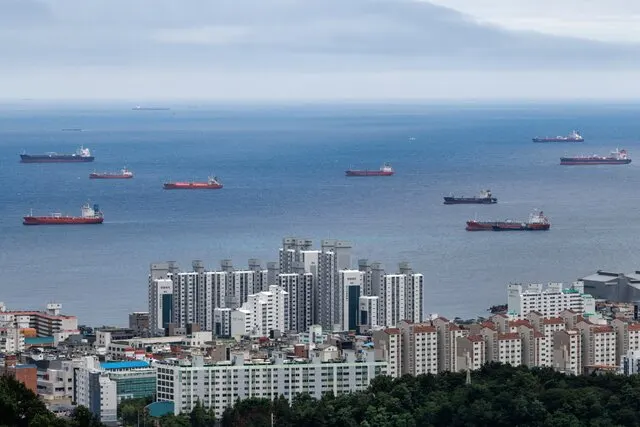
Reports say seven vessels transported mainly diesel between South Korean harbours and Russia’s Far Eastern region in July and August 2026. Three of the vessels were under British and EU sanctions.
Fuel loaded at South Korean ports was transported to Russia on seven tankers, including three reportedly sanctioned by the UK and EU. The trade appears lawful in South Korea but has raised concerns about sanctions enforcement.
- Seven tankers reportedly completed 14 voyages to Russia’s Far East.
- Cargoes totalled more than 176,000 tonnes, mostly diesel.
- Three vessels were reportedly under British and EU sanctions.
- The transaction appears to be permitted under South Korean law.
- The fuel’s owner and seller remain unidentified.
What's new
- According to the reports, tankers made 14 trips linking South Korea with Russia’s Far East.
- More than 176,000 tonnes of fuel were reportedly carried, mostly diesel.
- Three vessels were reportedly subject to British and EU sanctions.
- Reports said one vessel took on fuel from another ship in waters under South Korean jurisdiction.
Reports published in early October said seven tankers made 14 fuel runs between South Korea and Russia’s Far Eastern region during July and August 2026. An analysis by the Guardian put the cargo at more than 176,000 tonnes, mostly diesel, and said three of the vessels were under British and European Union sanctions.123
Cargoes bound for Russia
The Guardian said its analysis of the trade found that the seven tankers loaded more than 176,000 tonnes at South Korean ports. The identity of the fuel’s owner and seller remains unclear. Rosneft, the state-controlled Russian oil company, and Russian oil group NNK were named as reported purchasers. The UK, US, EU and Australia have sanctioned Rosneft.1
The Layla reportedly transported 57,000 tonnes of diesel from Ulsan to Vladivostok over two voyages. Another vessel, the Chongchon, received about 26,000 tonnes from the Celeste I in waters off Yeosu before heading towards Vladivostok, according to reports. Meduza also reported that at least two sanctioned tankers declared Japan as their destination but subsequently sailed to Vladivostok.125
The shipments do not appear to violate South Korean law. The Kyiv Independent reported that Seoul’s existing export controls against Russia are concentrated on electronics, machinery and vehicles. South Korea has expanded those controls to 1,402 non-strategic products considered to have a high risk of diversion for military purposes.135
Pressure on Russian fuel supplies
Citing International Energy Agency figures, the Guardian said Russia’s refinery processing in June was at its lowest point in over two decades, while diesel output was almost 30% lower than a year earlier. Ukraine’s military intelligence agency said Moscow had been compelled to import fuel products to meet its needs.1
The Guardian reported that Russia brought in 368,000 tonnes of petroleum products by ship in August–over seven times July’s amount and the largest monthly volume since the full-scale invasion began. South Korea accounted for 31% of those imports. Meduza put the South Korean contribution at 112,000 tonnes and said the country had become Russia’s second-largest petroleum-product supplier by the end of the summer.12
Seoul’s position
South Korea says it supports international efforts to end the war in Ukraine and has supplied Kyiv with humanitarian assistance and non-lethal military equipment. The Kyiv Independent reported that bilateral aid had reached €630 million, or $706 million, by February 2026. South Korea has excluded the possibility of directly supplying Ukraine with weapons.123
The shipments nevertheless risk presenting Seoul as a weak point in Western economic pressure on Russia. Isaac Levi, of the Centre for Research on Energy and Clean Air, condemned the use of sanctioned ships. The UK Foreign Office said Britain was still committed to overseeing its sanctions and stepping up economic pressure on Russia.125
A strained relationship with Kyiv
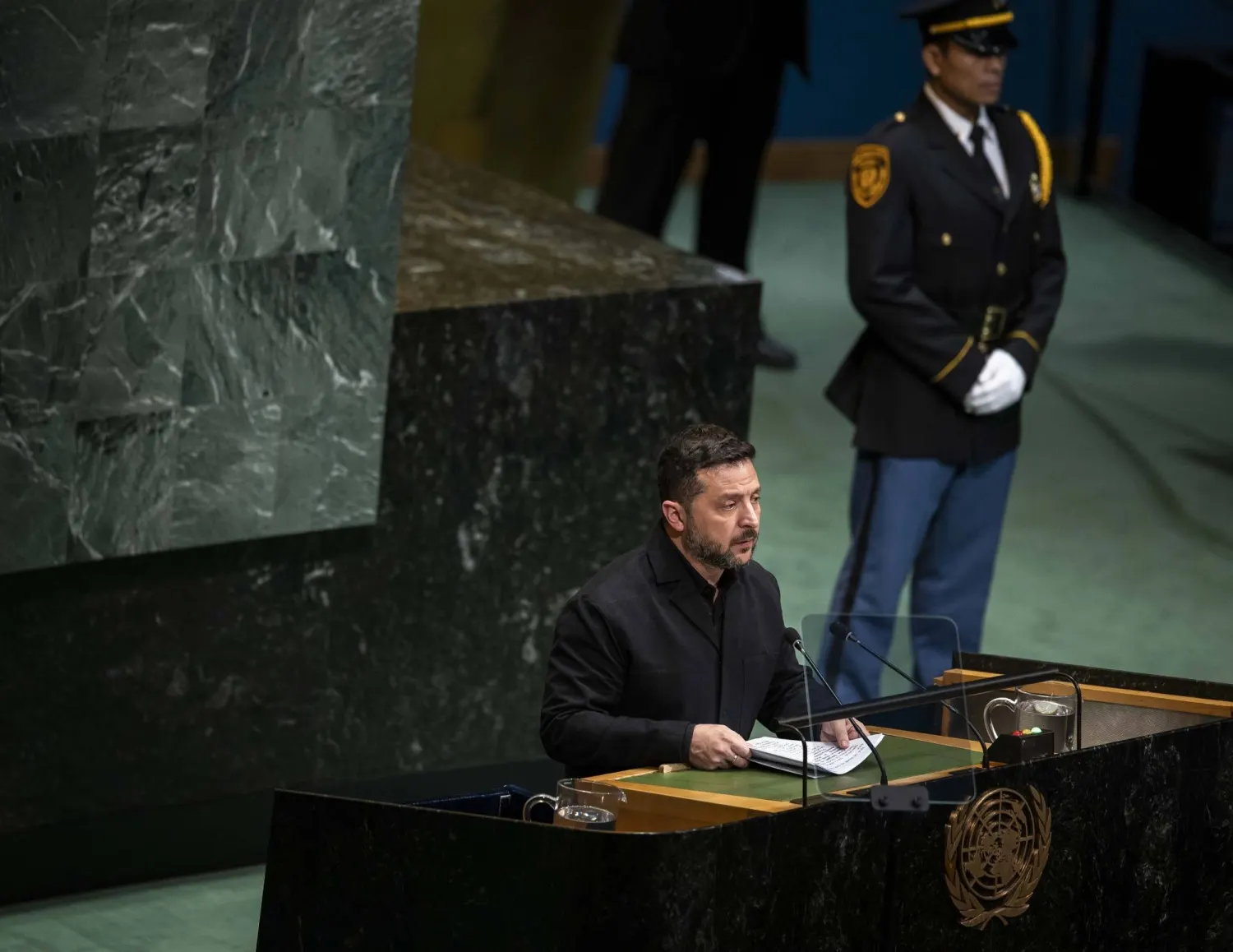
The reports emerged amid a separate disagreement between Seoul and Kyiv over Ukraine’s disclosure that two captured North Korean soldiers had been transferred to South Korea. South Korean officials said the transfer was meant to remain secret to safeguard the soldiers and their families, but Ukraine disputed that any such arrangement had been made. South Korean President Lee Jae Myung warned of additional measures if Ukraine did not accept responsibility for worsening relations. Ukrainian Foreign Minister Andrii Sybiha described the episode as a diplomatic misunderstanding and said he hoped it would be resolved soon.234
Why it matters
The reported use of vessels sanctioned by the EU and UK tests the reach of European measures intended to increase economic pressure on Russia. The trade also risks making South Korea appear to be a weak point in that effort despite Seoul’s support for Ukraine and its expanded export controls.123
Videos
Related stories
background
Version history
- version 1 ·