Science & Tech · United States of America
SpaceX Launches Google AI Chips Into Orbit to Test Space Data Centers
A Falcon 9 rideshare mission carried the first Project Suncatcher satellite, Google's prototype for running tensor processing units in orbit, alongside more than 100 other payloads.
SpaceX launched Google's first Project Suncatcher satellite, testing AI chips in orbit as a step toward possible space-based data centers.
- Falcon 9 launched Google's TPU-carrying satellite on Oct 1 from Vandenberg
- Transporter-18 mission carried 130 payloads total
- Google envisions 81-satellite laser-linked network for orbital AI compute
- Google's exec says space data centers remain a long-term, uncertain moonshot
- SpaceX aims to deploy orbital AI compute satellites by 2028
What's new
- SpaceX Falcon 9 launched Google's Suncatcher M1 prototype carrying four TPU chips on the Transporter-18 rideshare mission
- The satellite deployed among 130 payloads from Vandenberg Space Force Base in California
- Google published a peer-reviewed white paper on orbital data centers, due in the journal Joule
- Two further experimental satellites are planned for 2027 to test laser communication between orbital compute nodes
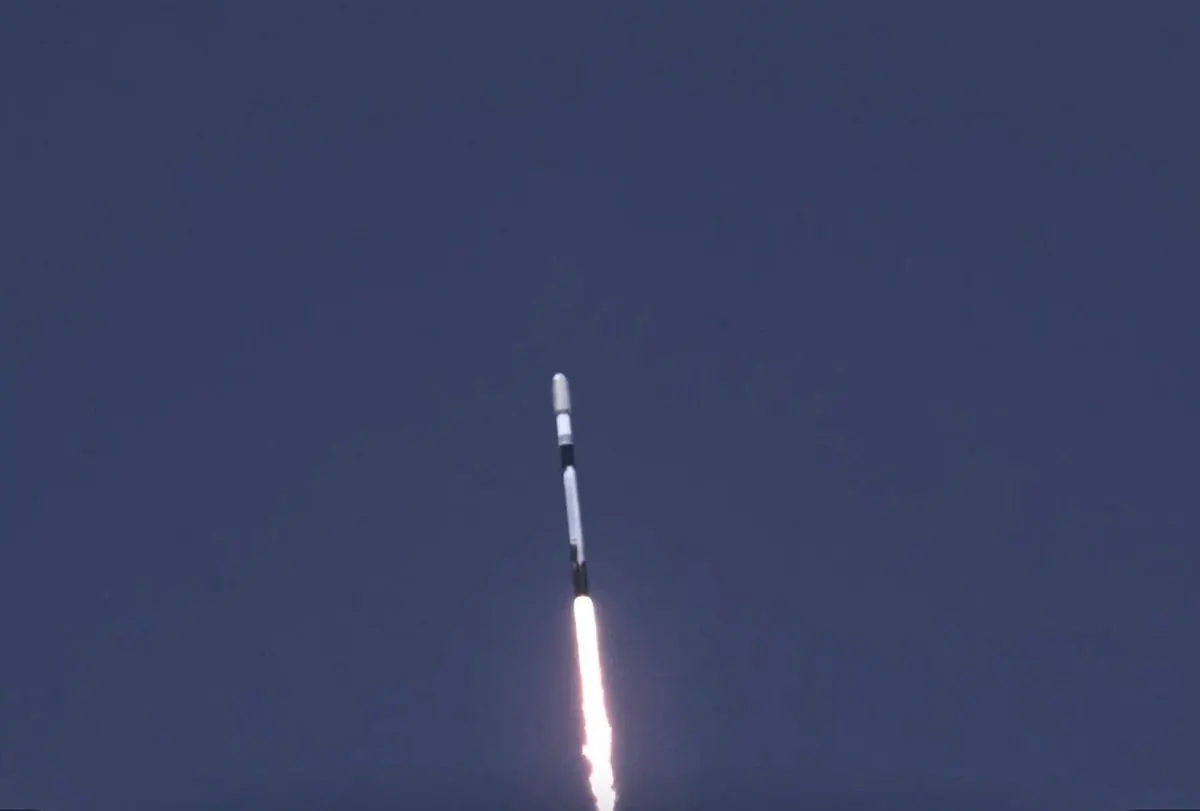
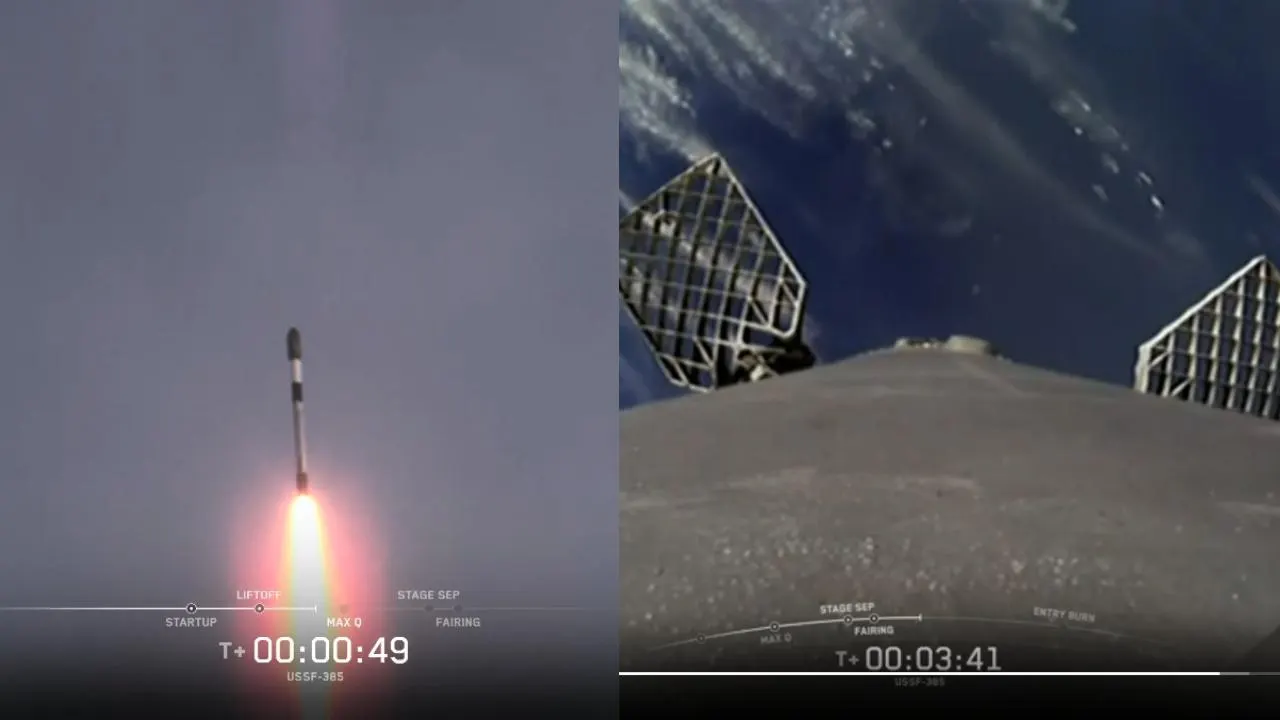
A SpaceX Falcon 9 rocket lifted off from Vandenberg Space Force Base in California on October 1, carrying the first prototype satellite for Google's Project Suncatcher, an effort to test whether the company's AI chips can operate in orbit as a step toward space-based data centers.124
A test flight for orbital computing
The satellite rode to orbit as part of the Transporter-18 rideshare mission, which carried 130 payloads in total, including cubesats, microsats, hosted payloads and spacecraft fitted with reentry vehicles. The Falcon 9 first stage completed its 25th flight and returned to land at Vandenberg about 7.5 minutes after liftoff, touching down at Landing Zone 4.56
The upper stage deployed its payloads over roughly an 11-minute stretch beginning about 54.5 minutes after launch. Google's craft, referred to as the Suncatcher M1 prototype, was scheduled to separate at T+1:01:25 and was described as the mission's highest-profile payload; satellite imagery partner Planet will operate it, with the goal of keeping it running for about a year.157
Chips under test
The prototype carries four specialty tensor processing units, chips Google designed for machine learning and already uses in terrestrial data centers. Because of heat-management limits in space, the chips will run Google's Gemma AI model in bursts of 15 minutes. Google said the mission is meant to measure how the TPUs withstand the physical stress of launch along with the radiation and thermal extremes of space.1
Prior to launch, Google assessed the chips' durability by exposing them to simulated radiation sources, including particles originating from the sun and from deep space, at a particle accelerator facility located at UC Davis. The company said the results indicated the chips "could handle more ionizing radiation than what they could be expected to encounter over five years in space."4
Travis Beals, who leads Project Suncatcher at Google, said ground testing has limits: "We've done testing on the ground, but there's no test that's completely as good as the real thing." He also noted that while the TPU error rate is low enough for routine inference work, at roughly one in a million, "it was already problematic for doing, say, some mega-scale training run," and stressed that bandwidth and latency between TPUs matter for multi-rack workloads.2
A vision of orbital data centers
Google envisions eventually linking 81 satellites in close formation, each carrying dozens of TPU chips communicating by laser, to form a network capable of handling larger AI workloads. The company plans to launch two purpose-built satellites in 2027 to test laser communication links between them, and has released a peer-reviewed white paper on the concept, expected to appear in the journal Joule.24
Orbit's chief advantage is energy: satellites positioned close to Earth receive sunlight almost without interruption, enabling them to produce as much as eight times the solar energy attainable on the ground. Google said demand for its AI services already exceeds supply, and Google CEO Sundar Pichai told a developer summit in May that the company expects capital expenditures of $180 billion to $190 billion this year, more than six times the level in 2022. Opposition to power-hungry data centers on Earth is also growing, according to Google.136
SpaceX has its own stake in the idea. Elon Musk has argued that moving operations into orbit is the sole path to expanding computing capacity enough to meet future AI needs, and SpaceX anticipates launching its first orbital AI computing satellites by 2028 as part of a planned network called Starmind. Alphabet's stake in SpaceX is reportedly valued at over $82 billion, according to CNBC.137
Costs and open questions
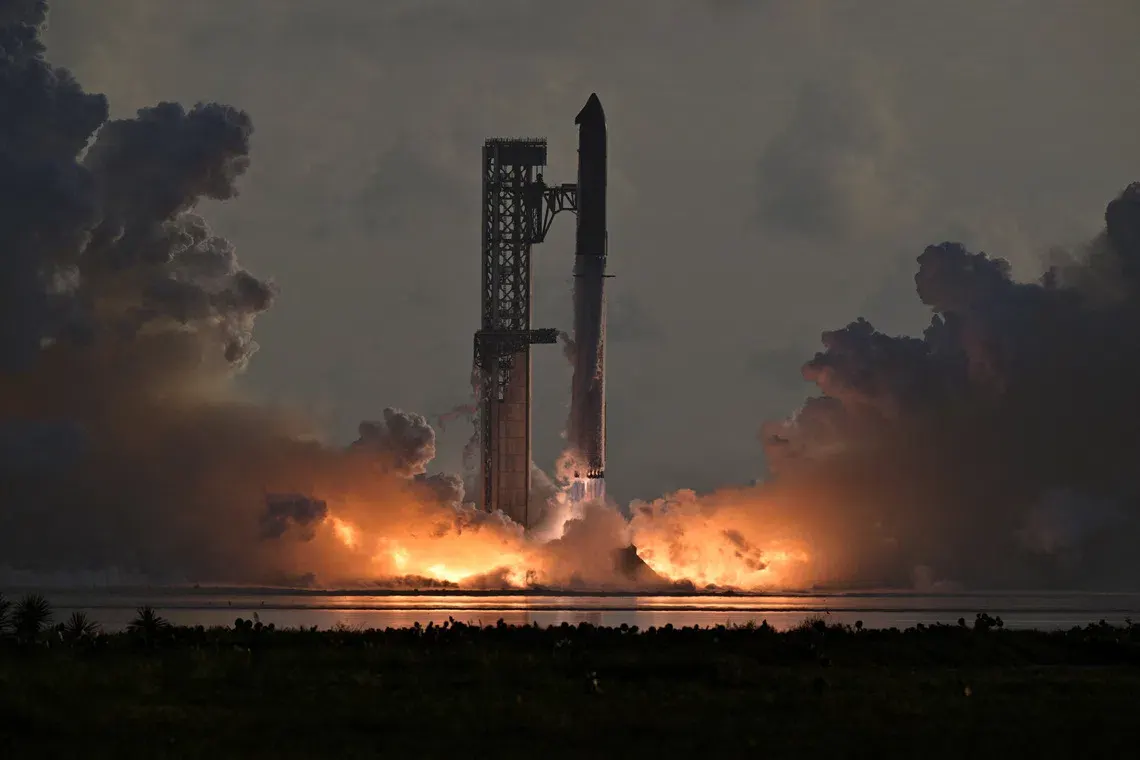
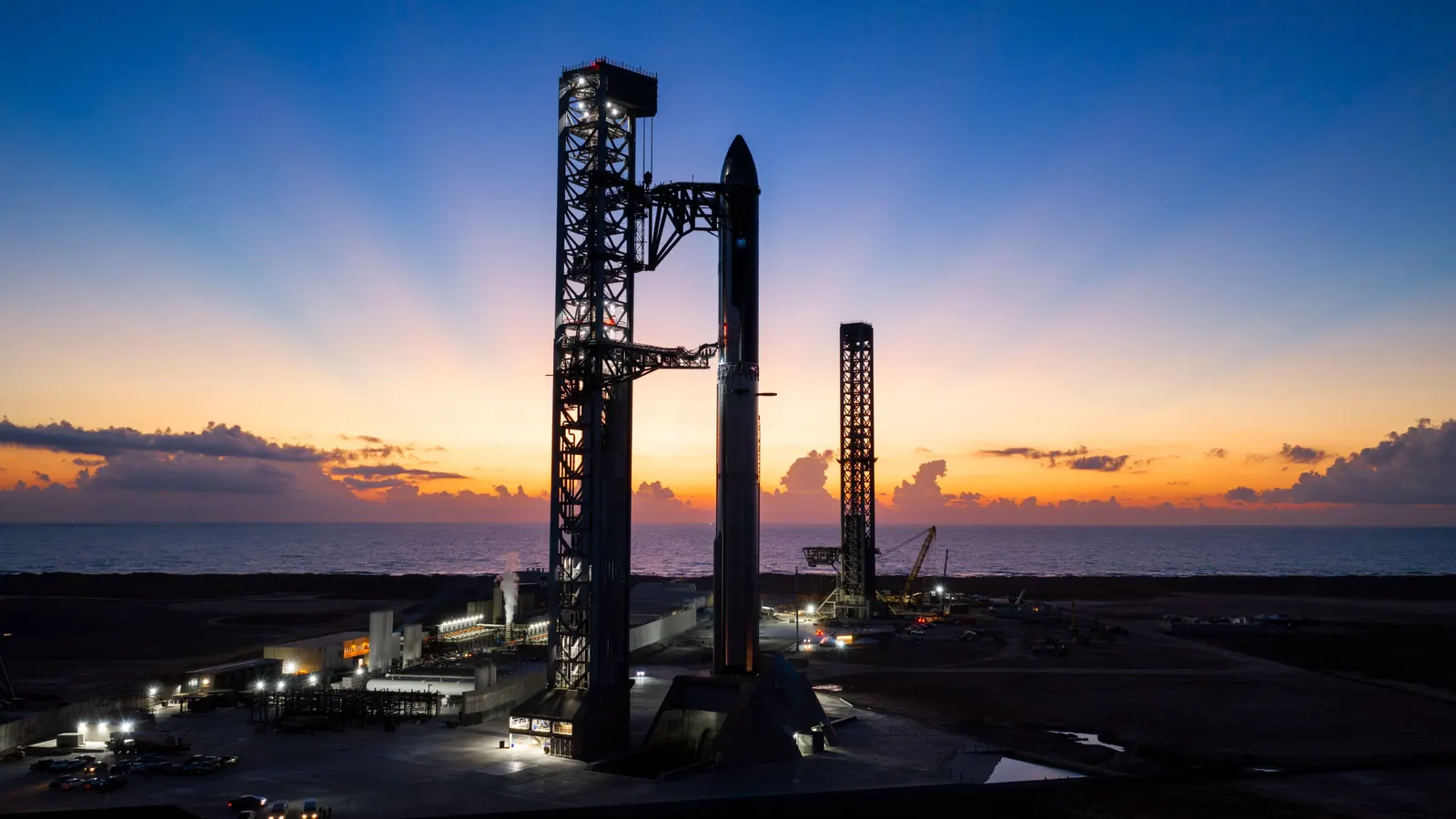
TechCrunch's analysis, based on figures Google itself supplied, points to an enormous required launch volume: SpaceX would have to deliver 370,000 tons of cargo to orbit to meet its cost goals, with each Starship mission carrying around 200 metric tons and flights occurring roughly 180 times a year for a decade—amounting to somewhere between 1,600 and 1,800 total launches. SpaceX has cut launch costs by about 20 percent annually since its Falcon 1 era and forecasts prices dropping to $200 per kilogram by 2035, yet Starship's flight count has not exceeded five in any given year so far; Musk has predicted the vehicle could eventually fly as often as once per hour by 2029.2
According to Beals, space-based data centers will not become cheaper to run for at least five years, nor will they replace ground-based facilities anytime soon; he described the effort as "a moonshot" and added, "It's going to take a long time. It's not going to be a completely straightforward journey." One significant obstacle is getting rid of heat, since chips operating in a vacuum cannot rely on air or water for cooling; radiators already rank among the heaviest parts of the current mission. Launches remain costly, repairs in orbit are difficult, and laser links across hundreds of miles add latency, meaning constellations of many satellites would be needed to match the capacity of a single terrestrial data center.1
CNBC noted other unresolved issues, including the need for cooling systems and radiation-hardened chips, the possibility that orbital debris could limit feasibility, and the constrained, costly state of current rocket launch capacity; it described space-based data centers as a far-out prospect even if they prove workable. The mission follows a November demonstration by startup Starcloud, which launched a spacecraft carrying an Nvidia H100 chip to run Google's Gemini AI model from space.31
Other payloads on the ride
Among the mission's other payloads was an experiment from Cowboy Space Company testing wireless energy transmission, using what the firm called an intense laser to beam power from orbit down to a ground-based receiver, with the company stating, "if you want to build data centers in space, you have to master the optical systems between orbit and Earth." Starfish Space also launched its Otter satellite-servicing spacecraft, calling the flight "a big moment" after years spent developing the underlying technology. SpaceX has now deployed more than 1,800 payloads through its Rideshare program; the record for a single mission remains 143, set by Transporter-1 in January 2021.56
Why it matters
The scale of rocket launches, investment and infrastructure Google and SpaceX say would be required also signals how capital-intensive the AI race is becoming.12
Videos
Related stories
same actors
Version history
- version 1 ·