World · Spain, France
Spain’s king urges EU solidarity after Ceuta mass crossing
Felipe VI said countries on the European Union’s external borders should not carry migration pressures alone. His intervention comes before a royal visit to Ceuta and Melilla and amid conflicting accounts of the July crossing.
Felipe VI says the EU should share responsibility for the Ceuta border crisis. The appeal comes amid disputed crossing figures, disagreement with Morocco and pressure for faster returns.
- Crossing estimates range from 72,000 to at least 80,000.
- Felipe called for greater EU solidarity and resources.
- Spain and Morocco disagree about border controls and returns.
- Madrid is considering changes to asylum rules.
- The royal couple plans an Oct 13 enclave visit.
What's new
- Feijóo called for EU action over Ceuta on Oct 2.
- Felipe and Queen Letizia plan to visit the enclaves from Oct 13.
- Madrid is considering changes to asylum legislation.
- Reported estimates of the July 30 crossing range from 72,000 to at least 80,000.
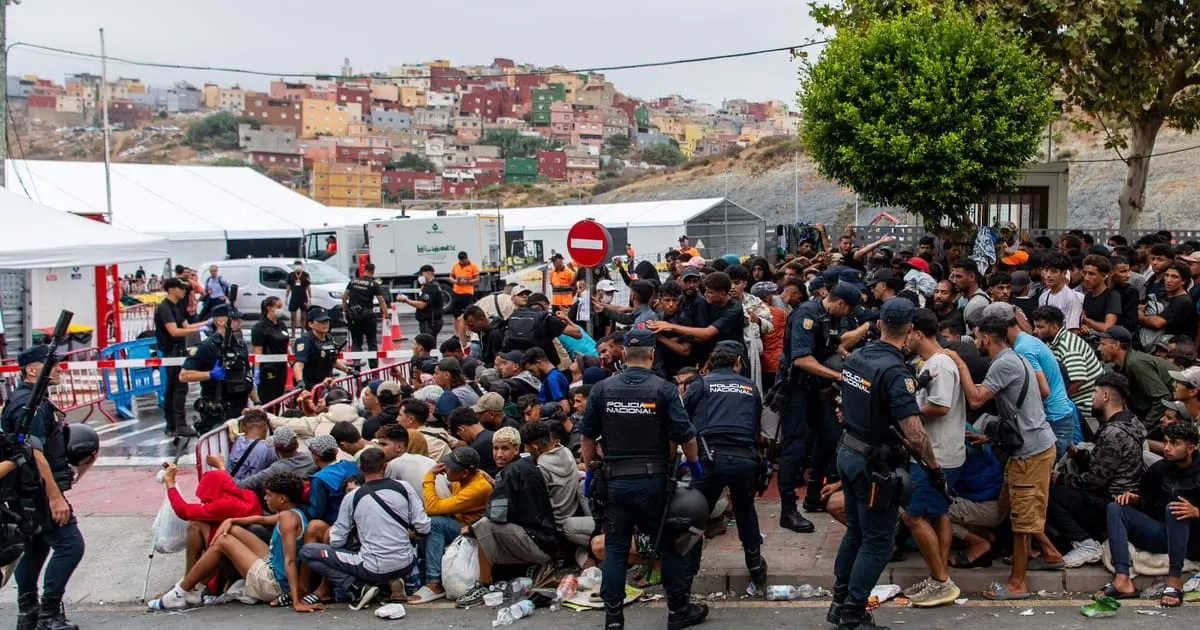
Spain’s King Felipe VI called on European countries on Sept 29 to show greater solidarity with Madrid after tens of thousands of migrants entered Ceuta from Morocco on July 30, saying responsibility for pressures on the European Union’s external borders should be shared across the bloc.13
A call for shared responsibility
Felipe described the events in Ceuta as “unacceptable” and said they had produced substantial security, public-order and humanitarian pressures. He argued that countries on the EU’s outer borders could not be expected to manage such responsibilities without greater cooperation and resources from other member states.1
Reports differ over the scale of the crossing. The Straits Times said more than 72,000 people entered Ceuta from Morocco in late July, while The Jerusalem Post reported that 72,000 crossed on July 30, most of them from Morocco. Politico Europe put the number at at least 80,000 on that date.123
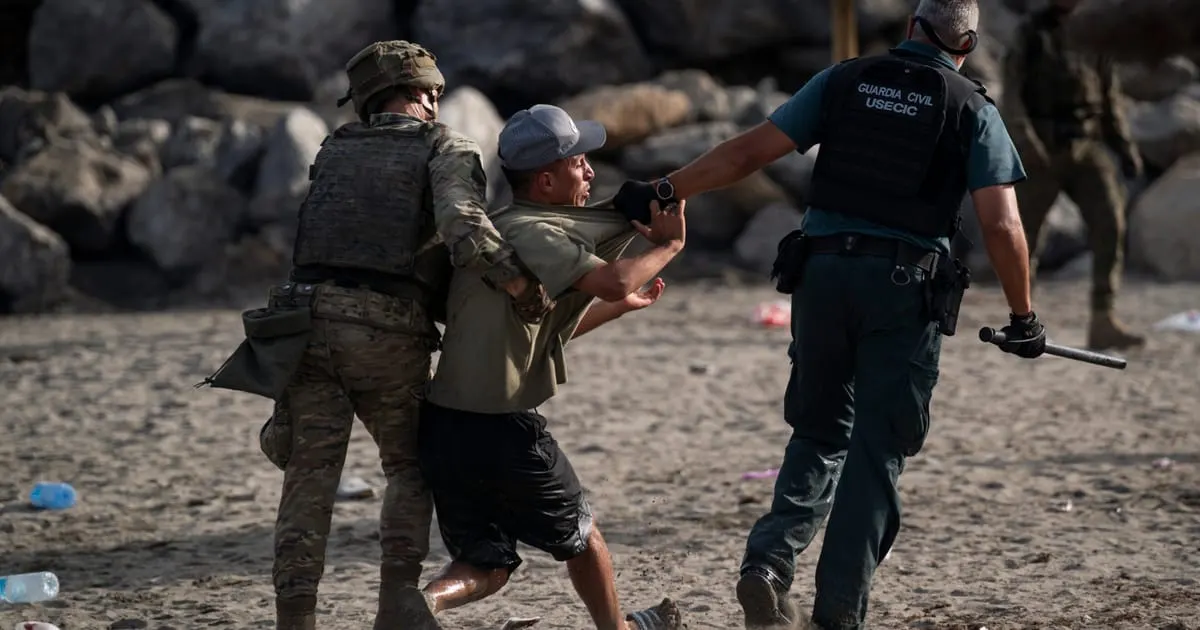
Spain returned most of those who arrived to Morocco, according to The Straits Times. The report said European Commission chief Ursula von der Leyen praised Spain for responding quickly, while Italy halted border-free Schengen travel arrangements with Spain for a month.1
Opposition presses Brussels and Madrid
Alberto Núñez Feijóo, Spain’s opposition leader and president of the People’s Party, called for further European involvement on Oct 2. He characterised the crossing as an incursion originating in Morocco rather than an ordinary migration emergency and alleged that Morocco had either permitted or encouraged it.2
Feijóo said the effects of the crossing remained unresolved 50 days later and argued that irregular entrants should be returned under principles shared by EU members through the Pact on Migration and Asylum. He also urged the EU to press Spain to use return mechanisms rigorously and to clarify conflicting accounts of Morocco’s willingness to accept those who crossed on July 30.2
Politico Europe reported that Morocco had formally repeated its willingness to take back everyone who entered that day, while Spanish ministers said such cooperation did not exist. The outlet also reported that more than 100 people died in connection with the crossing of Europe’s southern border; that figure is not corroborated by the other dossier sources.2
Dispute with Morocco
Prime Minister Pedro Sanchez said Moroccan authorities had not maintained effective control of the frontier as the mass crossing unfolded. Morocco denied that its enforcement had been lax and attributed the crossing to misleading material on social media, human traffickers and a misunderstanding of a Spanish court decision. In separate statements, Spanish opposition parties alleged that Moroccan authorities had either helped enable the crossing or failed to intervene, and said Sanchez had taken an overly conciliatory approach to Rabat.1
The dispute forms the backdrop to a planned two-day visit by Felipe and Queen Letizia to Ceuta and Melilla beginning on Oct 13. The Straits Times said Felipe has not previously travelled to the enclaves in the 12 years since he took the throne, and that the trip could heighten tensions between Madrid and Rabat.1
Morocco claims sovereignty over Ceuta and Melilla and regards them as under Spanish occupation, while Spain considers both to be integral parts of its territory. The Straits Times reported that Morocco has historically opposed visits to the enclaves by Spanish royals.1
Border and asylum proposals
Angel Victor Torres, the Spanish minister responsible for territorial policy, said officials were weighing possible changes to the country’s asylum laws. He said changing the law would be difficult because of international-law issues. Non-governmental organisations and lawyers said proposals intended to accelerate returns would breach human-rights conventions.1
At EU level, migration commissioner Magnus Brunner unveiled a border-control proposal that would expand Frontex’s mandate and establish a standing corps available for rapid deployment. The plan still requires approval from member states.1
Why it matters
The Ceuta crisis concerns the management of an EU external border, the movement of people within the Schengen area and relations with Morocco. It has also exposed disagreements over migrant returns, responsibility among member states and whether Spain’s response is sufficient to prevent the situation from persisting or recurring.12
Videos
Related stories
Version history
- version 1 ·