Health · United States of America
Trump Cancels Nearly $1 Billion in Approved Federal Spending
The White House used a rare and contested budget maneuver to cancel money Congress had already approved, drawing sharp criticism from lawmakers in both parties.
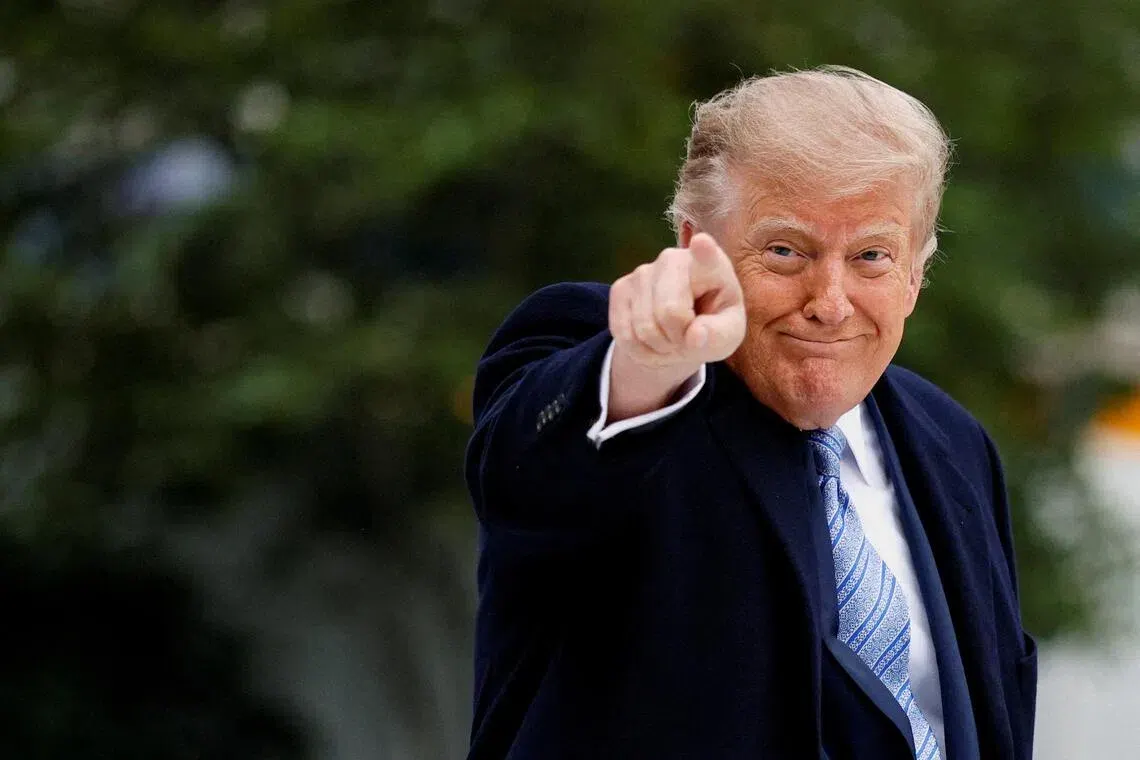
According to Friday's White House announcement, President Trump is withdrawing nearly $1 billion in previously approved congressional funding through a seldom-used maneuver known as a pocket rescission. The cuts target immigrant services, diversity-focused initiatives, housing counseling, and Health and Human Services grants the administration called ideological. Officials said the money was no longer needed because illegal border crossings had fallen.
Senators Susan Collins and Patty Murray condemned the action as illegal and a threat to Congress's constitutional control over spending. The move follows a similar $4.9 billion foreign-aid rescission a year earlier that the Supreme Court declined to block. Lawmakers are typically given 45 days to review such rescissions, but Trump unveiled this batch just five days before the fiscal year's close, while the House was out of session—leaving little room for congressional pushback.
Trump canceled nearly $1 billion in Congress-approved spending using a contested pocket rescission, prompting bipartisan criticism.
- White House canceled almost $1 billion in approved federal spending
- Targets include immigrant services, diversity programs and HHS grants
- Announced with only five days left in fiscal year, House out of session
- Sens. Collins and Murray call the move illegal
- Follows a similar $4.9 billion foreign-aid rescission a year earlier
What's new
- White House announced cancellation of nearly $1 billion in congressionally approved funds on Friday
- Cuts target immigrant services, diversity programs, HHS grants and minority business development
- Sen. Susan Collins and Sen. Patty Murray condemned the move as illegal and a threat to Congress's spending power
- Action follows a similar $4.9 billion foreign-aid rescission a year earlier that the Supreme Court declined to block
According to two separate reports on the announcement, the White House said Friday that President Trump is pulling back almost $1 billion in funding Congress had already authorized, invoking a rarely used and disputed budgetary tool called a pocket rescission.12
What was cut
The Office of Management and Budget characterized the cancellations as going after what it termed the most harmful government spending, arguing the money was unneeded since unauthorized border crossings had dropped sharply.12
Affected programs include an Education Department effort aimed at students who are migrants, a Justice Department office dedicated to easing racial tensions, and housing counseling services operated by the Department of Housing and Urban Development. A series of Health and Human Services grants were described by the administration as outright harmful and blatantly ideological.12
According to the White House, $70 million earmarked for what it called woke international education programs, $28 million in HHS research grant money, and $9 million in debt relief for countries funding climate policies were all being clawed back. A minority business development program was also targeted, with $10 million withheld, according to one account.12
One account indicated the bulk of the cuts fall on Health and Human Services programs that assist refugees and unaccompanied minors alleged to be in the country without legal status, whereas another account described the cuts as more broadly aimed at immigrant services. A White House release noted that some of the affected organizations are led by people who previously worked in Barack Obama's administration.12
A contested legal maneuver
Federal statute grants lawmakers a 45-day window to scrutinize proposed spending cuts before they go into effect. Trump announced the cuts with just five days remaining in the federal fiscal year, while the House was out of session through the November election, a timing that made congressional review all but impossible.12
The Government Accountability Office has determined that this tactic, referred to as a pocket rescission, violates the law. The Trump administration argues it is a legally permissible tool despite what it acknowledges is some legal murkiness.12
One year earlier, Trump employed a pocket rescission—the first such move in nearly half a century—to withhold $4.9 billion in foreign aid that Congress had already approved. The Supreme Court opted not to intervene, citing the president's substantial authority over foreign affairs as a key factor in its reasoning. This year's cuts target domestic spending instead. One source noted that the prior instance of a pocket rescission, effectively the last one before this, dated back to 1977, when Jimmy Carter withdrew his own proposed clawback after having submitted it well before the 45-day review period expired.12
Congressional reaction
Sen. Susan Collins, who chairs the Senate Appropriations Committee, condemned the move, saying it came without warning or consultation. She called it "these illegal actions" and said she would work with colleagues to address them. Collins argued that the delay amounted to "a usurpation of Congress's appropriations powers," and noted, "OMB is an agency of the executive branch. It does not get to decide which programs are worth funding." She characterized the step as "the most recent attempt by this Office of Management and Budget to undermine Congress's Constitutional power of the purse."123
Sen. Patty Murray, the top Democrat on the Senate Appropriations Committee, described the action as "theft from the American people, plain and simple." She noted that Democrats had pushed to add language blocking the administration from seizing Congress's spending authority, but Republicans refused to support it. She said: "These are funds Congress has delivered on a bipartisan basis and should be helping people—not cut off by a president more focused on building a ballroom than investing in families," and added that "it's past time Republicans join us in that fight."12
Broader pattern
This pocket rescission reflects a wider trend of the Trump administration consolidating authority over the federal government—moves that have included mass firings of federal employees, sweeping tariff hikes, and launching military action in Iran without congressional approval. One source characterized this pattern as diminishing Congress's power, adding that it effectively shifts responsibility onto courts to define the boundaries of presidential authority.12
Why it matters
The dispute concerns how far a government can bypass its own legislature on spending decisions once funds have been approved, a question with resonance for European readers watching executive-legislative tensions elsewhere. The outcome may also shape how far US courts allow presidential control over budgets already agreed by Congress, with implications for programs affecting immigrants, minorities and international aid recipients.2
How the story unfolded
The story's events over time. Click a person, place or related story.
What we know
- The White House announced cancellation of nearly $1 billion in approved spending on Friday
- The administration used a pocket rescission, a rare and contested executive power
- Targeted programs include migrant education, racial-tension reduction, housing counseling and HHS grants
- Sens. Collins and Murray both criticized the action
- A similar $4.9 billion foreign-aid rescission occurred a year earlier and was not blocked by the Supreme Court
What we don't know yet
- Whether courts will rule the current pocket rescission illegal
- The exact total breakdown of which programs account for the full $1 billion figure
- Whether Carter's 1977 case is a precise legal precedent for the current dispute
Timeline
- 1977The previous instance that functioned as the last pocket rescission took place when Jimmy Carter withdrew a proposed clawback after submitting it well in advance of the 45-day deadline.1
- A year agoTrump employed a pocket rescission—the first in nearly five decades—to withhold $4.9 billion in previously approved foreign aid; the Supreme Court chose not to intervene.123
- Sep 24A federal judge issued a temporary halt to Trump's attempt to bar three news organizations—CNN, MS NOW and Politico—from the White House premises.2
- reported Sep 26The White House announced the cancellation of nearly $1 billion in congressionally approved spending, with cuts announced five days before the fiscal year end and the House out of session.123
- reported Sep 26Sens. Susan Collins and Patty Murray publicly condemned the cuts as illegal and a usurpation of Congress's spending power.123
Quotes
these illegal actions
OMB is an agency of the executive branch. It does not get to decide which programs are worth funding.
This is the most recent attempt by this Office of Management and Budget to undermine Congress’s Constitutional power of the purse
theft from the American people, plain and simple
Related stories
Version history
- version 1 · 27 September at 04:00