Business · United States of America, Rwanda, South Africa
Trump plans to end Rwanda and South Africa’s US trade preferences
The two countries are scheduled to lose AGOA benefits on January 1, 2027. Washington cited trade barriers and security concerns, alongside country-specific objections.
South Africa and Rwanda are scheduled to lose AGOA trade preferences on January 1, 2027, following a US eligibility review.
- Trump has notified Congress and both governments.
- Washington cited trade barriers and security concerns.
- Pretoria rejects allegations that it persecutes white people.
- Reinstatement remains possible if eligibility requirements are met, AP reported.
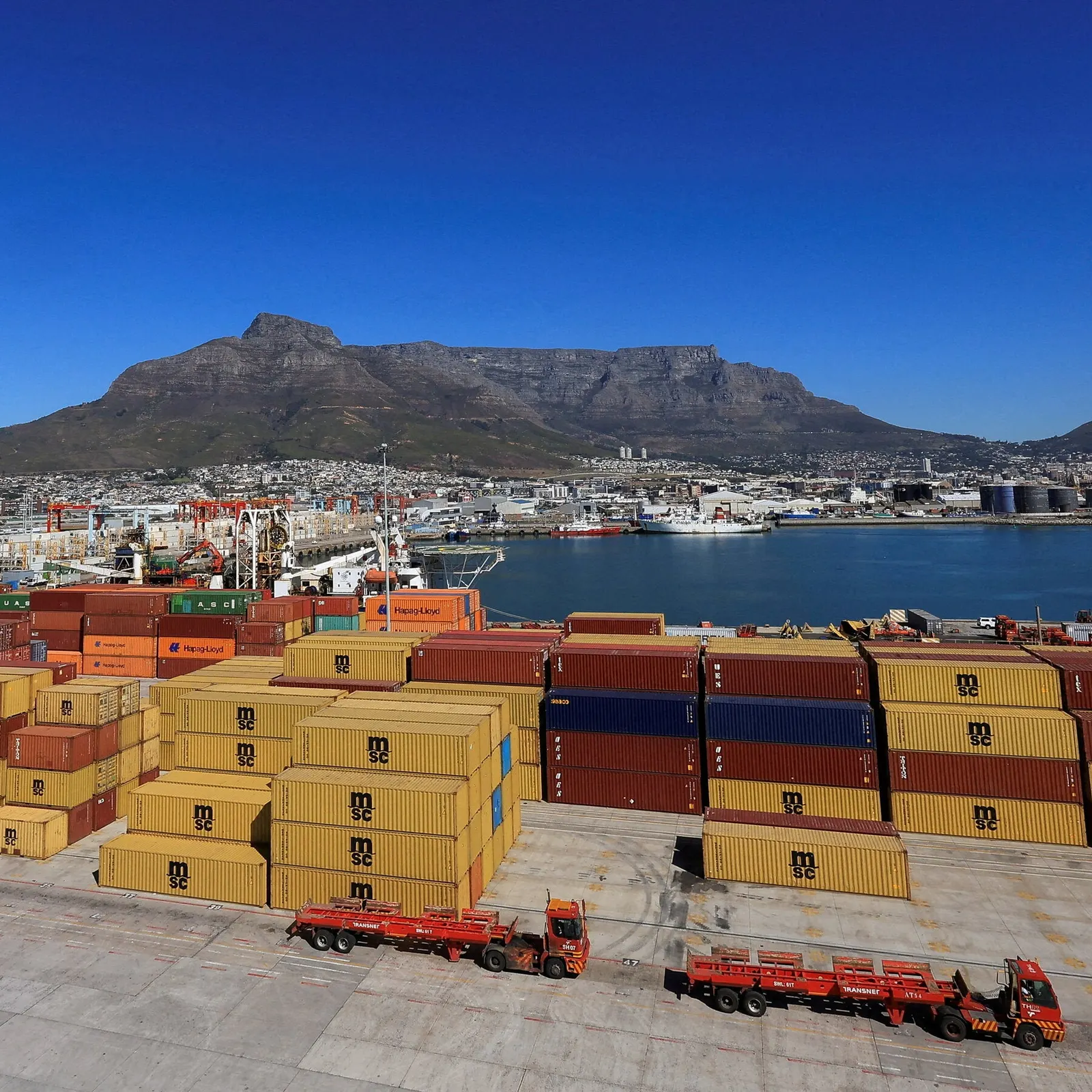
What's new
- Trump has notified Congress and both governments of the planned termination.
- The withdrawal of trade preferences is scheduled for January 1, 2027.
- An annual US review found both countries failed to meet programme requirements, according to Jamieson Greer.
The Trump administration announced on November 2, 2026, that South Africa and Rwanda would lose preferential access to the US market from January 1, 2027, under the African Growth and Opportunity Act. President Donald Trump notified Congress and the two African governments of his intention to end their participation, the US trade representative’s office said.124
Trade eligibility under review
AGOA gives participating African countries duty-free access to the United States. According to the BBC, the arrangement covers thousands of products exported by eligible countries. The planned exclusions would withdraw that preferential treatment from South Africa and Rwanda, rather than take effect immediately upon the announcement.145
US trade representative Jamieson Greer said the decision followed an annual assessment of eligibility. His office led the review across US government agencies, examining countries in sub-Saharan Africa. Greer said Trump concluded that the conduct of both governments did not satisfy the programme’s criteria.14
The administration identified obstacles to American trade and investment, as well as conduct it said threatened US national security and regional foreign-policy interests. Those were Washington’s stated grounds for the decision; the trade representative’s statement presented them as findings of the eligibility review.14
Separate concerns over each country
For South Africa, the administration also cited corruption and accused the government of discrimination against white people. Pretoria rejects the allegation that it persecutes white people as false, Reuters reported. According to the BBC, Leo Brent Bozell III, Washington’s envoy in Pretoria, said the country was losing eligibility because of policies pursued by its government.135
In Rwanda’s case, Washington raised concerns about respect for basic freedoms, a multiparty political system, lawful governance and globally accepted labour protections. The trade representative’s office also listed trade and investment barriers and concerns about US security and foreign-policy interests among its reasons for ending Rwanda’s eligibility.14
The BBC reported that the US Treasury had sanctioned Rwanda’s defence ministry over its alleged involvement in the armed rebellion in eastern Democratic Republic of the Congo. Treasury alleged that the ministry directed thousands of troops to fight with M23 rebels and supplied weapons, equipment, logistical support and training.1
Possibility of return
The exclusions need not be permanent: the Associated Press reported that both countries could regain participation if they meet AGOA’s eligibility requirements. Greer said the administration was working to secure compliance by African partners. The announced timetable nevertheless sets January 1, 2027, as the date for ending the two countries’ preferences.124
Why it matters
For European readers following African trade, the decision changes the terms on which two countries can access the US market. The issue is the withdrawal of duty-free preferences, with possible reinstatement if eligibility requirements are met, according to the Associated Press.25
Related stories




Version history
- version 1 ·