World · United States of America, People's Republic of China
Trump-Xi Summit Pairs AI Cooperation Talks With Panda Diplomacy
At a Washington summit spanning tariffs, Taiwan and artificial intelligence, presidents Donald Trump and Xi Jinping discussed AI safeguards over a state dinner and announced two giant pandas will move to Zoo Atlanta.
Listen to the story
Short version
Trump and Xi held White House talks covering AI, trade and Taiwan, and announced China will send two pandas to Zoo Atlanta.
- Xi and Trump met at the White House on September 24
- China to send pandas Ping Ping and Fu Shuang to Zoo Atlanta
- Sides discussed AI dialogue and a possible incident hotline
- US export controls on Nvidia chips remain a sticking point
- Next Trump-Xi meeting expected in November
What's new
- Xi Jinping said the pandas Ping Ping and Fu Shuang would reach Zoo Atlanta in a matter of days
- Trump and Xi discussed an AI dialogue including an incident channel compared to a Cold War red phone
- Tech leaders including Sam Altman and Mark Zuckerberg reportedly attended a White House state dinner
- Trump said his next meeting with Xi would take place in November after U.S. midterm elections
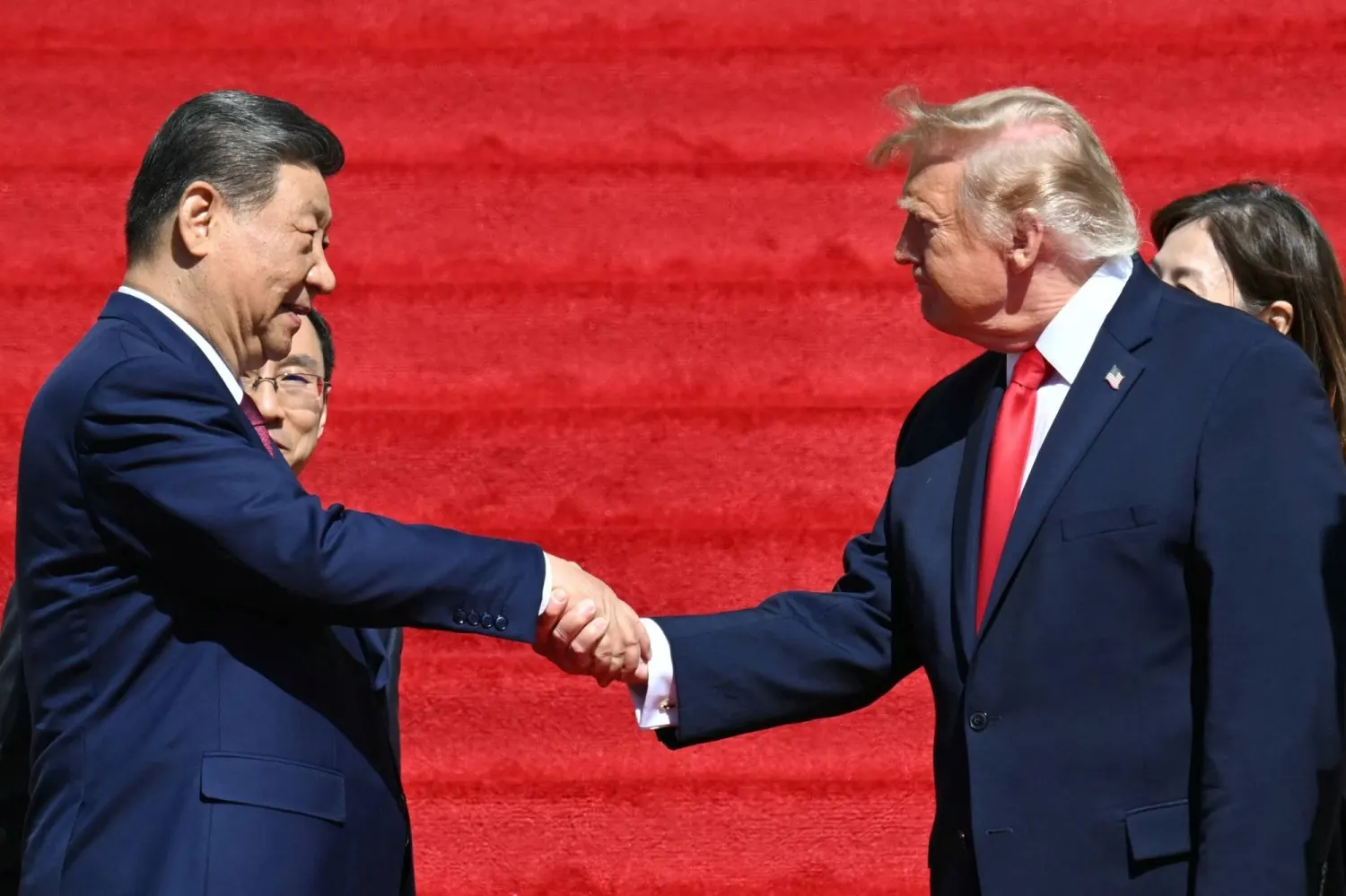
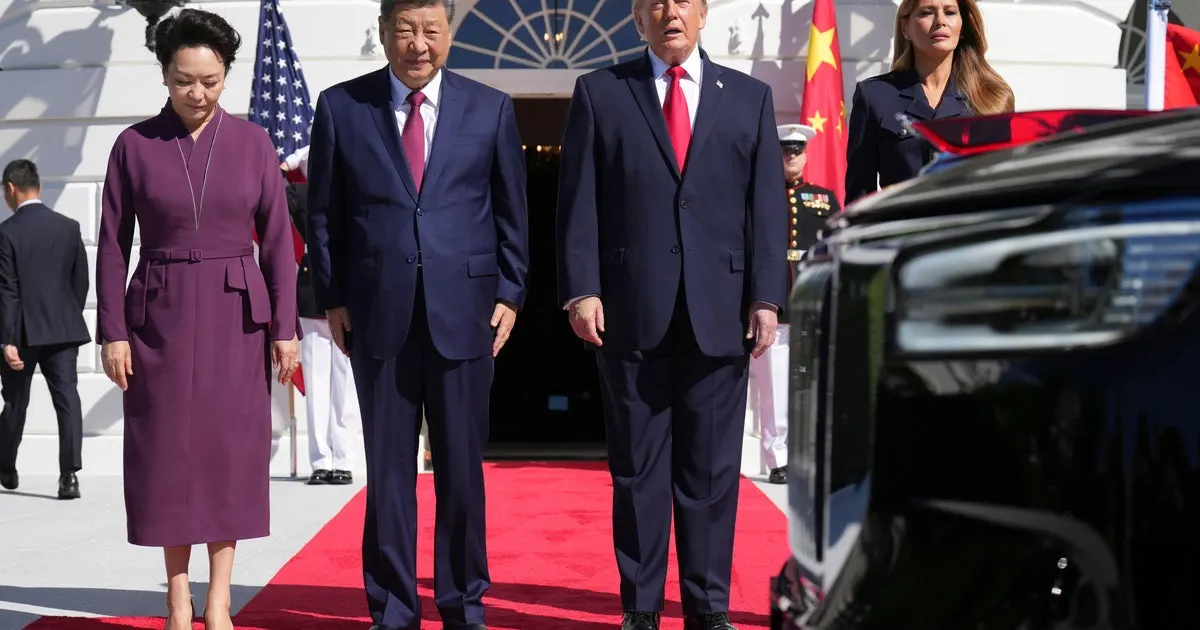
Chinese President Xi Jinping held talks with U.S. President Donald Trump at the White House on September 24, with the state visit's agenda touching on AI, tariffs, critical minerals, Taiwan and the war in Iran, and he revealed that China will send a pair of giant pandas to Zoo Atlanta in the days ahead.21
AI dialogue and a proposed hotline
Per a Chinese government summary, Xi said both countries could keep talking about artificial intelligence, share perspectives on its dangers and advantages, and collaborate to stop the technology from being misused. Xi said AI "must be kept under human control" and should be developed "for the positive and for good," per the same readout.12
Trump wrote that superintelligence would be a major topic and that he wanted to leave it "exactly where it is," adding that this was also China's position, according to CNBC. Xi observed that China and the United States might be rivals but could collaborate even further on AI, CNBC reported, citing the Chinese readout's claim that Trump said the two nations ought to keep talking and deepen their AI partnership.1
CNBC reported that U.S. Treasury Secretary Scott Bessent held talks over the weekend with Chinese counterpart He Lifeng about setting up an AI dialogue between the two nations, outlining a communication line meant to address incidents rising to a national-security level, comparable to a Cold War-style "red phone." Analyst Aalok Mehta said the discussion seemed to conclude with plans to keep talking and create some kind of emergency hotline, adding that the mechanism could grow more effective if combined with a formal system for reporting incidents.1
CNBC reported that both governments have already rejected calls for guardrails or a slowdown in AI development, even as OpenAI's Sam Altman, Anthropic's Dario Amodei and company researchers have urged such measures. According to CNBC, U.S. restrictions limiting China's access to cutting-edge Nvidia chips were likely to stay a source of tension, along with accounts of Chinese companies accessing Nvidia chips remotely through data centers abroad and U.S. allegations of AI model distillation.1
According to CNBC, OpenAI's Sam Altman and Meta's Mark Zuckerberg were among those at a state dinner held within the White House's East Room on September 24, where Jensen Huang, Lori Huang, Elon Musk, Lisa Su and Tim Cook sat alongside the presidential couples, while Greg Brockman, Sergey Brin and Satya Nadella also appeared on the invite list. CNBC described the event as a historic state dinner, though the U.S. government had not issued its own summit readout as the outlet reported.1
Panda diplomacy revived
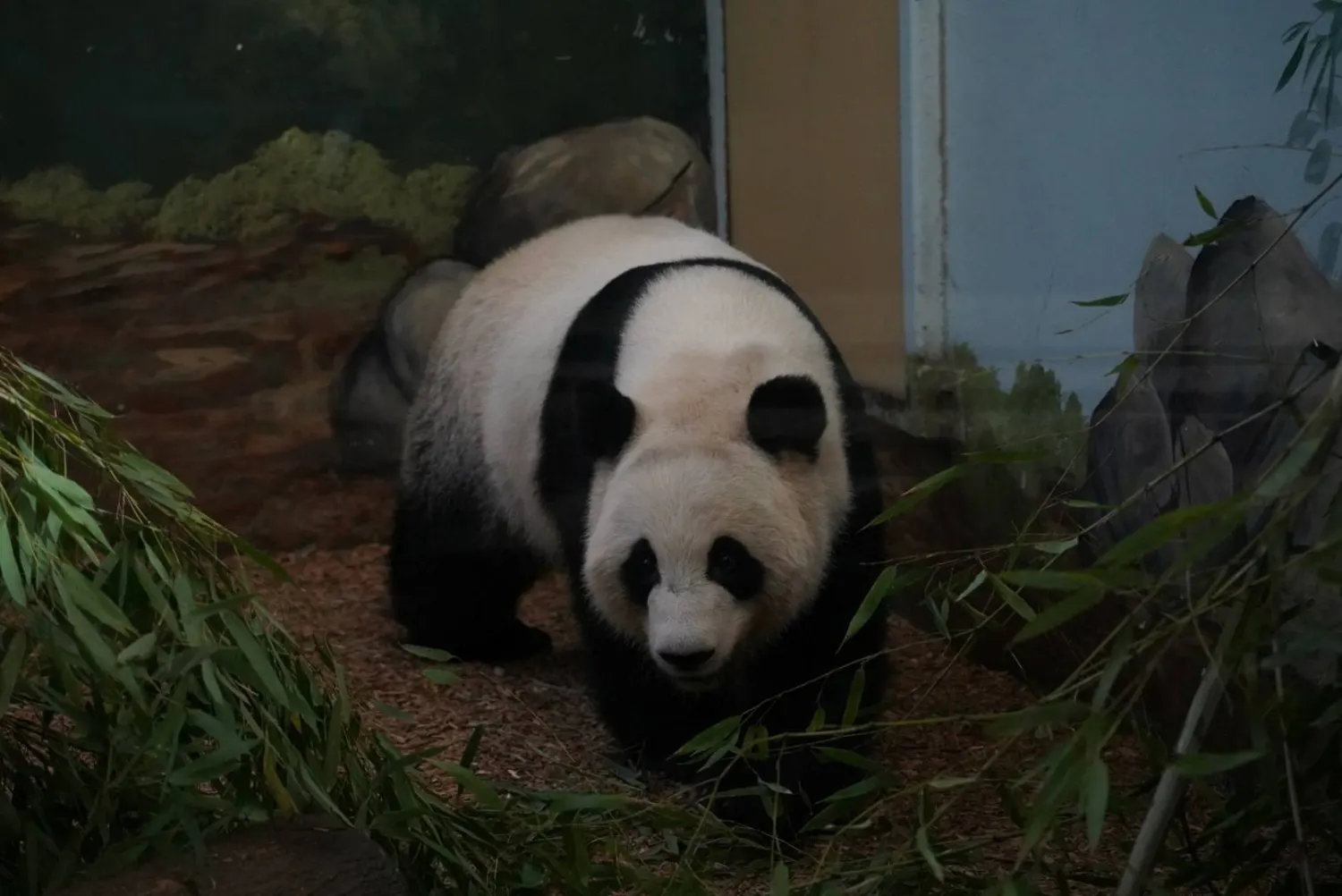
Xi said the pandas Ping Ping and Fu Shuang, hailing from the Chengdu Research Base of Giant Panda Breeding, were set to reach Zoo Atlanta and "meet with the American people in a few days." He referred to the animals as an "envoy of friendship" and characterized the deal as "a piece of good news" showing "friendship between the Chinese and Americans," according to CBS News.34
Xinhua reported that the China Wildlife Conservation Association signed an international giant panda protection agreement with Zoo Atlanta, launching a 10-year cooperation program, with U.S. venue renovations carried out with technical assistance from Chinese experts. Zoo Atlanta director Raymond B. King said in April that the zoo "can't wait to meet Ping Ping and Fu Shuang and to welcome our members, guests, city, and community back to the wonder and joy of giant pandas," according to CBS News.43
The pandas would be Zoo Atlanta's first since its previous four animals returned to China in November 2024, when the zoo became the last in the United States to lose its pandas, CNBC reported. According to CNBC and Xinhua, pandas loaned to the U.S. have produced 17 cubs overall, with six born in San Diego, four in Washington and seven in Atlanta.14
Xinhua dated the tradition back to April 1972, when the pandas Ling Ling and Xing Xing reached the United States after Richard Nixon's trip to China that February, welcomed by a rain-soaked crowd of over 8,000 Americans. Per Xinhua, the China Wildlife Conservation Association entered into a partnership with the San Diego Zoo in 1994, and the two countries began a fresh phase of panda conservation collaboration in 2024.4
Trade, Taiwan and the wider agenda
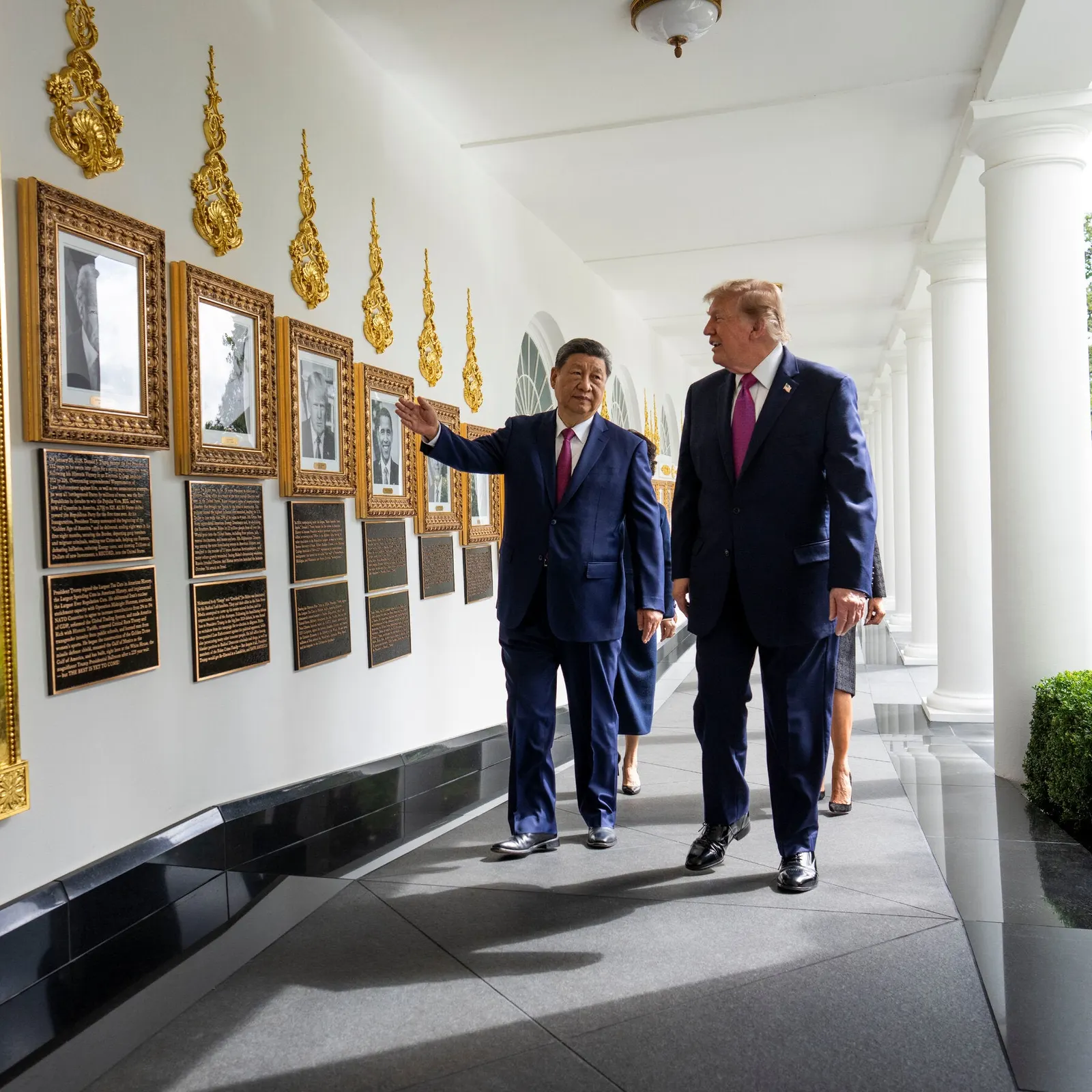
The Japan Times reported that Trump and Xi shook hands after visiting the National Archives in Washington. Xi told Trump the two sides had "never gotten along better," according to Trump's own account cited by the Japan Times, while Xi separately described elements of the encounter as "unprecedented."6
The Chinese Foreign Ministry said economic and trade officials from both countries conducted another round of talks that produced a fresh joint agreement, while the two presidents also traded views on the Middle East, the Ukraine conflict and the Korean Peninsula. Both nations agreed to back one another as hosts of the 2026 APEC Economic Leaders' Meeting and the G20 Summit, with Chinese officials including Cai Qi, Wang Yi and He Lifeng taking part in the discussions.2
The Japan Times reported that Xi pressed Trump to limit support for Taipei while hinting at a broader trade detente, and that Trump said his next meeting with Xi would take place in November, after U.S. midterm elections.65
Why it matters
The summit's AI provisions, including a proposed incident channel for national-security-level events, could shape how the world's two largest economies manage risks from advanced technology that affects global markets and security, including in Europe. The parallel discussions on tariffs, critical minerals and Taiwan also bear on trade conditions and regional stability that extend beyond U.S.-China relations.126
Related stories
same event
Version history
- version 2 ·
- version 1 ·