Business · United States of America, People's Republic of China
Trump-Xi Summit Extends Trade Truce, Delivers Little Else
Xi Jinping's three-day state visit to Washington closed with a two-month extension of the US-China trade truce, but core disputes on tariffs, chips and Taiwan remained unresolved.
MercoPress reported that Xi Jinping's three-day state visit to Washington concluded Thursday with the US-China trade truce extended by two months, moving its expiration from November 10 to January 10. The extension was settled the night before via an unscheduled meeting between Treasury Secretary Scott Bessent and Vice Premier He Lifeng, with no progress on tariffs, rare earths, Taiwan or chip export curbs.
The New York Times noted Xi arrived without a corporate delegation, unlike American executives who turned out in force, calling it a sign of changed business ties. CGTN reported US health experts, including Dr. Sonali Sethi, calling for closer cooperation with China on patient care, while Xi said he was ready to steer relations steadily forward. BBC's Business Daily examined whether tensions between the two economies are easing.
Trump and Xi's Washington summit produced a two-month trade truce extension but no breakthroughs on major disputes.
- Trade truce extended from Nov 10 to Jan 10
- No deal on tariffs, rare earths, Taiwan or chips
- Xi arrived without a CEO delegation
- US health experts urged closer China cooperation
- AI incident communication mechanism to be explored
What's new
- Trade truce extended from Nov 10 to Jan 10 after a last-minute Bessent-He Lifeng meeting
- No progress reported on tariffs, rare earths, agricultural purchases, Taiwan or chip export curbs
- Commitment made to explore a communication channel for AI incidents affecting national security
- Xi arrived without a CEO delegation, unlike American executives who attended in force
MercoPress reported that Chinese President Xi Jinping concluded his three-day state visit to Washington on Thursday, having secured only a two-month extension of the US-China trade truce while leaving the two countries' major disagreements unresolved.1
Truce extended, disputes unresolved
According to MercoPress, the truce's deadline was pushed back from November 10 to January 10 through a deal struck ahead of the Trump-Xi meeting itself, reached when Treasury Secretary Scott Bessent and Chinese Vice Premier He Lifeng held an impromptu session on Wednesday evening. The outlet said tariffs, rare earths, agricultural purchases, Taiwan and curbs on advanced chip exports all remained unresolved.1
MercoPress said those discussions also yielded a pledge to look into setting up a channel for communicating about AI incidents that could threaten national security.1
Business delegations tell a different story
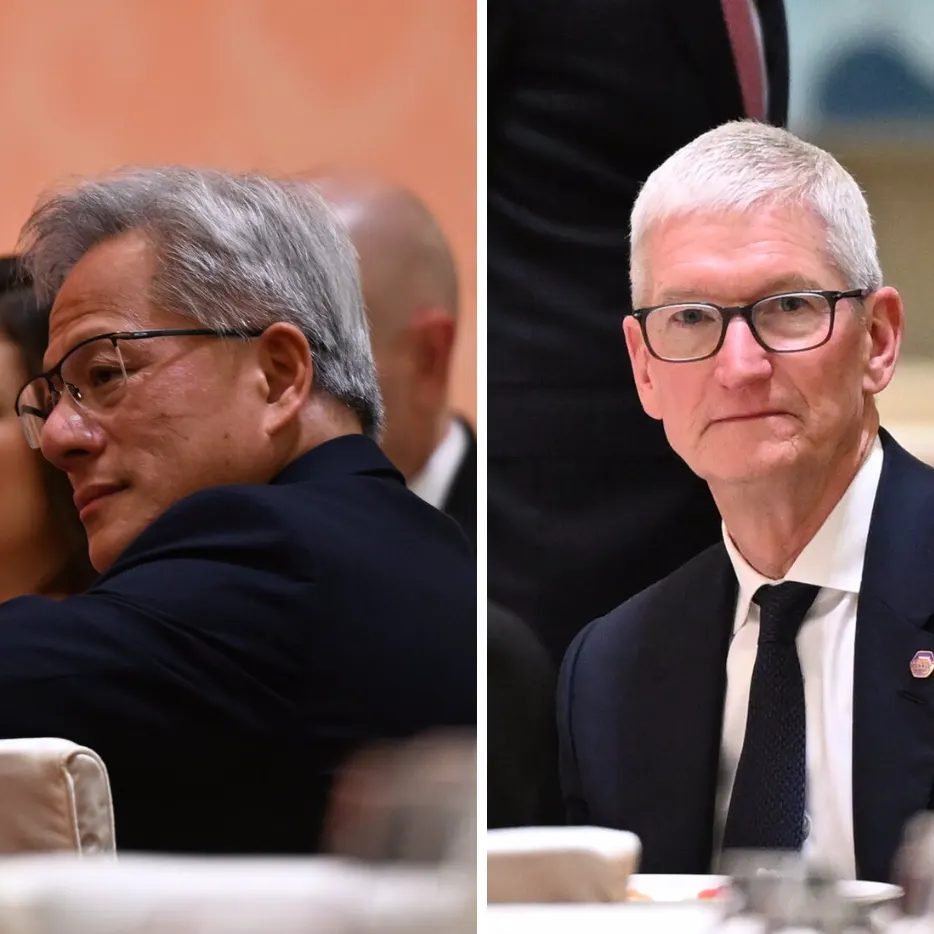
The New York Times reported that Xi Jinping did not bring a corporate entourage to Washington, in contrast with American chief executives who turned out in force to see him while their Chinese counterparts were absent. The newspaper said the contrast was a sign of how drastically business ties between the two countries have changed.4
A state banquet for 134 guests was held in the White House East Room on Thursday night, according to MercoPress, with prominent executives among those who attended, the New York Times said.14
According to the New York Times, the truce gives China breathing room to tackle its domestic economic problems and lessens its exposure to US pressure, even though the paper characterized the visit as heavy on ceremony yet lacking real progress on matters like artificial intelligence.4
Health experts call for closer ties
According to CGTN, US health experts are urging deeper collaboration with China, arguing it would benefit patient outcomes. Dr. Sonali Sethi, who heads the American Association for Bronchology and Interventional Pulmonology, indicated that partnership with China is certain to happen, noting the country's strong infrastructure, skilled trainees and innovative capacity, and adding that US experts are willing to share lessons learned from their own past missteps.3
George Cheng, a University of California, San Diego professor, said Chinese firms are advancing clinical technologies and lessons drawn from abroad, and suggested these advances could later flow back to Europe and the United States, helping patients there through what he called a lively two-way exchange of technology and care approaches.3
CGTN reported that at a welcome ceremony, Xi Jinping said his trip to the United States, made at Donald Trump's invitation, was meant to sustain goodwill, broaden collaboration and advance the welfare of both nations' citizens, and that he intended to work alongside Trump to keep China-US ties moving forward steadily.3
Broadcast coverage
BBC World Service's Business Daily devoted a 17-minute episode, hosted by Vishala Sri-Pathma, to the meeting, featuring Henry Wang of the Center for China and Globalization and AI researcher Stephanie Hare, who discussed the outcomes reached, whether relations between the two largest economies are cooling down, and the implications for technology, business and international trade.2
Why it matters
According to the New York Times, the truce gives China breathing room to address its domestic economic problems and reduces its exposure to US pressure, even as the visit was described as heavy on ceremony but lacking substantive progress on issues like tariffs, chips and AI regulation.14
How the story unfolded
The story's events over time. Click a person, place or related story.
What we know
- Xi Jinping wrapped up his Washington state visit on Thursday, having secured only a two-month prolongation of the bilateral trade truce.
- Central disputes on tariffs, rare earths, agricultural purchases, Taiwan and chip export restrictions remained unresolved.
- Xi Jinping arrived without a corporate delegation while American executives attended events in force.
- US health experts publicly called for closer cooperation with China on medical technology and patient care.
What we don't know yet
- Whether the AI incident communication mechanism will be formalised or implemented.
- Whether the January 10 truce deadline will be extended further or lead to a broader agreement.
- Details of the BBC Business Daily episode's full discussion beyond its stated topics.
Timeline
- 2023Xi Jinping was in the United States for the APEC summit in San Francisco.1
- MayFollowing talks held in Beijing, Washington delayed a planned $14 billion weapons sale to Taipei.1
- Sep 24Trump and Xi appeared together in photographs ahead of a White House state dinner.2
- Sep 25Xi's three-day trip opened with his landing at Joint Base Andrews, where Trump greeted him right at the plane's steps.1
- Sep 25An event including a military review, an exchange of gifts and an aerial flyover was held.1
- Sep 25A state banquet for 134 guests was held in the White House East Room.1
- Sep 25Scott Bessent and He Lifeng held an unscheduled meeting that settled the truce extension.1
- Sep 25The visit ended with a two-month extension of the trade truce and no progress on central issues.1
- Sep 25US health experts pressed for tighter collaboration with China, contending it would enhance patient care.3
- Sep 25Xi Jinping said he was ready to work with Trump to steer China-US relations steadily forward.3
- Nov 10The original trade truce agreement had been due to expire.1
- January 10The extended trade truce agreement is set to run to this date.1
- NovemberTrump and Xi are due to meet in Shenzhen at the APEC summit.1
- DecemberTrump and Xi are due to meet in Miami at the G-20.1
Quotes
We will definitely be working with China. You have the infrastructure, the trainees, the innovation, you have all of it. And we're happy to help so you don't make the same mistakes we made along the way,
adhere to the correct position of opposing Taiwan independence and handle the Taiwan issue with prudence
a very good negotiating tool
explore a new path
Videos
Related stories
Version history
- version 1 · 27 September at 04:06