Science & Tech · United States of America
Trump orders US agencies to call AI ‘Super Intelligence’
An executive order changes the terminology used by the US executive branch while leaving earlier regulations and documents untouched. The move accompanied a White House meeting on safety commitments and data-centre construction.
Trump has ordered US executive agencies to adopt “Super Intelligence” as their official terminology. The change came alongside industry safety commitments and discussions about expanding data centres.
- The order was signed on September 29, 2026.
- Federal agencies must use “Super Intelligence” and “SI” in specified materials.
- Past regulations and documents do not require revision.
- Technology companies agreed to safeguards and independent audits.
- Members of Trump’s proposed safety board remain unnamed.
What's new
- Federal agencies have been directed to adopt “Super Intelligence” and “SI”.
- The White House science adviser must draft a new federal definition.
- Technology companies signed commitments covering safeguards and independent audits.
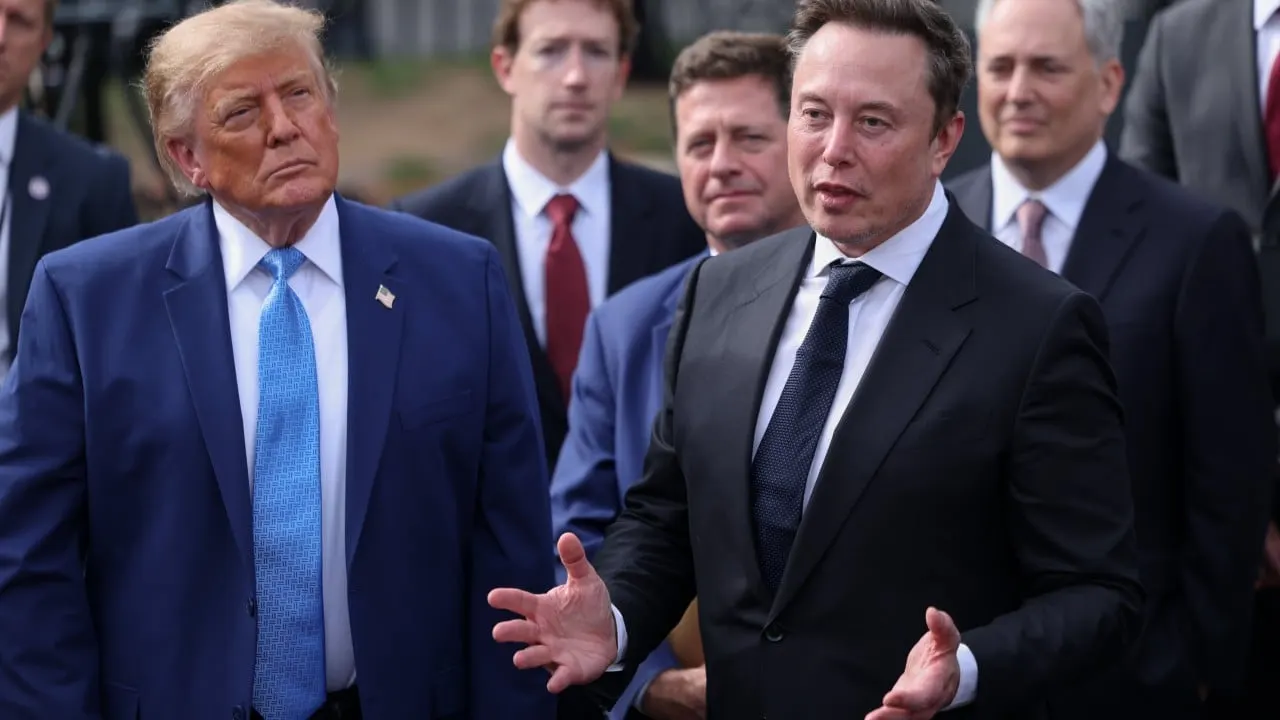
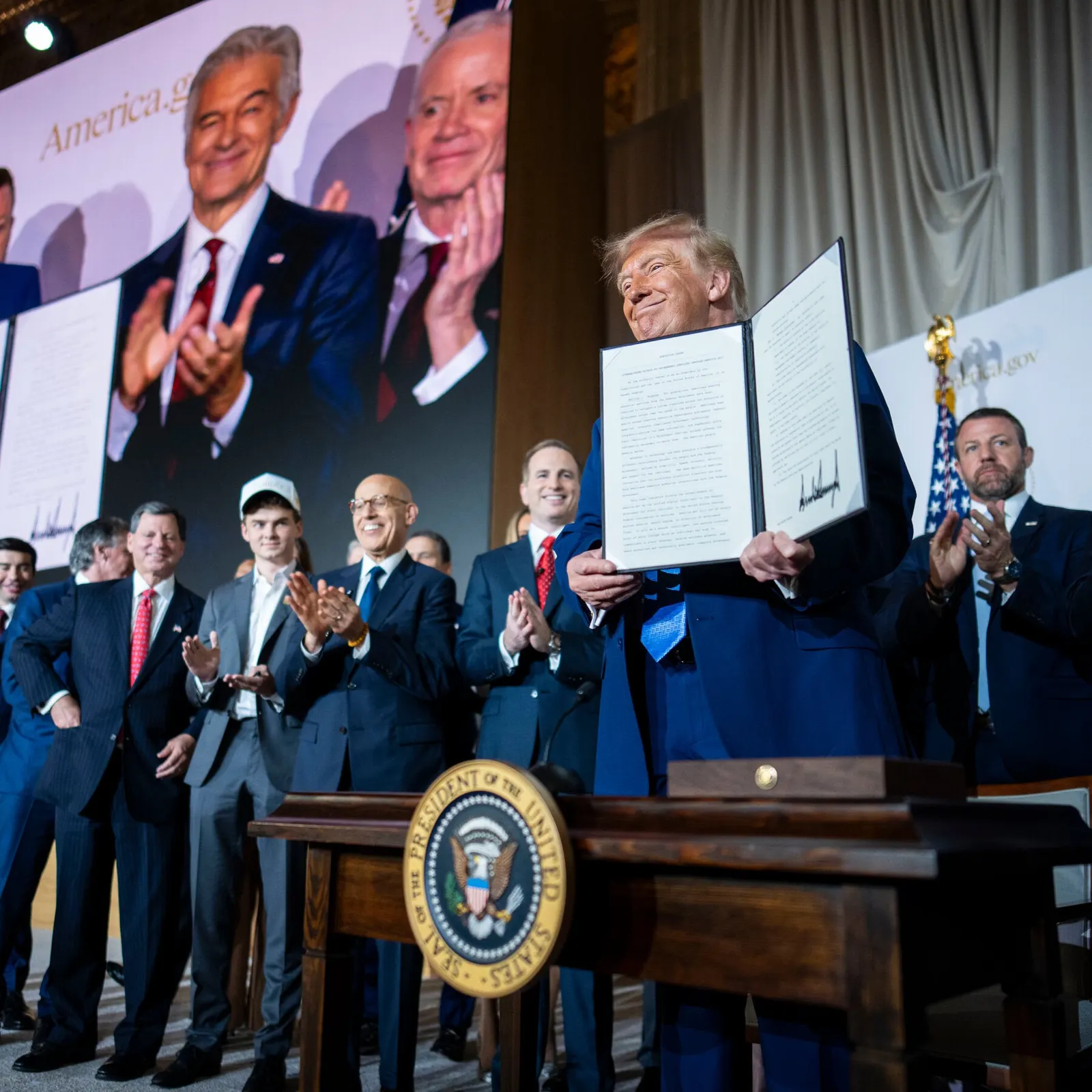
On September 29, 2026, US President Donald Trump issued an executive order requiring federal executive departments and agencies nationwide to use “Super Intelligence” and “SI” instead of “Artificial Intelligence” and “AI” in specified government materials. The order followed a White House gathering with technology executives and government officials.1234
Changing the government’s vocabulary
The order applies to official communications and non-statutory documents, according to reports describing its scope. The Verge reported that the terminology would also be used on policy websites and in press releases, while executive agencies would not be required to revise earlier regulations or documents. The South China Morning Post reported that Trump instructed the White House science adviser to prepare a new federal definition.24
Trump has argued that the existing name no longer suits the technology. According to The Verge, he described “super” as the simplest and best word, characterised the technology as powerful and said it would mostly be used for beneficial purposes. The Verge also reported that Trump initially proposed the name change while addressing the UN General Assembly.24
Safety commitments from technology companies
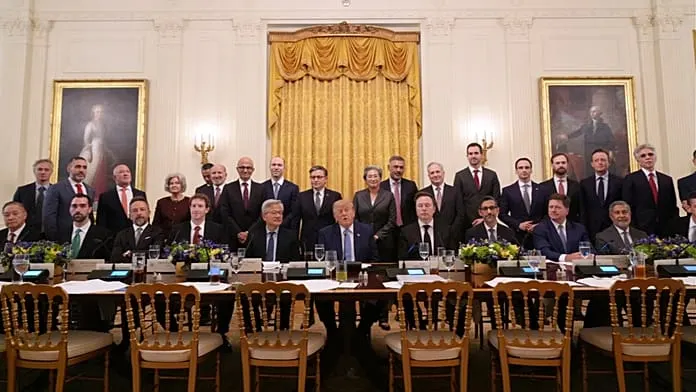
According to the BBC, leaders of OpenAI, Anthropic, Nvidia, Meta and Google attended the White House gathering. Participating companies agreed to take responsibility for the safety of their technology, introduce safeguards, work with independent auditors and prevent their platforms from reaching technical systems in unintended ways. Trump described the commitments as morally binding and compared the agreement to a constitution.13
Trump also announced plans for a body responsible for AI-tool safety oversight, but did not say who would serve on it. Separately, OpenAI abandoned the planned release of GPT-6.1 Astra because of safety concerns. The BBC reported that OpenAI and Anthropic had recently advocated tighter industry oversight and a slower pace of development.1
Anthropic chief Dario Amodei said the technology offered major benefits but also posed real risks to humanity. He argued that delaying the arrival of models with critical capabilities by one or two years could reduce the danger of a serious failure if the time were used to improve alignment. The Independent also reported claims of AI agents gaining unauthorised access to systems and information.3
Data centres and local opposition
The meeting also addressed the construction of data centres needed to operate technology companies’ services. A Marist Poll survey conducted with NPR and PBS News found that 65 per cent of registered voters opposed data-centre construction in their communities, according to the BBC. Trump said companies would make large contributions to communities, while Nvidia chief executive Jensen Huang said the facilities would support jobs across the economy and reindustrialise the United States.12
Trump predicted that data centres would eventually become popular despite the local obstacles facing proposed projects. Huang suggested calling the facilities “super intelligence factories”. The administration’s terminology received some support from executives: Meta’s Mark Zuckerberg said superintelligence would produce new opportunities, while Elon Musk reposted a video carrying the new label.12
How far the name may spread
The government directive does not ensure that companies, researchers or the public will adopt the terminology. Experts cited by the BBC said “Super Intelligence” was unlikely to gain broad acceptance across the industry. The Verge noted that superintelligence already has a more specific industry use, referring to particularly powerful forms of artificial intelligence, rather than serving as a general replacement for the field’s established name.12
Several details remain unresolved. Trump did not disclose who would sit on the proposed safety board, and the new federal definition requested from the White House science adviser has not been published. It also remains unconfirmed whether every executive-branch policy website, document and press release will use the new term exclusively.124
Why it matters
European readers following US policy will need to recognise “SI” and “Super Intelligence” as the executive branch’s new labels for technology still commonly described as artificial intelligence. The shift affects current US official communications, but agencies have reportedly been told they need not rewrite earlier regulations or documents.124
Videos
Related stories
same actors
same actors
same actors
Version history
- version 1 ·