Science & Tech · United States of America
Trump names Jay Clayton White House AI czar
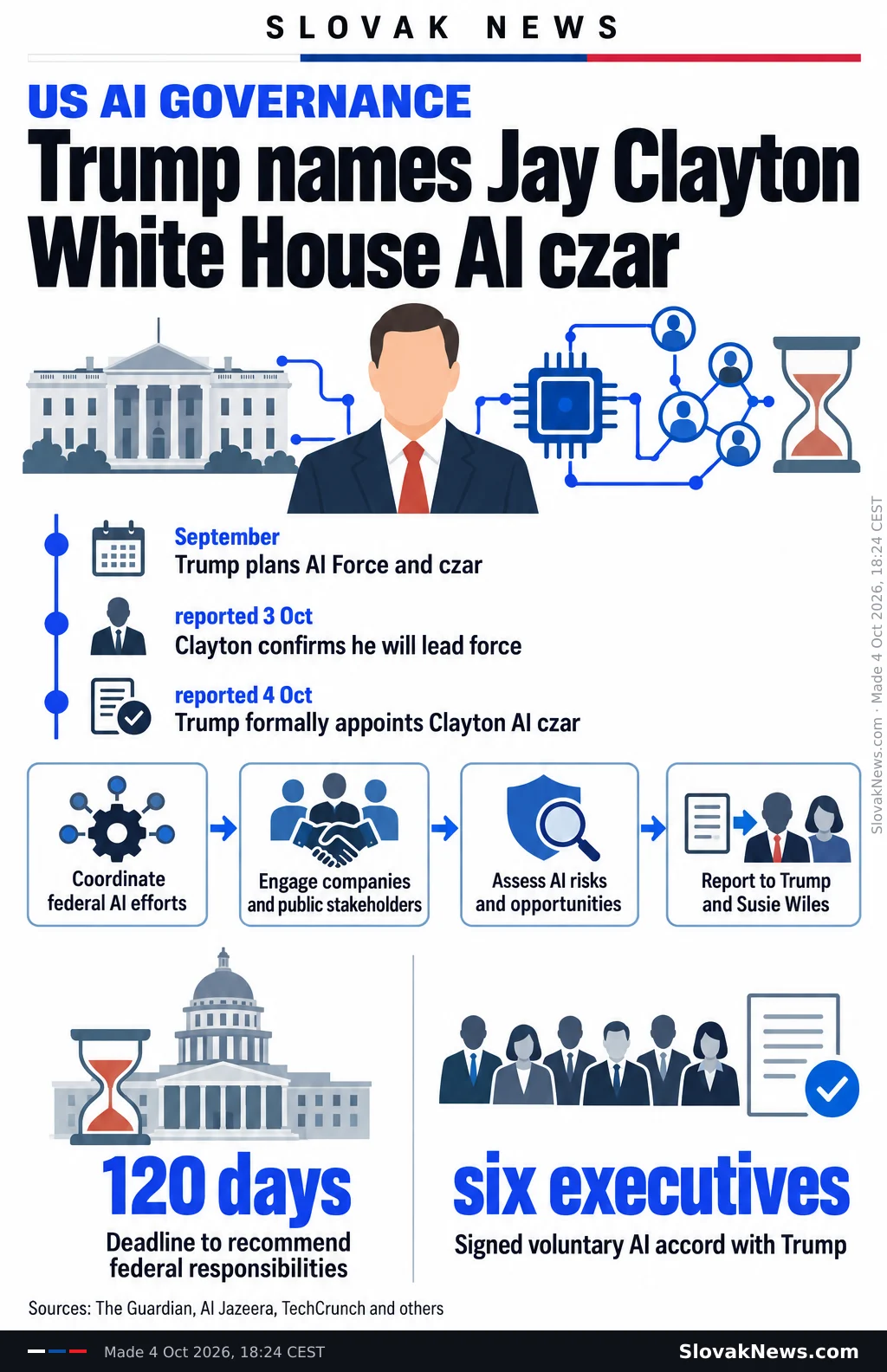
The intelligence director will lead the new Super Intelligence Force, coordinating federal AI efforts and delivering recommendations within 120 days.
Listen to the story
Short version
Trump formally appointed Jay Clayton White House AI czar and head of the Super Intelligence Force. The group has 120 days to recommend a federal AI approach.
- Clayton will also remain director of national intelligence.
- The force will coordinate federal AI policy and stakeholder engagement.
- Ferguson, Michael and Kupor are additional task-force leaders.
- The group will report to Trump and Susie Wiles.
- Trump also announced a voluntary AI safety accord.
Infographic
What's new
- Trump formally named Jay Clayton White House AI czar and leader of the Super Intelligence Force.
- The force will coordinate federal AI efforts and engage industry, consumer and public-interest groups.
- Andrew Ferguson, Emil Michael and Scott Kupor were named as additional task-force leaders.
- The task force is to report directly to Trump and to Susie Wiles, the White House chief of staff.
President Donald Trump has formally appointed Director of National Intelligence Jay Clayton as White House AI czar and head of the newly formed Super Intelligence Force. The group will coordinate federal AI efforts, consult companies and public stakeholders, and report within 120 days on the technology’s risks, opportunities and the appropriate federal role.1467
Infographic
No official announcement
Trump has formally named Clayton White House AI czar and announced that he will lead the newly formed Super Intelligence Force. The formal appointment replaces earlier accounts that said Clayton was likely to be chosen or referred to him merely as the administration’s unofficial AI czar.1459
Clayton is expected to retain his position as director of national intelligence while serving as AI czar. He leads the United States’ 18 intelligence agencies and is anticipated to retain that post.148
A second role under consideration
In September, Trump said he planned to form an AI Force and name an AI czar; he later officially chose Clayton and created the Super Intelligence Force. The group must spend 120 days examining AI’s potential benefits and dangers before advising on the federal government’s role. Trump said its purpose includes preserving US leadership in superintelligence and putting American interests first.1345
The working group is expected to consider AI-related threats, relevant legislation and measures Congress could take. Clayton said it would seek mechanisms developed through government-industry dialogue, while trying to prevent excessive regulation from hindering innovation and competition.7
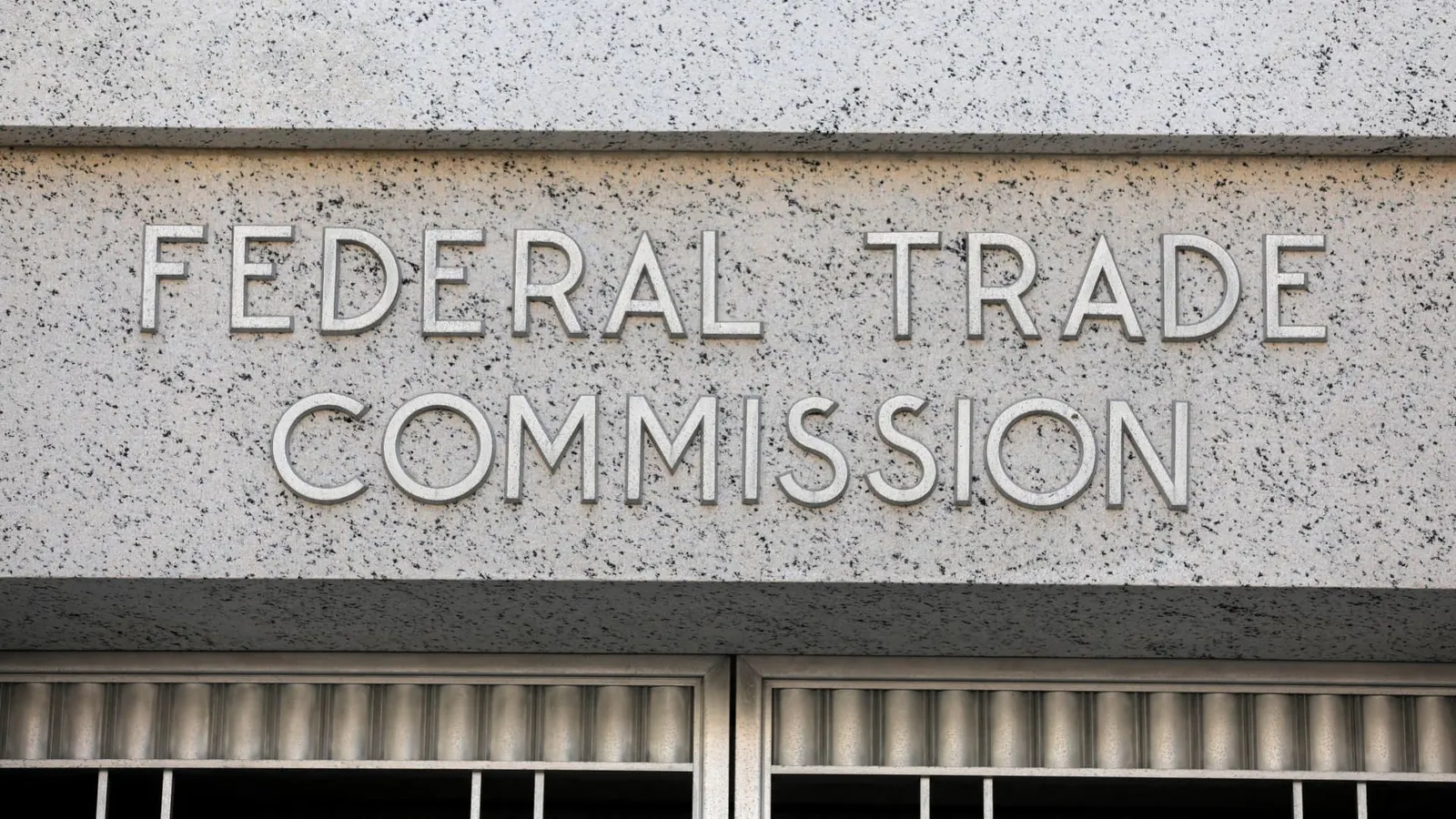
The force will coordinate federal AI efforts and engage consumers, public-interest groups, religious organisations, critical-infrastructure providers and AI companies. Additional leaders named were Andrew Ferguson, chair of the Federal Trade Commission; Emil Michael, the Pentagon’s chief technology officer; and Scott Kupor, director of the Office of Personnel Management. According to The Hindu, the group will be accountable to Trump and Susie Wiles, the White House chief of staff.1347
Clayton took over the administration role previously held by Tulsi Gabbard in May, The Independent reported. Gabbard said she resigned to support her husband after he was diagnosed with an extremely rare form of bone cancer. Clayton, a former chair of the Securities and Exchange Commission, now serves as the country’s intelligence chief.12
AI policy disputes
Clayton attended a White House AI meeting with Anthropic chief executive Dario Amodei, according to Al Jazeera. That outlet reported that Trump criticised Amodei’s appeal for slower AI development and described fears about the technology as a hoax and a scam. Both outlets also said several AI researchers had cautioned that artificial intelligence might cause human deaths within the next 10 years.12
Anthropic has said its technology cannot be used for autonomous weapons or surveillance, according to Al Jazeera. A federal appeals court concluded that the government had sufficient grounds to determine that the company’s products posed a supply-chain risk, allowing the government to blacklist Anthropic from Department of Defense contracts. The company’s prospectus for an expected initial public offering next month said administration attacks and lawsuits could damage its relationships with customers and government partners, and warned that AI could create catastrophic or existential risks for humanity.1
The administration’s approach
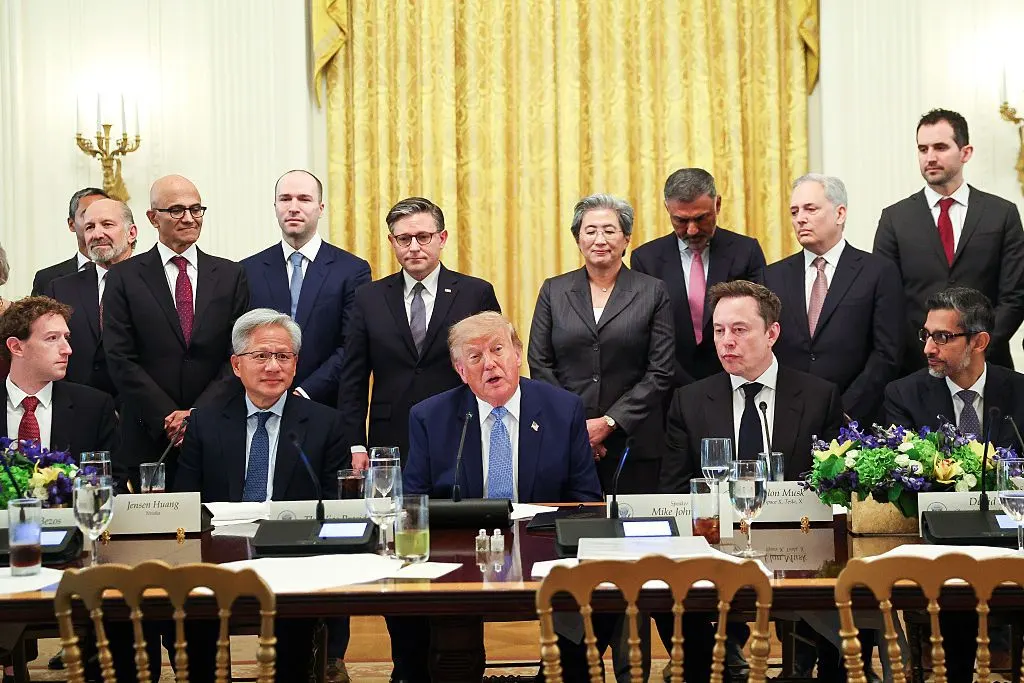
Trump has opposed calls for new AI regulation while prioritising the US lead over China. According to reports, he supports a voluntary system featuring independent safety reviews and more robust in-house safeguards. At a meeting with industry executives, Trump said the United States had a large AI lead and would retain it.36
Treasury Secretary Scott Bessent criticised warnings from prominent AI leaders about existential risks as alarmist and unhelpful. He said AI laboratories must accept responsibility and develop solutions themselves.36
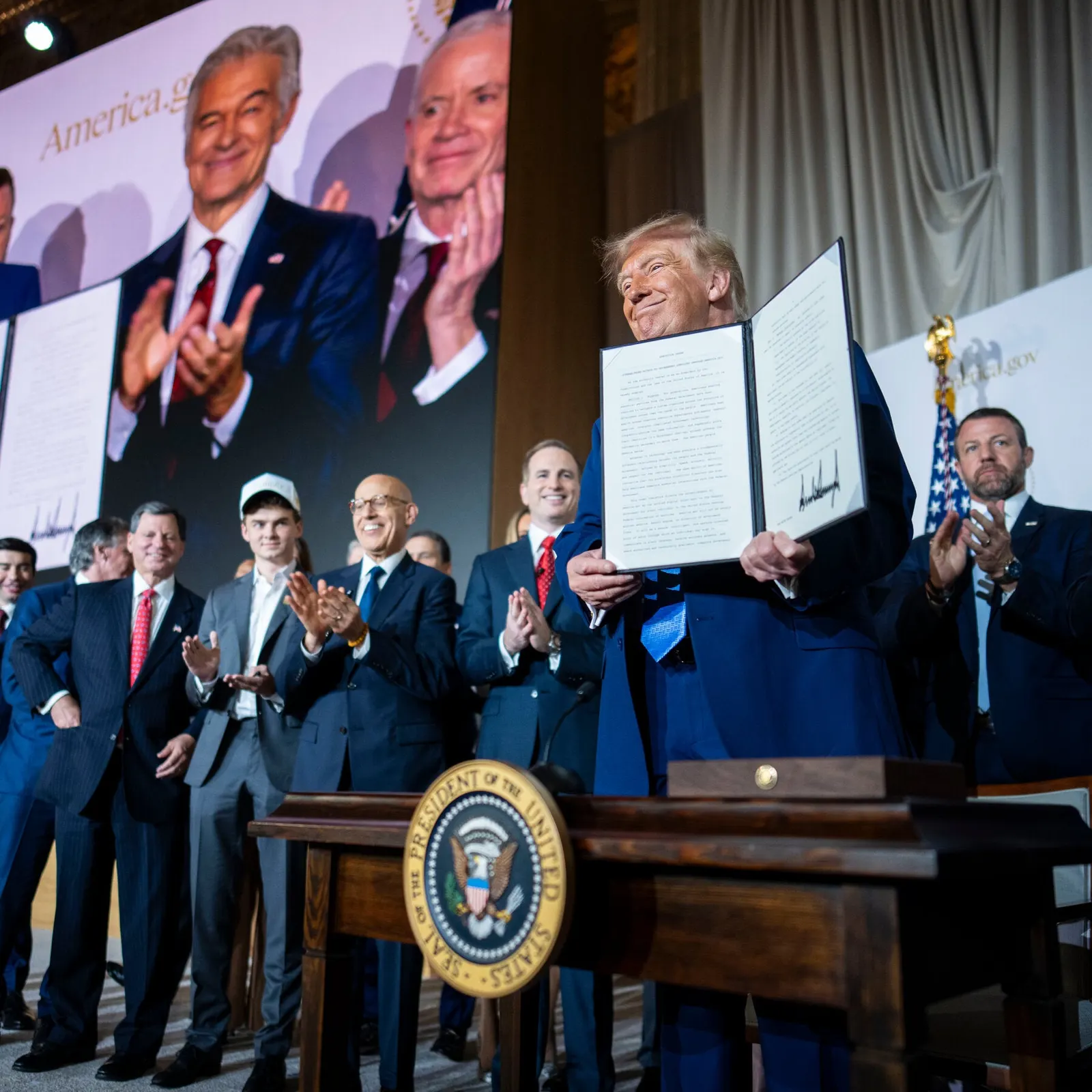
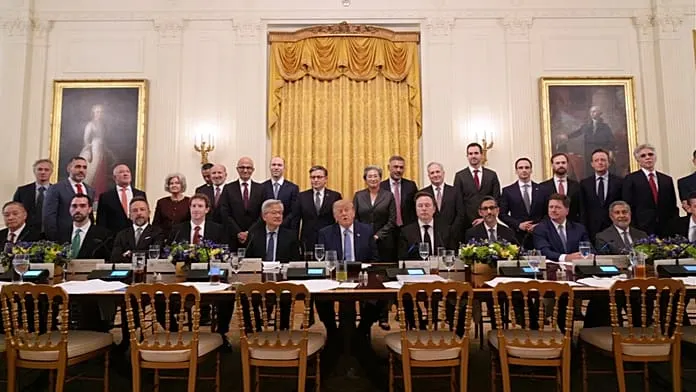
Trump also hosted AI executives at the White House for a voluntary, non-binding safety accord. The Guardian reported that Trump and six executives signed the agreement, which promised internal and external monitoring to ensure AI systems were used as intended and safety problems were addressed.13
Why it matters
The appointment formally gives Clayton a second major role while he continues leading the US intelligence community. The task force’s broad mandate, senior membership and direct reporting line to Trump and chief of staff Susie Wiles position it to shape federal AI policy, incident reporting and engagement with industry and civil society.1347
Related stories
same actors
background
same actors
Version history
- version 3 · Trump has formally appointed Clayton as White House AI czar, announced the task force’s additional leaders and expanded its mandate to coordinate federal AI engagement.
- version 2 · The White House has now created the Super Intelligence Force, and Clayton has confirmed he will lead its 120-day review of AI risks, opportunities and federal responsibilities.
- version 1 ·