Trump waives Russia sanctions provisions before scheduled start
Trump cited US national interests in suspending measures under the Graham Act. The decision drew criticism from lawmakers as relations with Ukraine’s president came under strain.
Trump waived Russia sanctions provisions, citing US national interests. Reports described suspended tariffs and criticism from lawmakers over the decision’s implications for Ukraine.
- Trump said he sent Congress a national-interest certification.
- Talk 1200 reported suspended tariffs on Russia and major Russian energy buyers.
- Lawmakers from both parties criticised the waiver, according to Talk 1200.
What's new
- Trump signed a waiver on October 16, according to Talk 1200.
- Trump said he had certified the national-interest grounds to Congress.
- Lawmakers from both parties criticised the decision, Talk 1200 reported.
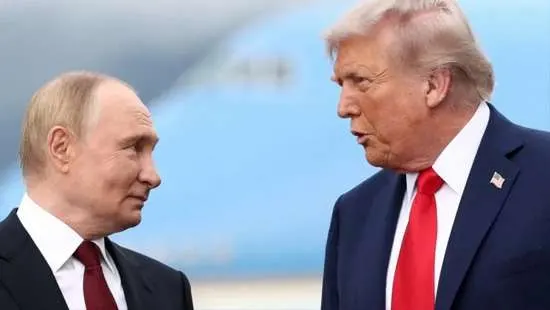
US President Donald Trump on October 16 waived sanctions-related measures against Russia in the United States, before their scheduled October 18 start, according to Talk 1200. Trump said he had informed Congress that the waiver served US national interests.13
Measures suspended
The measures were included in 2026 legislation bearing Lindsey O. Graham’s name that targeted Russia and Iran; Trump signed it in September. The Jerusalem Post reported that Trump said he was setting aside numerous sanctions, restrictions and duties before they became effective. It identified Lindsey Graham as the legislation’s principal congressional supporter.3
According to Talk 1200, the executive order suspended tariffs of 500% on Russian imports and duties of 100% aimed at major purchasers of Russian oil and gas. The outlet said the legislation received bipartisan backing and that the waiver was issued with under 21 days remaining until the midterm elections.1
The Jerusalem Post said the provisions would, within 30 days, apply tariffs of up to 100% to goods supplied by the five countries importing the most Russian crude oil or gas. It also reported that the legislation covered countries knowingly purchasing Russian energy 30 days after enactment or ranking among the five leading countries assisting sanctions evasion.3
India, one of the largest purchasers of Russian oil, had expressed concerns about the legislation, according to The Jerusalem Post. The Daily Mirror reported that the law also contained sanctions targeting Vladimir Putin, Russian financial institutions and Russia’s shadow fleet. Those measures were part of the law; the reports do not establish the disposition of every provision under the waiver.23
National-interest explanation
Trump said he had submitted a certification to Congress stating that the waiver served US national interests. Talk 1200 reported that the administration was required to provide Congress with an explanatory report and that Trump confirmed it had been sent. The outlet said the supporting explanation had not been made public.13
Talk 1200 linked the decision’s timing to an agreement between Trump and Putin to put Russian diesel on the global market amid rising diesel prices. The Daily Mirror separately reported a US deal to import Russian diesel and said Ukrainian President Volodymyr Zelensky characterised it as US support for Russia’s war effort.12
Criticism over Ukraine
The response included criticism from lawmakers in both parties, according to Talk 1200. Senator Richard Blumenthal called the waiver a “craven, cowardly action”. Representative Don Bacon said “it prolongs the war in Ukraine”. These were their assessments of the decision, rather than established consequences.1
The Daily Mirror reported that Democrats including Don Beyer accused Trump of yielding to Moscow and abandoning Ukraine. The Jerusalem Post placed the waiver alongside Trump’s public criticism of Zelensky, reporting that Trump had suggested Ukraine needed a different leader.23
Why it matters
The measures concern Russian energy sales and economic pressure linked to the war in Ukraine. The Daily Mirror reported that Ukraine describes its attacks on Russian energy facilities as an effort to reduce revenue for Russia’s military, while Zelensky criticised the diesel agreement as support for Russia’s war effort.2
Videos
Related stories
Version history
- version 1 ·