World · United Arab Emirates
UAE classifies Flydubai cockpit attack as attempted terrorist act
UAE investigators said a co-pilot attacked the captain with an emergency axe and tried to seize control of a Dubai-to-Tel Aviv flight. The aircraft landed safely in Saudi Arabia.
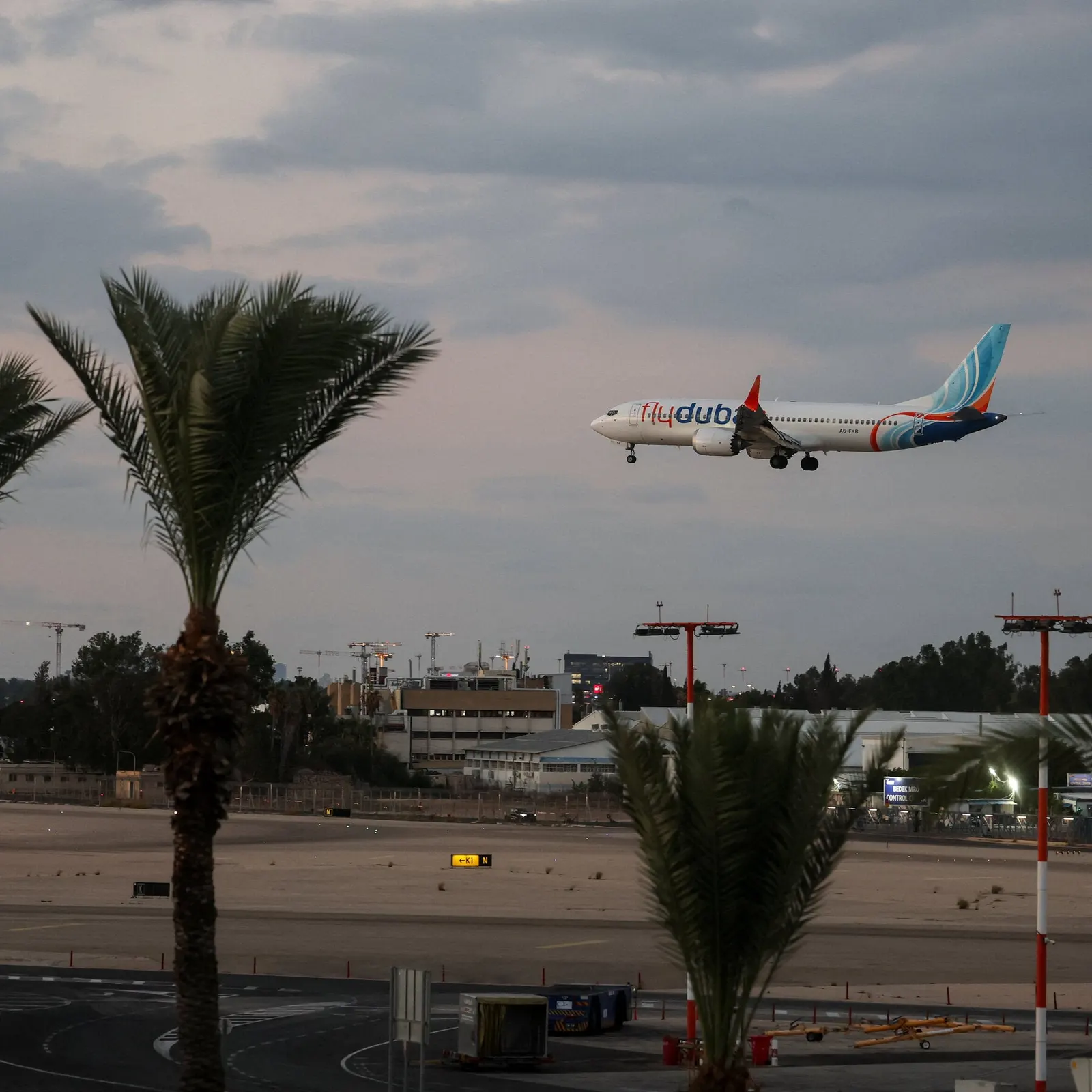
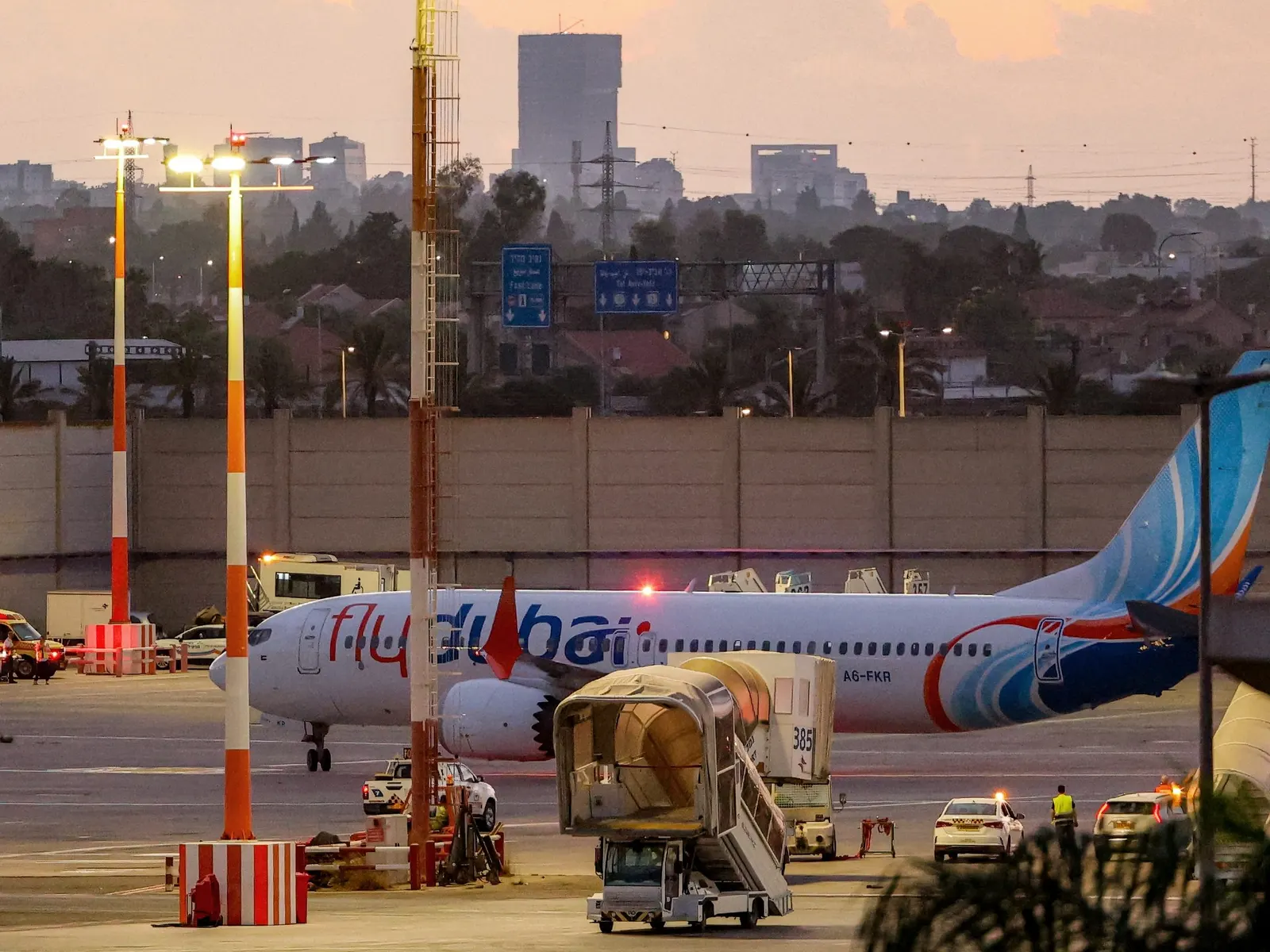
UAE investigators determined that a co-pilot's attack in the cockpit of a Flydubai plane bound for Tel Aviv constituted an attempted terrorist act. The aircraft landed safely in Saudi Arabia after passengers and crew subdued him.
- The incident occurred on a Sept. 30 Dubai-to-Tel Aviv flight.
- Investigators said the co-pilot attacked the captain with an axe.
- Passengers and crew restrained the co-pilot.
- The injured captain was reported in stable condition.
- The co-pilot’s motive has not been disclosed.
What's new
- UAE authorities classified the incident as an attempted terrorist attack. [s1,s4]
- Investigators said the co-pilot had planned the attack. [s1,s3]
- The injured captain was reported stable and returned to the UAE. [s1]
UAE authorities said on Oct. 3 that a co-pilot’s attack aboard a Sept. 30 Flydubai flight from Dubai to Tel Aviv was an attempted terrorist act. Investigators said the co-pilot struck the captain with a cockpit axe and sought to seize the controls; the plane subsequently touched down without incident at Saudi Arabia's Tabuk airport.134
Attack in the cockpit
According to UAE Attorney General Hamad Saif Al Shamsi, the co-pilot put a plan into action while airborne, using an emergency or crash axe against the captain and seeking to seize the plane's controls. CNBC reported that passengers and crew restrained the co-pilot. Israeli passenger Yaniv Hayun entered the cockpit during the incident, according to the same report.13
The flight carried 172 passengers and crew, most of them Israeli citizens, according to CNBC. Israeli Prime Minister Benjamin Netanyahu said the assailant “tried to crash the plane” and praised Hayun as a “hero”. The aircraft diverted to Tabuk, where it landed safely.1
FlightRadar24 data cited by CNBC showed the aircraft descending by more than 14,000 feet in 29 seconds. Transponder readings indicated vertical speeds ranging from roughly 30,000 feet per minute downward to 10,000 feet per minute upward, compared with rates that rarely exceed 4,000 feet per minute in either direction during normal operations. The aircraft also transmitted a general emergency code.1
Investigation and identities
UAE investigators described their conclusions as initial findings and did not disclose a motive. CNBC said inquiries were continuing into the circumstances, possible links and physical and digital evidence. Al Shamsi said the investigation had found that the co-pilot intended to carry out a terrorist act.134
CNBC reported that the co-pilot had been identified as Hamam al-Hammami, an Omani national, while noting that it could not independently verify his identity. Middle East Eye said the initial UAE findings did not confirm his nationality, although an unnamed Saudi source told AFP that he was Omani. Middle East Eye also reported that he had been prohibited from flying in Oman because of concerns over extremist views.13
The injured captain was identified as Smit Machchhar, an Indian national. CNBC reported that he was treated at a hospital in Tabuk, was in stable condition and was later returned to the UAE.1
Flights resume
On Oct. 3, Middle East Eye said the first service returning Israelis from the UAE arrived in Tel Aviv after flights had been halted in the wake of the cockpit attack. The New York Times said the incident had intensified concerns about the security of Israelis travelling abroad.23
Why it matters
The New York Times reported that the assault heightened concerns about the safety of Israelis travelling outside their country. For European readers, the case is relevant to those wider concerns about international air travel and passengers abroad, although the flight itself was travelling from Dubai to Tel Aviv.2
Related stories



Version history
- version 1 ·