World · United States of America, Netherlands
US sanctions International Criminal Court as institution
Washington has imposed sanctions on the International Criminal Court, targeting its ability to conduct financial transactions. The court, UN secretary-general and several allied governments criticised the move.
Washington has sanctioned the ICC itself, restricting US transactions and services while allowing a six-month grace period.
- US sanctions now apply to the ICC institution
- US firms cannot provide services to the court
- Exemptions create a six-month grace period
- ICC says the measures will not deter it
- Several member states reaffirmed support
What's new
- US sanctions now target the ICC itself
- US firms are barred from supplying court services
- Exemptions provide a six-month grace period
- Several ICC member states reaffirmed support
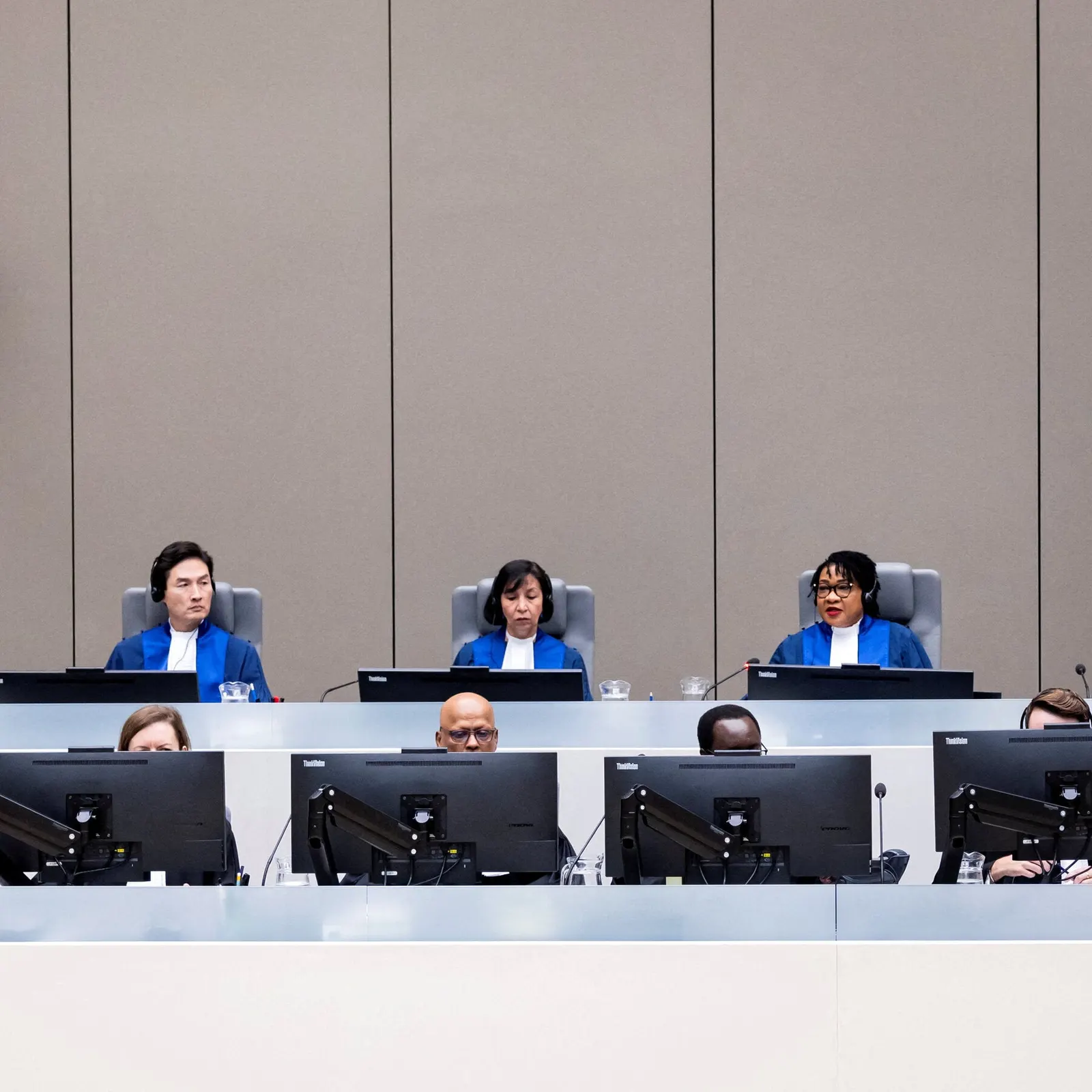
The United States on 9 October imposed sanctions on the International Criminal Court in The Hague as an institution, with measures intended to restrict its financial operations. The Trump administration said the action addressed threats to US sovereignty, while the court said the sanctions targeted its work and those who assist it.124
Restrictions on the court
According to the BBC, the restrictions bar US businesses from furnishing the ICC with either products or services. That could cover services including banking and software, and the sanctions are intended to prevent transactions with the court. US officials said exemptions create a six-month period during which ICC member states can continue payments for its operations.12
Secretary of State Marco Rubio said the administration had delayed the sanctions to leave room for negotiations over US concerns. He said President Donald Trump would not permit the ICC to prosecute Americans. Reports say the administration previously imposed sanctions on 17 court-related individuals, among them the ICC prosecutor and a number of judges.12
The BBC reported that the administration has objected to the court's former investigation into actions by US soldiers in Afghanistan, which has since been closed, and to arrest warrants involving Israeli officials, including Prime Minister Benjamin Netanyahu. The sanctions do not require those warrants to be withdrawn as a condition for their removal, according to the BBC.1
International response
The ICC described the measures as an “assault on the rule of law” and said it would “not be deterred”. It said the sanctions were designed to interfere with its work and intimidate people and organisations that cooperate with it. The court also said history would judge the decision.12
UN Secretary-General Antonio Guterres called the decision “a serious blow to our collective pursuit of international criminal justice, of which the ICC is a key pillar”. According to the Hindustan Times, the EU voiced strong regret over the sanctions and said it stood ready to act to help keep the court operational.12
The BBC said Britain, the Netherlands, and Canada, Denmark, France, Germany, Italy and Japan restated their backing for the court. In a separate joint statement, Britain, Canada, France, Germany and Japan opposed the sanctions, the Hindustan Times reported.12
Israeli response and wider dispute
Netanyahu praised the US action, according to Middle East Eye. His office said the ICC was a political body that threatened democracies and national sovereignty. Israel, like the United States, is not an ICC member, according to the Hindustan Times.24
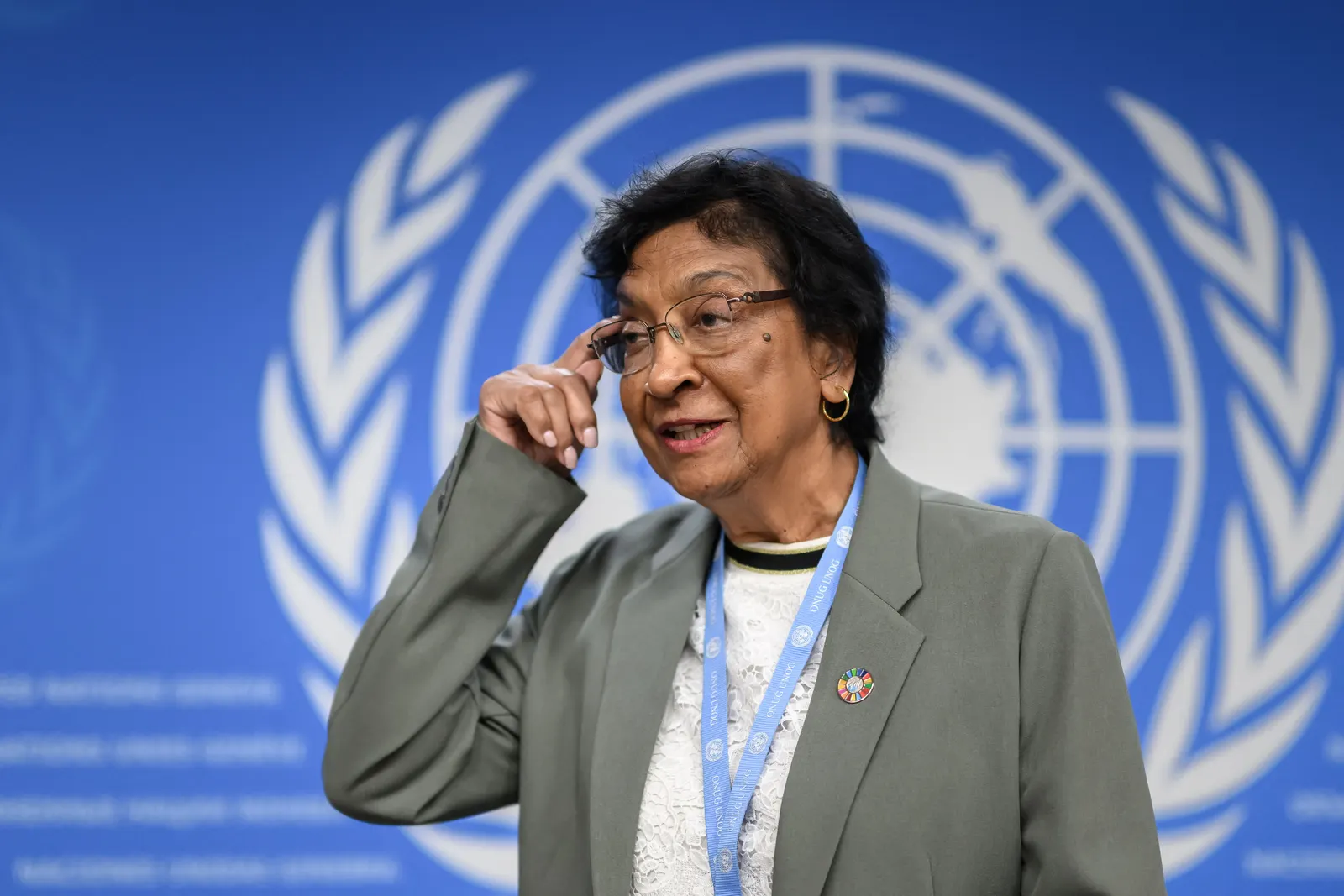
The sanctions were announced on the same day that Navi Pillay, a South African jurist and founding ICC judge, was awarded the Nobel Peace Prize, according to the Hindustan Times and Middle East Eye. Netanyahu's office criticised Pillay and the Nobel committee; those statements and the reported award have not been independently confirmed in the dossier.24
Why it matters
The ICC has 125 member states, including several European countries that have restated support for it. The restrictions could affect the court's access to services supplied by US companies, while the grace period gives member states time to maintain payments and respond to Washington's stated concerns.12
Videos
Related stories
Version history
- version 1 ·