Health · United States of America
US rallies demand action against sexual violence
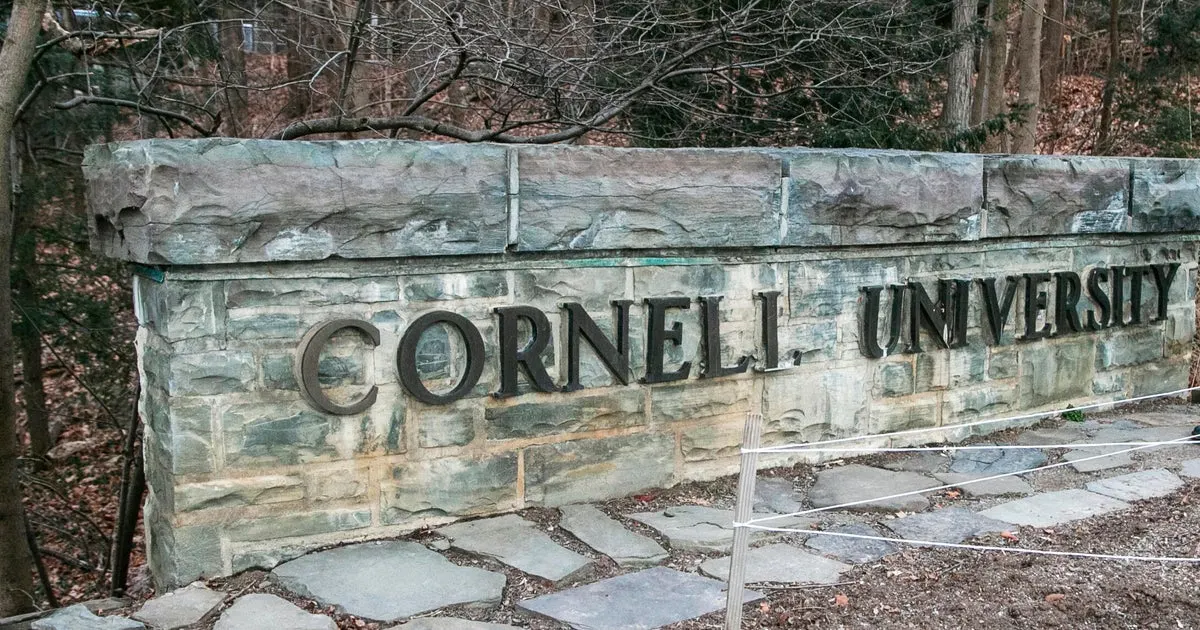
Protesters gathered at campuses and city halls across the United States, with a flagship rally in New York City focused on cases linked to Cornell University and Louisiana State University.
US protesters called for action against sexual violence, focusing on campus cases, Cornell reforms and survivor protections.
- More than 200 US rallies were planned.
- New York protesters gathered outside the state Supreme Court.
- Organizers made five demands of Cornell.
- Campaigners sought restored Title IX enforcement powers.
- Consent education was a central policy issue.
What's new
- More than 200 rallies were planned across the United States.
- New York protesters called for changes at Cornell and restoration of Title IX powers.
- A New York resolution backed a framework for teaching consent.
- Organizers also demanded justice for Kendall Francis.
According to The Guardian, tens of thousands rallied nationwide on 10 October, assembling at municipal buildings and university campuses to demand an end to sexual violence. In New York City, survivors, students and organizers assembled outside the New York State Supreme Court for the Stop Sexual Violence rally, where they highlighted allegations involving Cornell University and Louisiana State University.12
New York demands
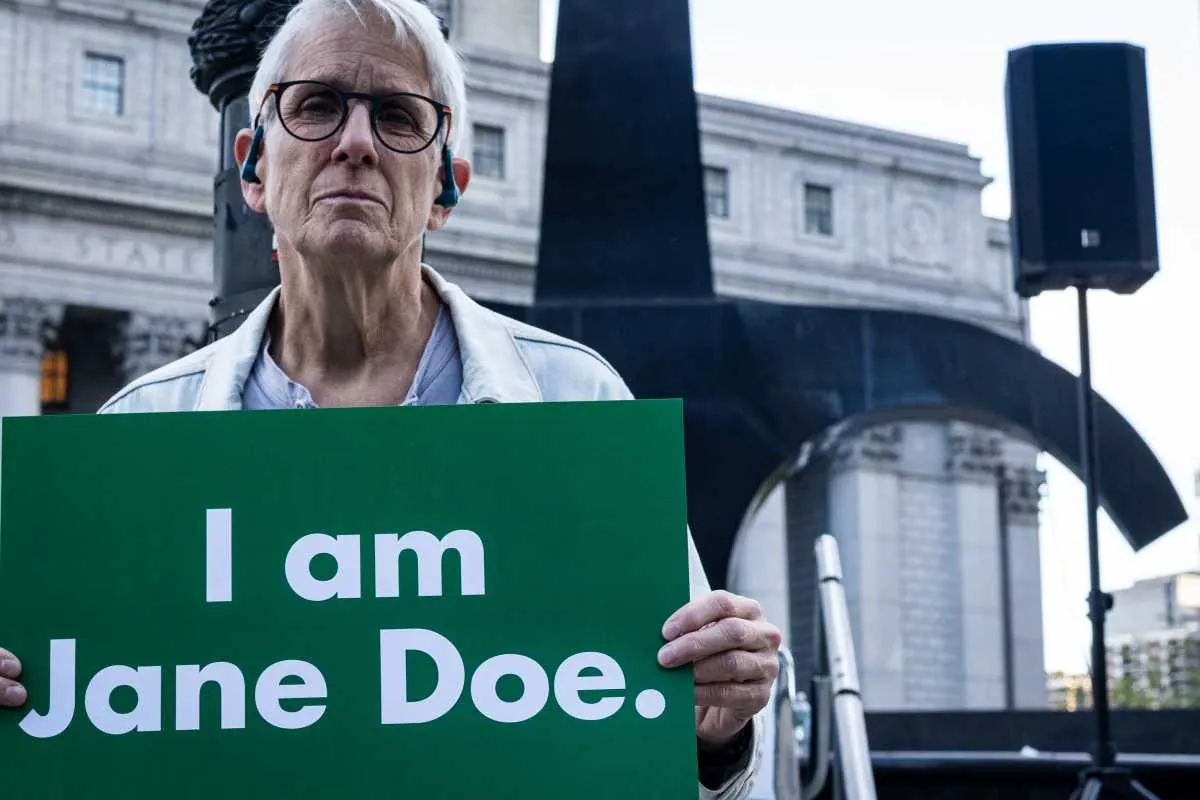
The New York protest took place in Foley Square, outside the court where Cornell’s Jane Doe filed a civil case against Cornell University and Chi Phi Fraternity, according to amNewYork. Demonstrators chanted “I Am Jane Doe” in solidarity with survivors and called for an end to rape culture. The rallies followed public concern about the handling of campus sexual-assault cases at Cornell and LSU, The Guardian reported.12
The Guardian reported that Jane Doe alleges seven students sexually assaulted her after she was drugged at a Cornell fraternity event. Kendall Francis alleges that a player on LSU’s football team raped her. Organizers called for justice for both women and for other survivors, while stressing that the protests concerned sexual violence beyond the two campus cases.12
Ella Duncan-High, organizing director of Feminist Generation and a George Mason University student, presented five demands developed by Cornell students. According to amNewYork, the proposals called for perpetrators to be expelled or stripped of degrees; changes to Cornell policy 6.4 establishing independent proceedings and baseline penalties; an external review of the administration; prevention and trauma-informed policing training; and complete adherence to New York State’s Enough is Enough law. “We should not have to beg these powerful and rich institutions for basic protection,” Duncan-High said.2
Federal protections and education
The groups co-anchoring the rally also sought federal protections for survivors and restoration of Title IX enforcement powers, according to amNewYork. The Guardian reported that the Trump administration had gradually removed Title IX protections affecting victims of sexual misconduct and LGBTQ+ students. Rachel O’Leary Carmona, executive director of the Women’s March, said delays by elected officials that impede justice for survivors were unacceptable.12
Consent education was another focus. Ben Tee said New York state legislators had passed a resolution supporting a framework for teaching consent. New York state legislation would make consent education compulsory in school curricula, according to The Guardian, which also reported that studies indicate such education can lower rates of victimization and perpetration. Tee said: “After the assault is just too late.”1
Men at the rally
The Guardian reported that men attended the New York rally carrying “I Am Jane Doe” signs and calling for an end to rape culture. Interviewees described challenging misogynistic or objectifying language, recognizing discomfort in social settings and teaching boys about appropriate behaviour and consent. Nicola Francia said: “We all have to be very aware of whether someone is feeling uncomfortable or whether you are making someone uncomfortable.”1
Shalin Upadhyay said objectifying language and the normalized treatment of women could develop into rape, while victim blaming could follow an assault. Daniel Olivier said he had encountered misogynistic behaviour throughout his life and had opposed it. Kaif Gilani described seeking to intervene in daily life, saying: “Hey, I need to put an end to this in any way that I can in my day-to-day life.”1
Why it matters
For readers in Europe, the protests offer an account of how US campaigners are linking campus procedures, survivor protections and consent education. The New York rally’s demands focused on institutional responses as well as individual conduct, while the proposed state curriculum measure placed prevention in schools.12
Related stories
Version history
- version 1 ·