Climate · United States of America
US Supreme Court Opens Term With Boulder Climate Liability Case
The justices are considering whether federal law blocks Colorado communities from pursuing ExxonMobil and Suncor Energy under state law. The decision could affect numerous climate-damages lawsuits.
The Supreme Court is deciding whether federal law blocks Boulder’s state-law climate claims against ExxonMobil and Suncor. The outcome could shape numerous similar government lawsuits.
- Boulder filed its lawsuit in April 2018.
- Colorado’s highest court allowed the claims to proceed.
- The Trump administration supports the energy companies.
- Nearly 60 governments have filed similar cases, Reuters reported.
- Alito’s recusal leaves eight justices hearing the dispute.
What's new
- The Supreme Court heard the Boulder dispute as its new term opened.
- The justices are weighing federal pre-emption, jurisdiction and pre-trial review.
- Justice Samuel Alito recused himself before the hearing.
- A ruling for the companies could prompt dismissal of many similar cases.
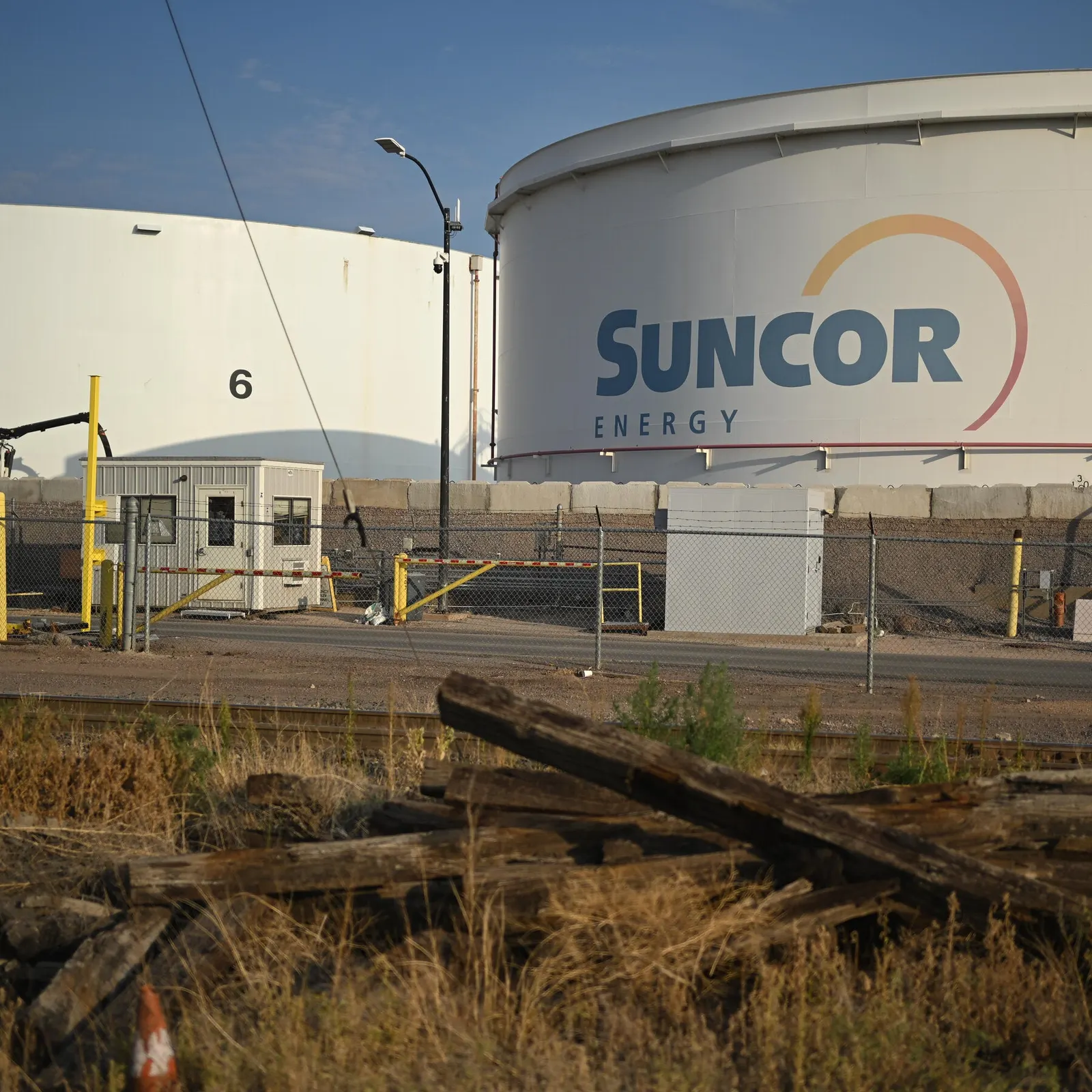
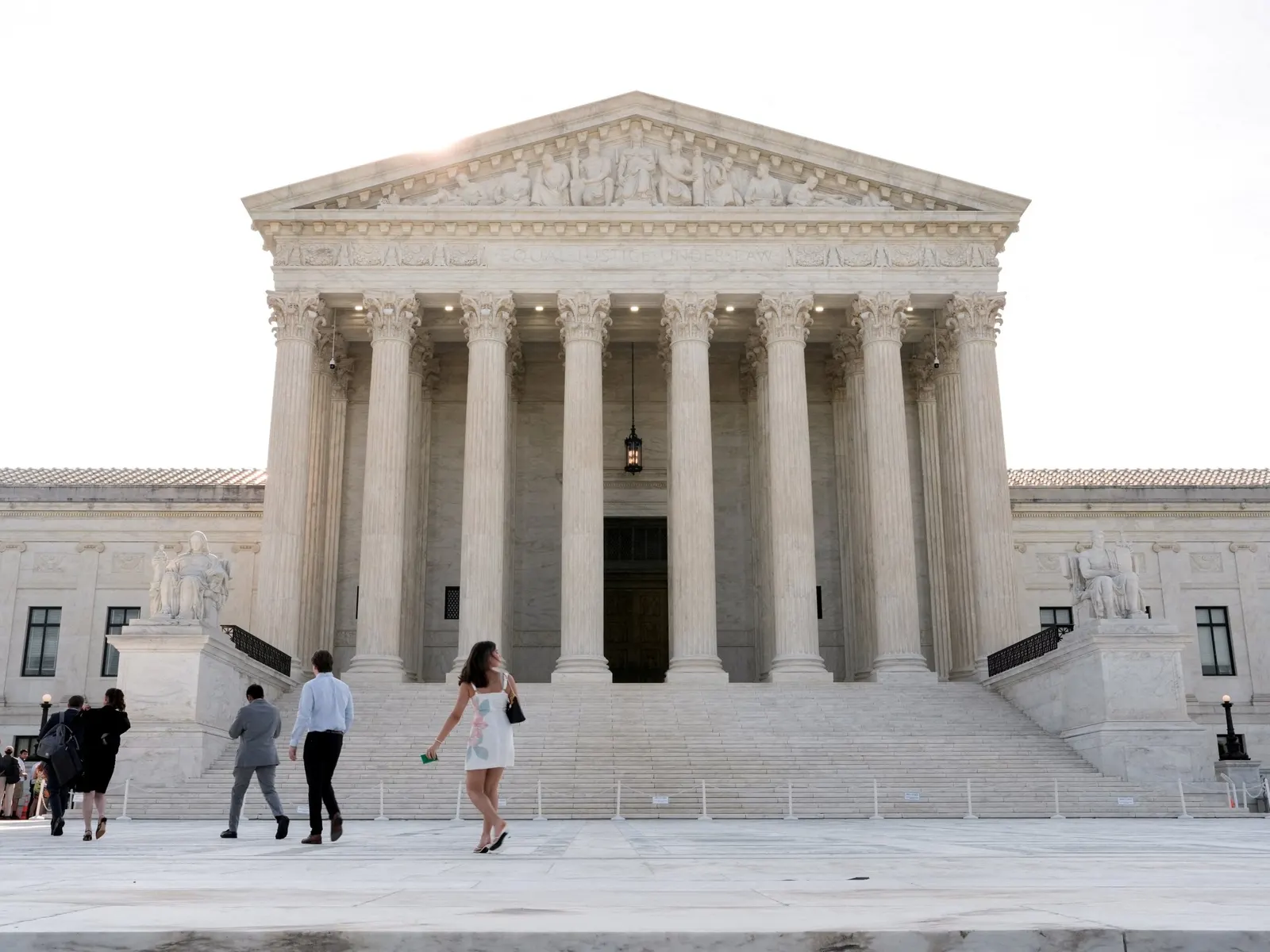
The US Supreme Court began its new term on Oct 5 by hearing a dispute over whether Boulder County and the City of Boulder in Colorado may pursue climate-damage claims against ExxonMobil and Suncor Energy under state law. The justices are considering federal pre-emption and jurisdictional questions that could affect similar litigation brought by other governments.1246
Boulder’s claims
Boulder County and the City of Boulder filed the lawsuit in April 2018. They allege that ExxonMobil and Suncor knowingly contributed to harmful changes in the climate, concealed dangers associated with their products and misled the public. Those allegations have not been resolved at trial.14
The plaintiffs seek to recover expenses related to infrastructure, the environment, emergency response and public health. According to Boulder County, the case is intended to secure payment for harms affecting local communities rather than to regulate emissions or halt fossil-fuel production.46
One account said the plaintiffs attributed hundreds of millions of dollars in losses to wildfires, flooding and other weather extremes linked to climate change. The Associated Press portrayed the case as linked to the personal toll and economic damage from Colorado wildfires and other increasingly severe disasters.12
The companies’ defence
The oil companies argue that lawsuits are not the appropriate mechanism for addressing a global problem. They argue that the suit effectively seeks to control greenhouse-gas emissions and, one report said, could create a hefty carbon levy capable of driving the energy sector into insolvency.12
The justices are examining whether the Clean Air Act overrides Boulder’s case, whether the Constitution bars litigation of this kind, and whether the court can intervene before a trial occurs. The administration of President Donald Trump supports the companies and urged the court to take the case.126
The companies previously failed in attempts to move the dispute into federal court or have it dismissed in Colorado courts. In May 2025, Colorado’s highest court held that federal law did not override Boulder’s case, permitting it to proceed under state law.14
A wider field of litigation
Estimates of the number of related cases vary. One report put the total at roughly 40 cases filed by municipalities, states, tribes and other local bodies; another reported that almost 60 state and local governments had launched analogous claims for billions of dollars. A ruling for ExxonMobil and Suncor could lead to many of those cases being dismissed, Reuters reported.16
The potential exposure for the oil industry could run into billions of dollars, according to the Associated Press and The New York Times. An adverse decision for Boulder could also impede an appeal seeking to revive New York’s climate superfund law, which a federal judge struck down in September, The Straits Times reported.123
Pace University environmental-law professor Katrina Kuh said a ruling confined to whether the court may intervene before trial would merely postpone the broader legal questions. She said a decision on the federal-law issues could instead eliminate many pending cases. William & Mary law professor Jonathan Adler, who filed a brief supporting Boulder, described the climate cases as legally “viable” without taking a position on their underlying merits.1
An eight-member court
Justice Samuel Alito recused himself before the hearing because of oil and gas stock holdings, The Straits Times reported. His absence leaves the court with five conservative and three liberal justices and creates the possibility of a 4-4 division. Such a split would leave the Colorado ruling intact and permit Boulder’s case to move towards trial.1
According to Adler, Amy Coney Barrett, Neil Gorsuch and Clarence Thomas had earlier signalled doubts about broad interpretations of pre-emption.1
Why it matters
For European readers following climate litigation, the case is a significant test of whether local governments can use state law to seek climate-related costs from energy companies. Reuters reported that almost 60 state or local governments have brought comparable cases, and that a win for ExxonMobil and Suncor could cause many of them to be thrown out.26
Related stories
Version history
- version 1 ·