World · Yemen
Yemeni government forces leave Bab el-Mandeb area as Houthis take control
Forces supporting Yemen’s Saudi-backed government have withdrawn toward Aden, leaving the Houthis controlling an area overlooking the maritime chokepoint.
Listen to the story
Short version
Government-aligned Yemeni forces have withdrawn from the Bab el-Mandeb area, leaving the Houthis in control. Southern forces say they are redeploying to defend Aden.
- The withdrawal increases Houthi leverage over a maritime chokepoint.
- Southern forces say Aden’s security is their priority.
- The escalation broke the 2022 UN-brokered truce.
- Besieged Taiz city cannot receive aid, and civilians cannot leave.
What's new
- Government-aligned forces have withdrawn from the Bab el-Mandeb area.
- The Southern Armed Forces say their redeployment prioritises Aden’s security.
- The withdrawal increases Houthi leverage over a route used by global shipping.
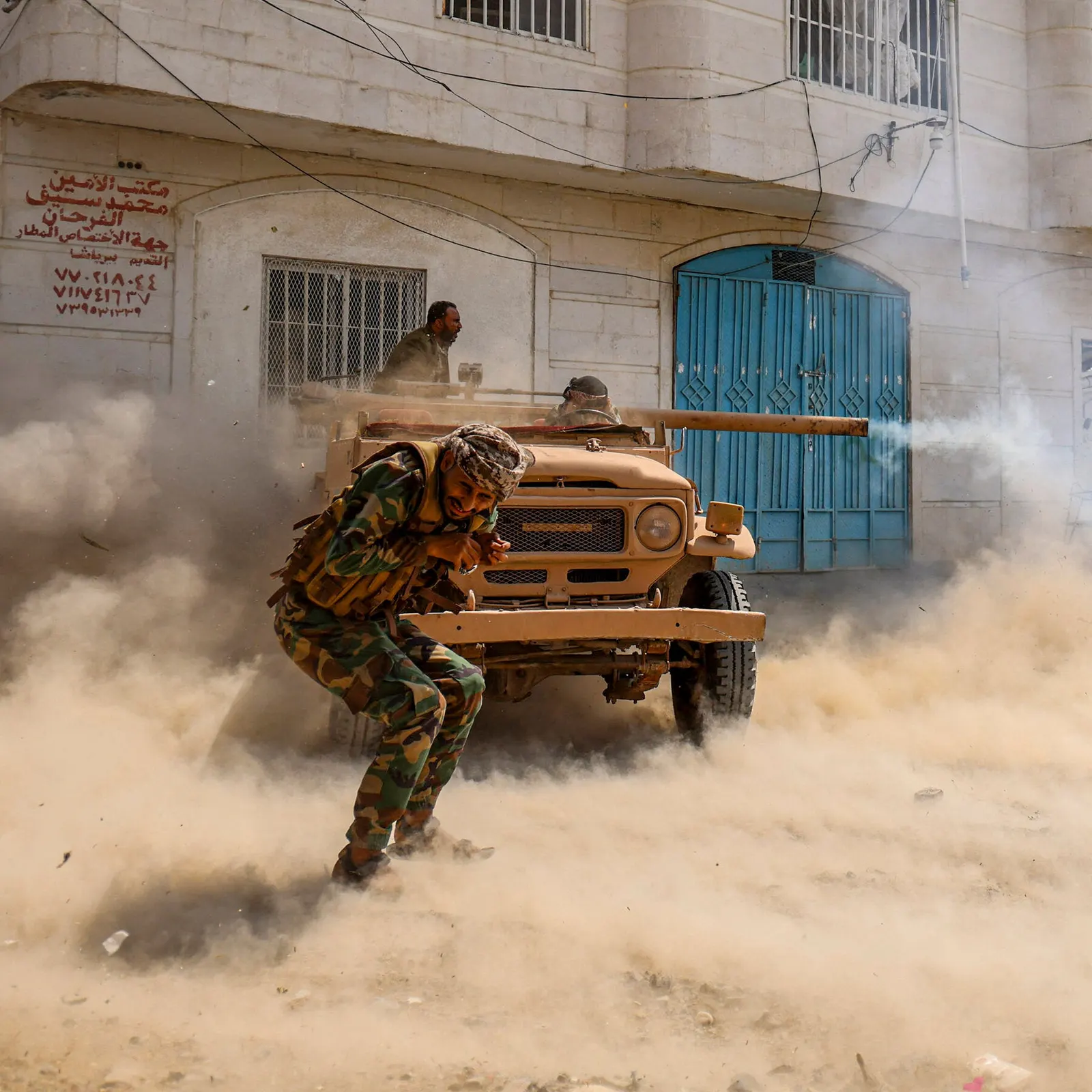
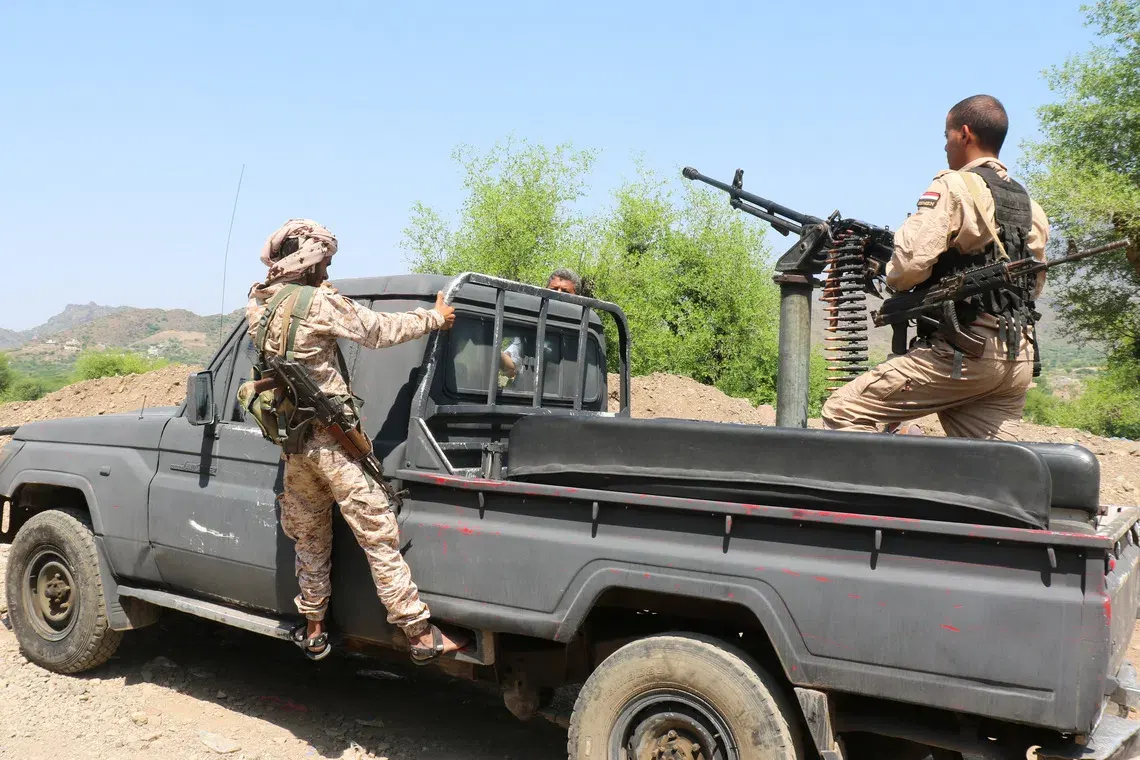
Forces fighting for Yemen’s internationally recognised, Saudi-backed government have withdrawn from an area overlooking the Bab el-Mandeb Strait, according to reports published on November 15, 2026, leaving the Houthis in control as southern forces move toward Aden.13
Forces turn toward Aden
The Southern Armed Forces said the movement involved troops at Dhubab Airport and in the Bab el-Mandeb area. They described the redeployment as a measure to protect Aden and neighbouring governorates, reinforce front lines and respond to threats. The airport and the strait-side area are in western Taiz Governorate.13
The announcement comes as the Houthis put increasing pressure on government-held areas in southern Yemen. The New York Times reported that Saudi-backed forces said they were leaving Yemen’s Red Sea coast after weeks of fighting to regain strategically important territory from the group.123
Aden is the government’s base. According to The New York Times, it has served as the seat of the internationally recognised administration for more than a decade, after the Houthis took Sanaa. The Houthis now hold much of northern Yemen, including the capital and the country’s most heavily populated areas.123
Coastal campaign and maritime pressure
The withdrawal follows a Houthi push south in September aimed at capturing Yemen’s entire Red Sea coast. Government forces began a campaign in October to recover strategic coastal territory from the group. As a result of the fighting, the Houthis advanced close to Bab el-Mandeb, an area from which government-aligned forces have since withdrawn.13
Control of the area overlooking the strait gives the Houthis more leverage over the maritime chokepoint, increasing pressure on global shipping. At the same time, continued Iranian interference with shipping in the Strait of Hormuz is putting two sea routes on either side of the Arabian Peninsula under strain.13
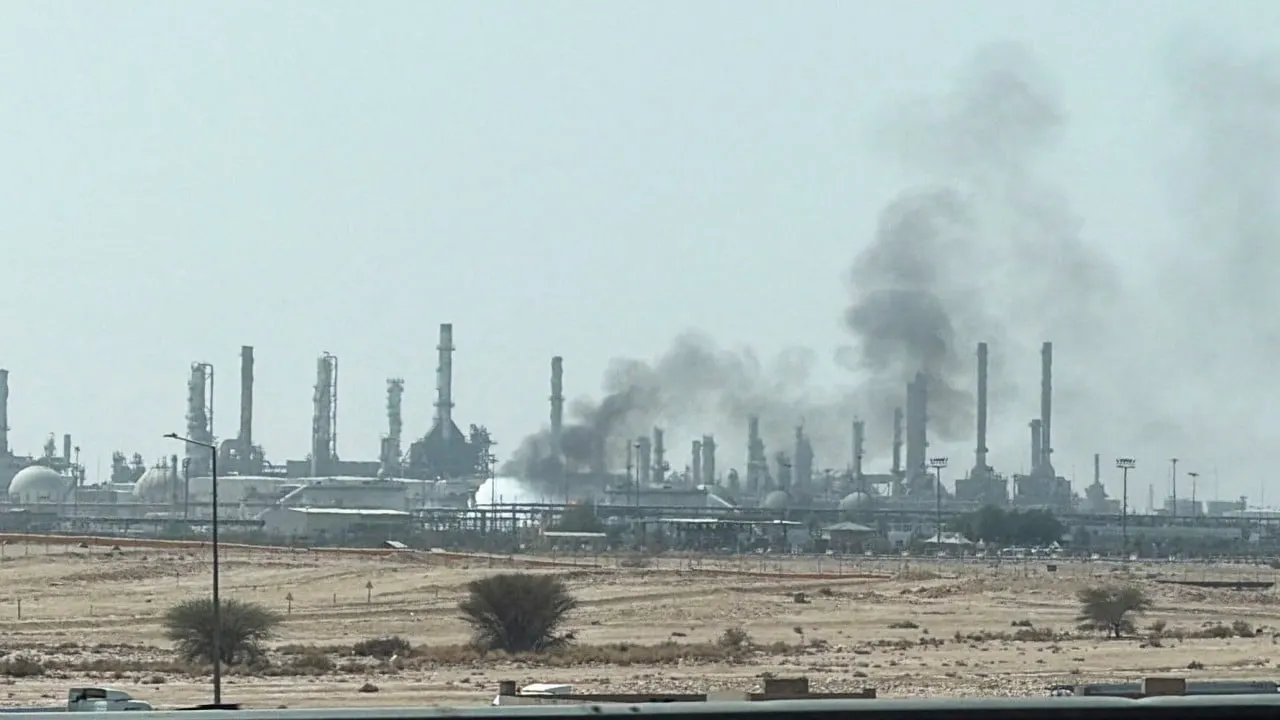
The escalation broke the truce brokered by the United Nations in 2022. Houthi attacks on Saudi Arabia hit ports, airports and oil facilities, disrupting flights and oil supplies. Saudi Arabia responded with strikes against Houthi targets inside Yemen.13
Civilians trapped in Taiz
Fighting has also intensified around the western region of Taiz. Of the approximately 300,000 people uprooted throughout Yemen during the latest clashes, around one in two are sheltering in Taiz city. The city remains under siege: aid cannot enter, and civilians are unable to leave.13
Ahmed Nagi, a senior Yemen analyst at the International Crisis Group, told The New York Times: “The Houthis are very determined to go to Aden”. His assessment points to the pressure facing the government’s base; the Southern Armed Forces themselves cited battlefield developments and threats to Aden in explaining their redeployment.2
Why it matters
For European readers, the international significance lies in the pressure on global shipping and oil supplies. Greater Houthi leverage at Bab el-Mandeb coincides with Iranian disruption at Hormuz, while Houthi attacks on Saudi Arabia have already disrupted oil supplies.13
Videos
Related stories
Version history
- version 1 ·