Climate · Brazil
Brazilian Amazon deforestation reaches lowest level since records began in 1988
Government figures show 3,335 square kilometres were cleared between August 2025 and July 2026. The release comes before the presidential runoff between Lula and Flávio Bolsonaro.
Listen to the story
Short version
Brazil reported its lowest Amazon deforestation total since monitoring began in 1988, ahead of the presidential runoff.
- Amazon clearance totalled 3,335 square kilometres from August 2025 to July 2026.
- Reported annual clearance fell by nearly 42%.
- Lula seeks to end illegal deforestation by 2030.
- The monitoring system does not determine whether clearance was legal.
What's new
- New government data put Brazilian Amazon clearance at its lowest recorded level.
- The annual cleared area fell by nearly 42%, according to published figures.
- The environment ministry also reported a record low for Cerrado deforestation.
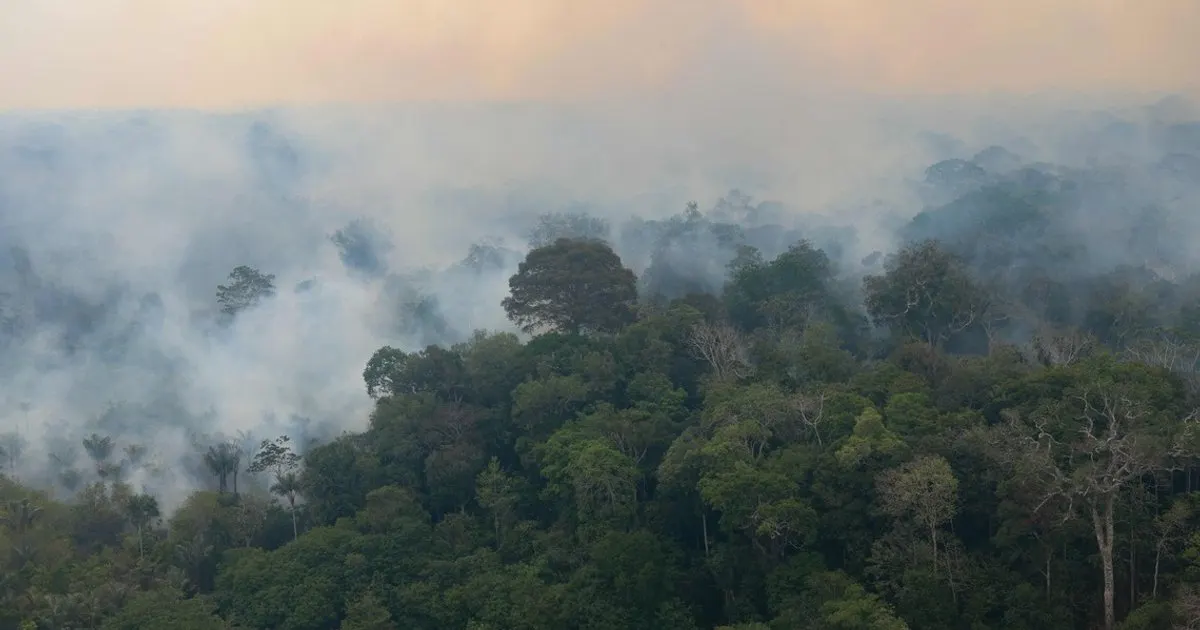
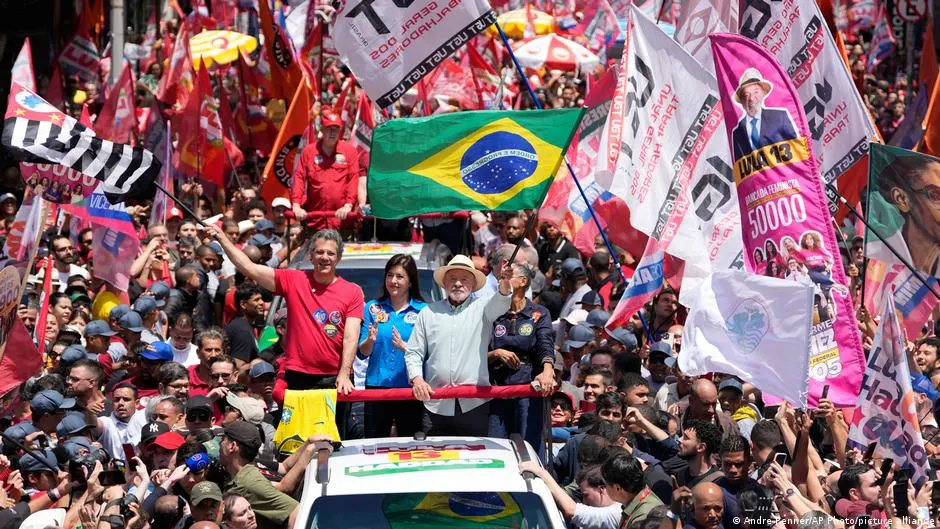
Brazil’s government released figures on October 16 showing that deforestation in the Brazilian Amazon reached its lowest level since monitoring began in 1988, with 3,335 square kilometres cleared between August 2025 and July 2026. The announcement comes ahead of the October 25 presidential runoff between incumbent Luiz Inácio Lula da Silva and Flávio Bolsonaro.234
A decline across four years
The Guardian reported an annual reduction of 41.8%, while The Straits Times described the fall as nearly 42%. Both reported that deforestation had dropped cumulatively by 71.2% since 2022. According to the Guardian, the latest annual total was 1,236 square kilometres below the previous record low.23
The government also reported less clearance in the Cerrado, Brazil’s neighbouring savannah biome. The environment ministry put the annual total there at 5,516.69 square kilometres, the lowest figure in a monitoring series that began in 2001. It said the Matopiba states accounted for 74.3% of that total.4
Enforcement and measurement
The Guardian attributed much of the Amazon slowdown to tougher enforcement and government spending on environmental agencies. The BBC reported that Lula had strengthened environmental monitoring and penalties for illegal logging, after forest clearance rose and protection resources were reduced under Jair Bolsonaro.12
The environment ministry described its approach as combining satellite observation, enforcement, territorial planning and incentives for sustainable production. It said Ibama carried out 76,095 enforcement actions from 2023 to 2026 and issued 25,101 notices for flora-related infractions, with associated fines totalling R$11.8 billion.4
The measurement has a qualification relevant to Lula’s pledge to eliminate illegal deforestation by 2030. According to the ministry, Prodes measures the annual area of native vegetation removed, expressed in square kilometres, but does not establish whether that removal was authorised.134
An election approaching
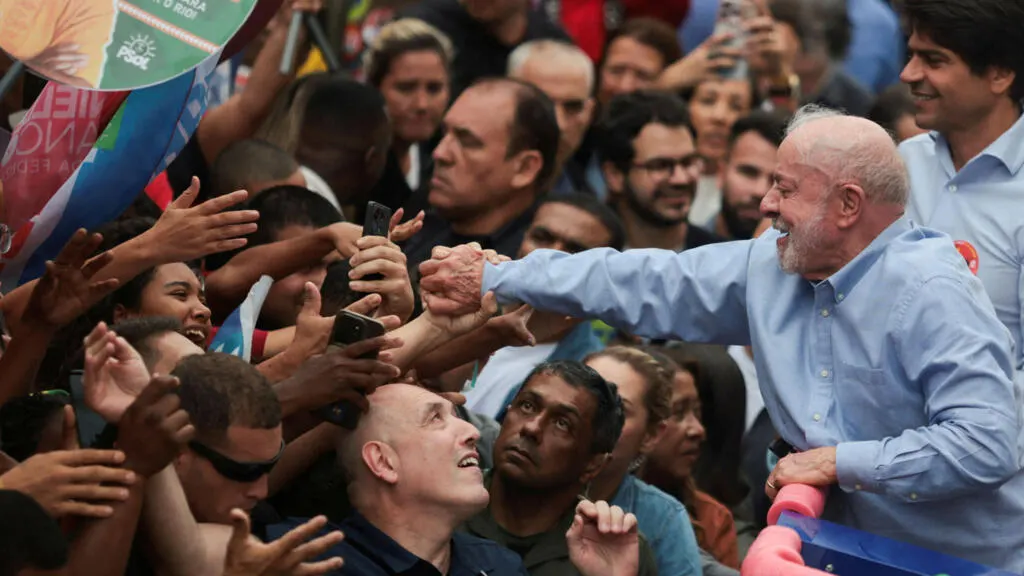
The Straits Times reported that polls showed Lula and Flávio Bolsonaro running level ahead of the runoff. It said that when Lula returned to office, he pledged to stop farmers and illegal miners from unlawfully clearing forests after such activity had increased during Jair Bolsonaro’s presidency.3
The figures showed that Brazil was capable of ending forest destruction, according to Climate Observatory executive secretary Marcio Astrini, who said achieving that outcome depended on the election. “However, everything depends on the election result,” he told the Guardian. His assessment places the latest decline alongside the question of future environmental policy.2
The BBC described the wider environmental significance of protecting tropical rainforests: they shelter millions of species and absorb large quantities of carbon dioxide. It also reported that these forests face pressure from agricultural clearance, logging and climate change, which can create conditions conducive to wildfires.1
Why it matters
For European readers, the relevance extends beyond Brazil’s borders: healthy tropical rainforests absorb carbon dioxide and help moderate the planet’s temperature, according to the BBC. The Amazon figures therefore concern both forest conservation and the greenhouse gases driving global warming.1
Related stories
Version history
- version 1 ·