World · Brazil
Brazil votes as Lula and Flavio Bolsonaro face tight presidential race
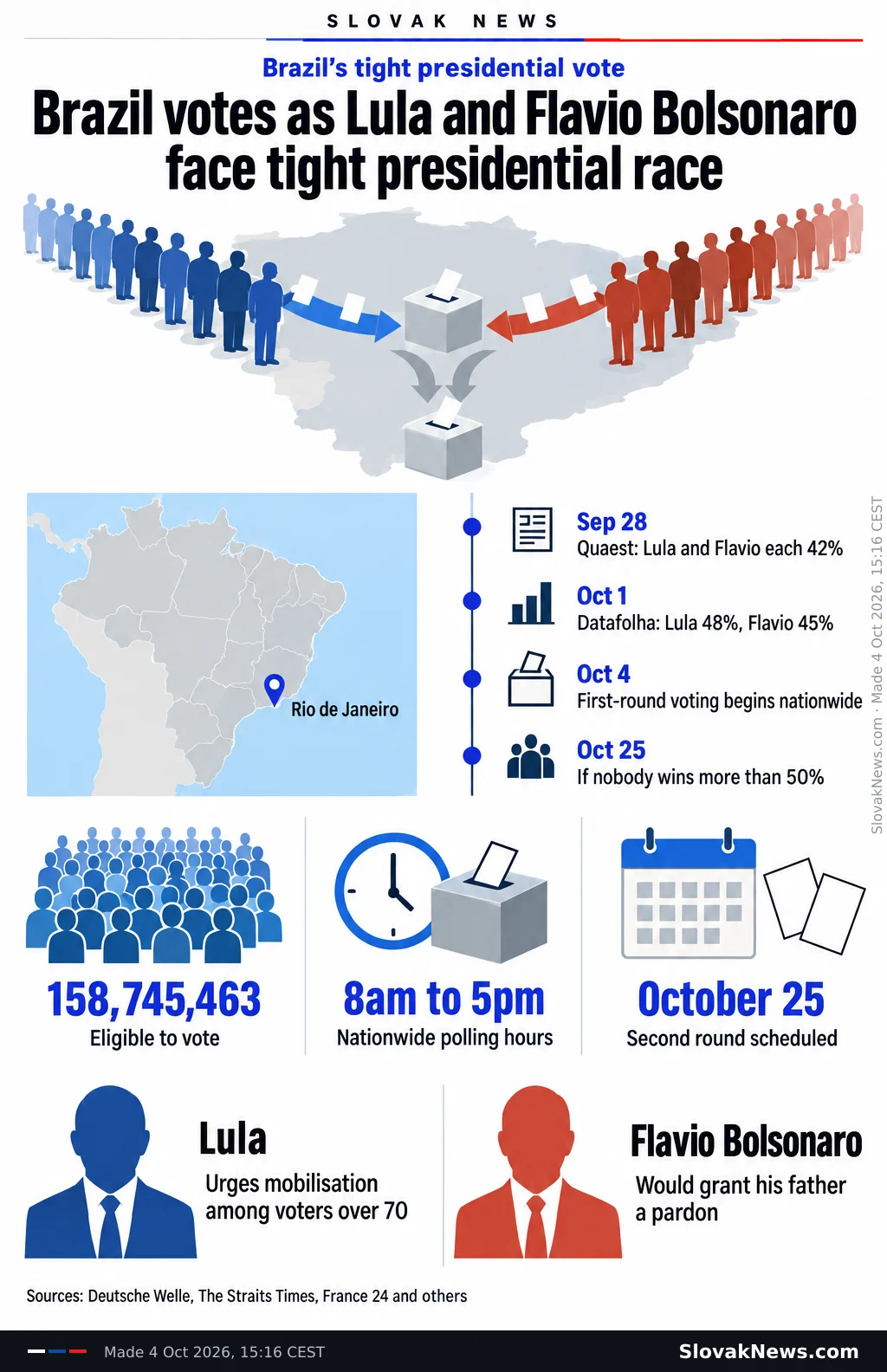
Brazilians are voting in the first round of a closely contested presidential election. Surveys suggested Lula and Flavio Bolsonaro might face each other in a second-round vote on October 25.
Listen to the story
Short version
Brazil is voting in a close presidential election between Lula and Flavio Bolsonaro. Polls indicated that an October 25 runoff was likely.
- More than 158.7 million people were eligible to vote.
- Polling was open nationwide from 8am to 5pm.
- Runoff surveys placed the candidates within a few points.
- A second round is scheduled for October 25.
- Congressional and gubernatorial posts are also being decided.
Infographic
What's new
- Voting began nationwide on October 4.
- Final polling pointed towards an October 25 runoff.
- Both leading candidates said they could win outright.
- Voters are also choosing lawmakers, senators and governors.
On October 4, 2026, Brazil opened nationwide voting in a presidential contest between Lula and Flavio Bolsonaro, identified by France 24 as Lula’s leading rival. Polling stations were scheduled to open from 8am to 5pm Brasília time for the first round.136
Infographic
A final push for votes
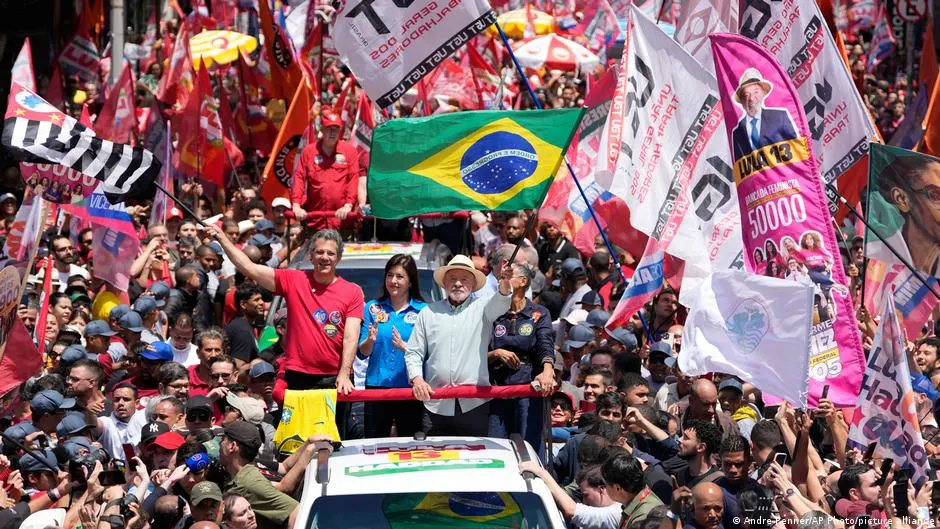
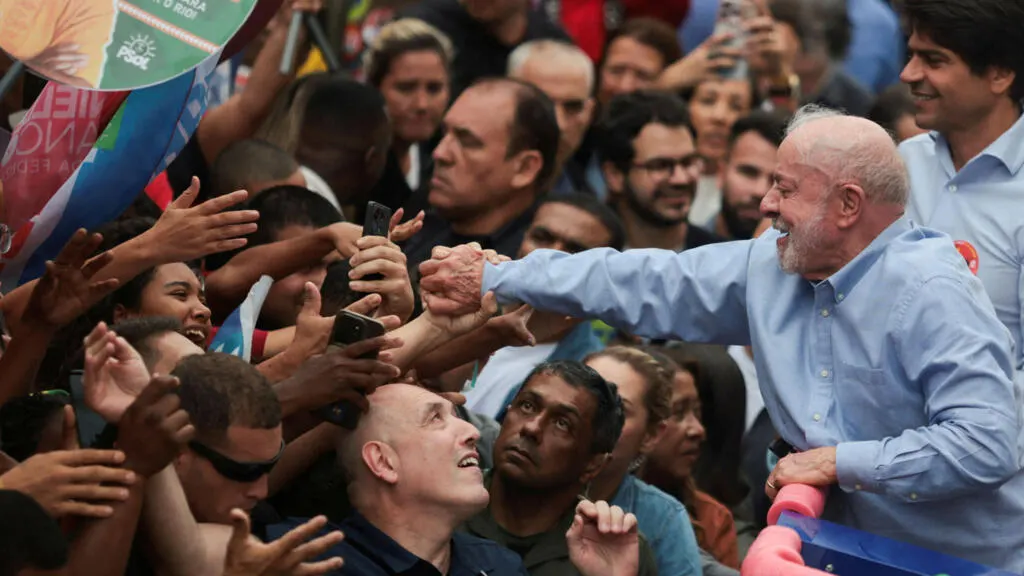
The two leading candidates concluded their campaigns after seeking support in São Paulo, Brazil’s largest electoral college, which has 34,104,226 voters. Deutsche Welle reported that Lula toured the state and addressed a rally that organisers said drew about 150,000 supporters, while Flavio Bolsonaro led a motorcycle parade through Santa Bárbara d’Oeste and Americana.16
Lula’s campaign said he made a closing appeal during a march in Rio de Janeiro on October 2 and urged intensive mobilisation, particularly among voters over 70. He presented the election as a decision about Brazilian democracy. Flavio Bolsonaro, meanwhile, said he believed he could secure victory in the first round; Reuters also reported that both candidates claimed they could win outright.157
Polls point towards a runoff
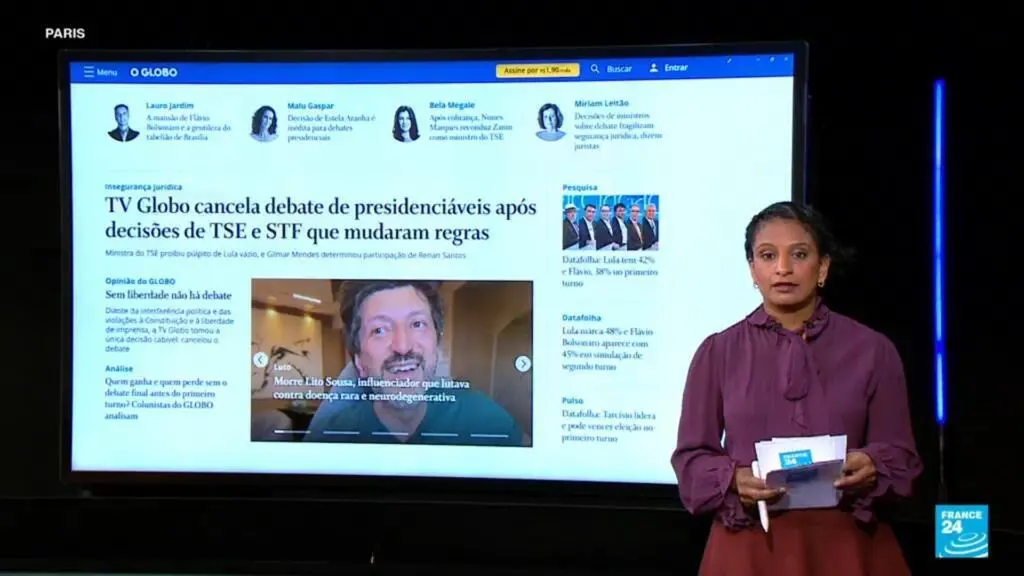
The final surveys depicted a contest without a clear outcome. A Datafolha poll reported on October 1 put Lula on 42% and Flavio Bolsonaro on 38% in the first round. Its runoff simulation placed Lula on 48% and Bolsonaro on 45%, still a technical tie under the survey’s two-point margin of error.5
A Quaest survey reported on September 28 placed Lula ahead by 39% to 34% in the first round but measured the candidates at 42% each in a possible second round. Deutsche Welle cited a later Quaest first-round result of 46% for Lula and 45% for Bolsonaro. Final polling reported by Reuters indicated that a runoff was likely on October 25.15
If nobody receives more than 50% of valid votes, the two leading candidates will compete in that second round. The electoral court said 158,745,463 people were eligible to participate in the October 4 vote.26
Contrasting political paths
Lula, 80, is seeking what Deutsche Welle described as a fourth and final non-consecutive presidential term. According to France 24, Lula beat Jair Bolsonaro four years earlier by 2.1 million ballots, a lead of slightly less than two percentage points.13
The Straits Times said that Flavio Bolsonaro, 45, is trying to restore the right-wing political force led by his father to government. Deutsche Welle reported that he has represented Rio de Janeiro in the Senate for the Liberal Party since 2019. He has said he would pardon his father, while other reporting described his proposal as an amnesty.12
Jair Bolsonaro is serving a prison sentence of more than 27 years after being convicted over an attempt to overturn his 2022 election loss, according to the cited reports. France 24 also reported that the Trump administration sanctioned a Brazilian Supreme Court justice who chaired the investigation leading to that sentence.123
US relations and legislative elections
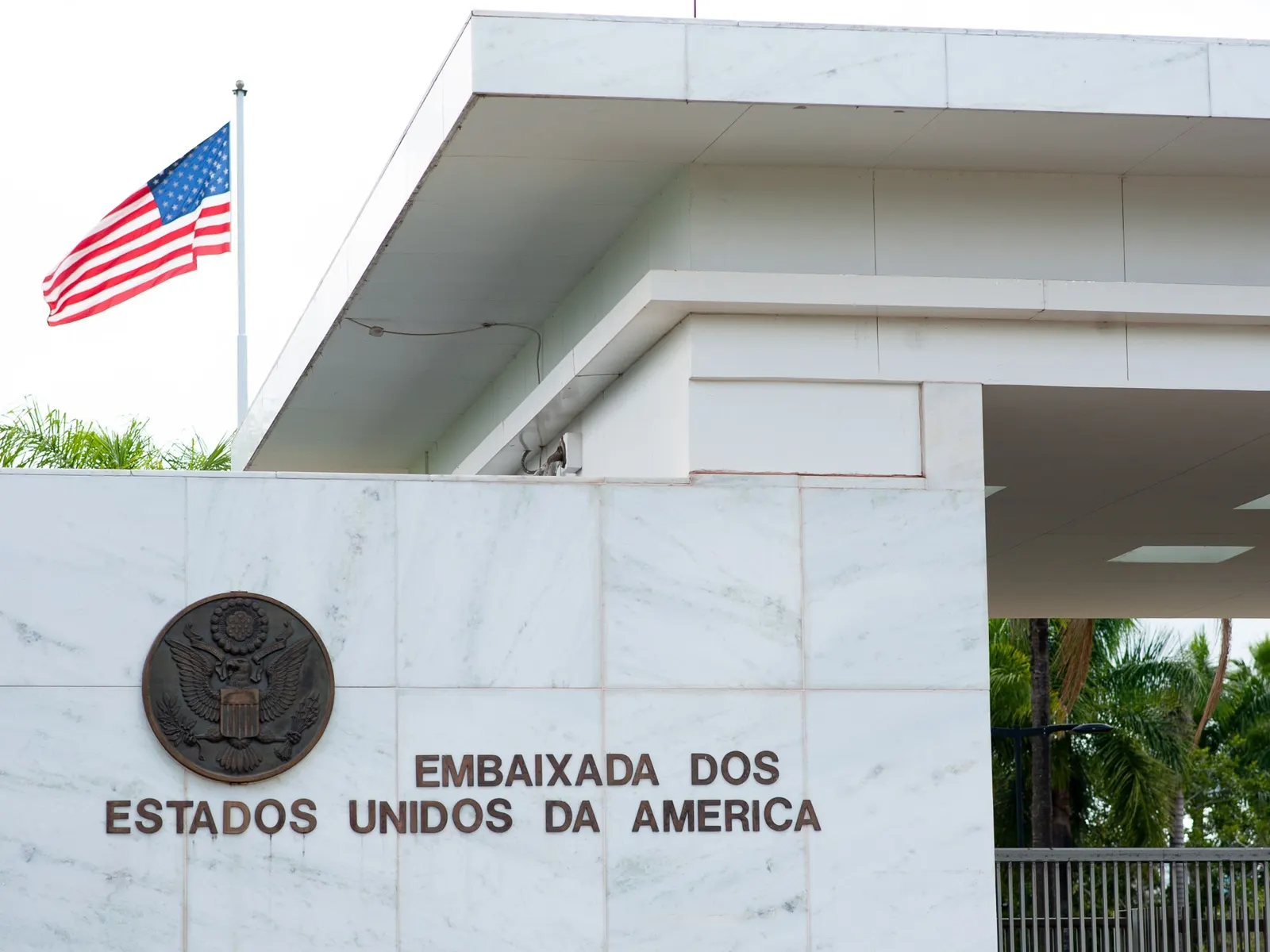
The campaign has also involved tensions with the United States. According to The Straits Times, President Donald Trump introduced a 50% duty on Brazilian goods in 2025, connecting the move to Jair Bolsonaro’s trial; the United States denied meddling in Brazil’s affairs. MercoPress reported that Trump had not endorsed either leading candidate.24
Lula warned that “Brazil’s sovereignty is at stake” amid pressure from Trump. Flavio Bolsonaro highlighted his US ties and said Brazil needed better agreements with Washington, including over rare-mineral resources. France 24 reported that Brazil estimates its rare-mineral deposits at as much as 21 million tonnes, second only to China.3
The election extends beyond the presidency. Voters are also selecting governors, all 513 members of the lower house and 54 of the Senate’s 81 members.23
Why it matters
The contest has implications for Europe because Brazilian intelligence officials reportedly briefed a French and German delegation about alleged US and Russian interference. The candidates’ differing approaches to Washington and Brazil’s estimated rare-mineral resources also place foreign relations and strategic materials within the campaign debate.23
Videos
Related stories
Version history
- version 1 ·