Business · People's Republic of China
China opens anti-dumping inquiry into EU chemical imports
The investigation into p-nitrotoluene comes before two days of EU-China trade meetings in Beijing. Chinese producers allege that low-priced imports have harmed their operations.
China is investigating alleged dumping of an EU industrial chemical shortly before senior EU and Chinese officials meet in Beijing. The case adds to existing trade disputes between the two sides.
- The investigation covers EU p-nitrotoluene imports.
- Chinese producers allege damage from low-priced shipments.
- The inquiry may continue into 2028 if extended.
- EU-China talks are scheduled for October 8–9.
- No finding of dumping has yet been reported.
What's new
- China opened the investigation on October 3.
- Two Chinese chemical companies filed the industry petition.
- The inquiry may run until October 2027 and could be extended.
- EU-China trade talks are scheduled for October 8–9.
China’s Commerce Ministry opened an anti-dumping investigation on October 3, 2026, into p-nitrotoluene imported from the European Union, examining claims that low-priced shipments are entering the Chinese market and harming domestic producers. The action was announced days before senior EU and Chinese officials were due to meet in Beijing for trade talks.1235
Industry petition prompts inquiry
The ministry said the case followed a September 14 petition from Jiangsu Huaihe Chemical and Hubei Dongfang Chemical on behalf of the domestic industry. According to the ministry notice, import volumes from the EU remained high in 2022 while prices fell by almost 60%, allegedly causing harm to Chinese producers. The investigation will determine whether the imports were sold at unfairly low prices and whether they injured domestic production and business operations.125
P-nitrotoluene is an industrial chemical used in making dyes, pigments, pharmaceuticals and pesticides. The inquiry is expected to finish by October 3, 2027, although the authorities may extend it by six months. The opening of an investigation does not establish that dumping or injury occurred, and the dossier does not identify any immediate trade measures resulting from the case.1256
A wider series of trade measures
The Chinese action follows the EU’s opening in September of an investigation into polyvinyl chloride imports from several countries, including China. Beijing has denied that the competitiveness of Chinese manufacturers depends on state support and has warned that it would respond firmly to additional EU restrictions targeting Chinese companies or products.123
A Chinese Commerce Ministry spokesperson urged the EU to handle disagreements through negotiation, saying: “China has repeatedly reiterated that the EU needs to face its own economic and trade problems directly and resolve mutual concerns through dialogue and consultation”. Deutsche Welle reported that reciprocal restrictions could broaden into a larger EU-China trade conflict.23
The EU, meanwhile, has taken a firmer position toward Beijing because of what it regards as unfair competition in important sectors, including cars, according to The Japan Times. The outlet reported that European officials hope some exports can be managed through voluntary limits, including restrictions on hybrid cars sent to the bloc. China disputes the contention that state backing underpins its manufacturers’ competitiveness.124
Talks in Beijing
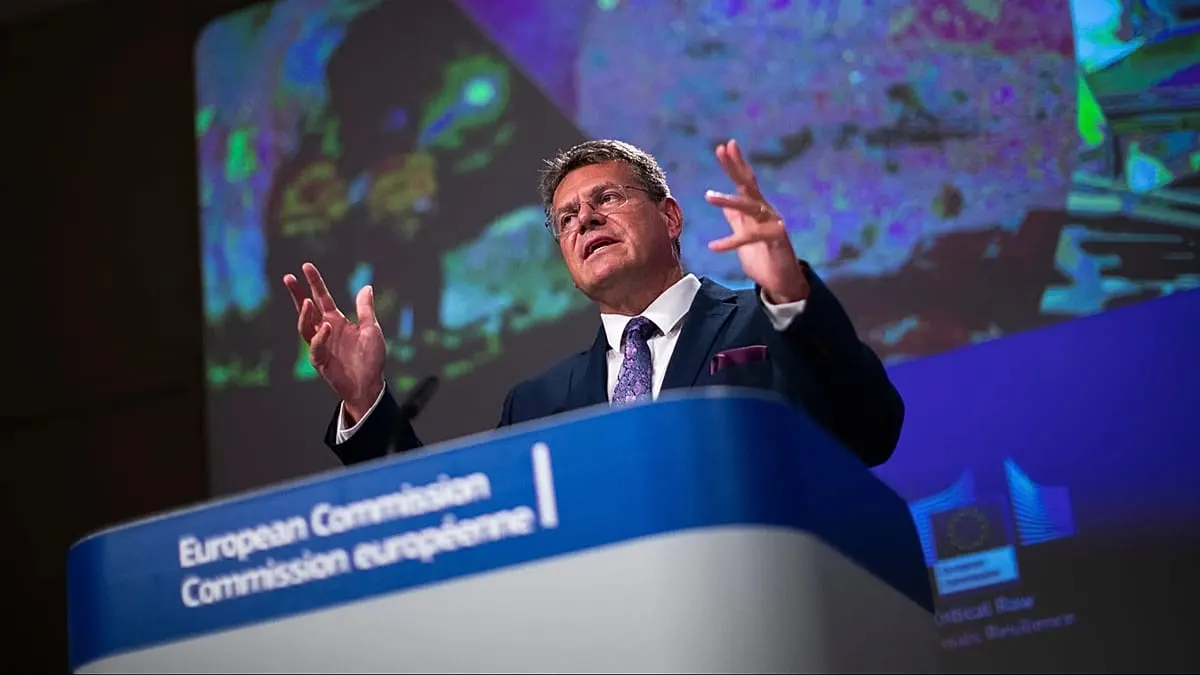
EU Trade Commissioner Maroš Sefčovič plans to travel to Beijing on October 8–9, where he will jointly lead an EU-China Trade and Investment Council meeting and hold talks with Commerce Minister Wang Wentao. Reports described the two-day meetings as an effort to prevent further escalation in trade measures and avert a wider trade conflict.1234
Euronews reported that the EU wants China to restrain exports to the European market and extend a truce concerning rare-earth exports. The same report put the EU’s trade deficit at €1 billion a day and said Chinese imports had increased by 45% over five years. Sefčovič has said the negotiations must deliver concrete outcomes, warning of “a strong political movement to push for, I would say, harsher measures” if they do not.1
Why it matters
The investigation adds another issue to a trade relationship already marked by inquiries and threatened countermeasures. For Europe, the Beijing meetings matter because EU officials are seeking limits on some Chinese exports while trying to prevent the dispute from developing into a broader trade conflict.1234
Videos
Related stories
Version history
- version 1 ·