World · United States of America
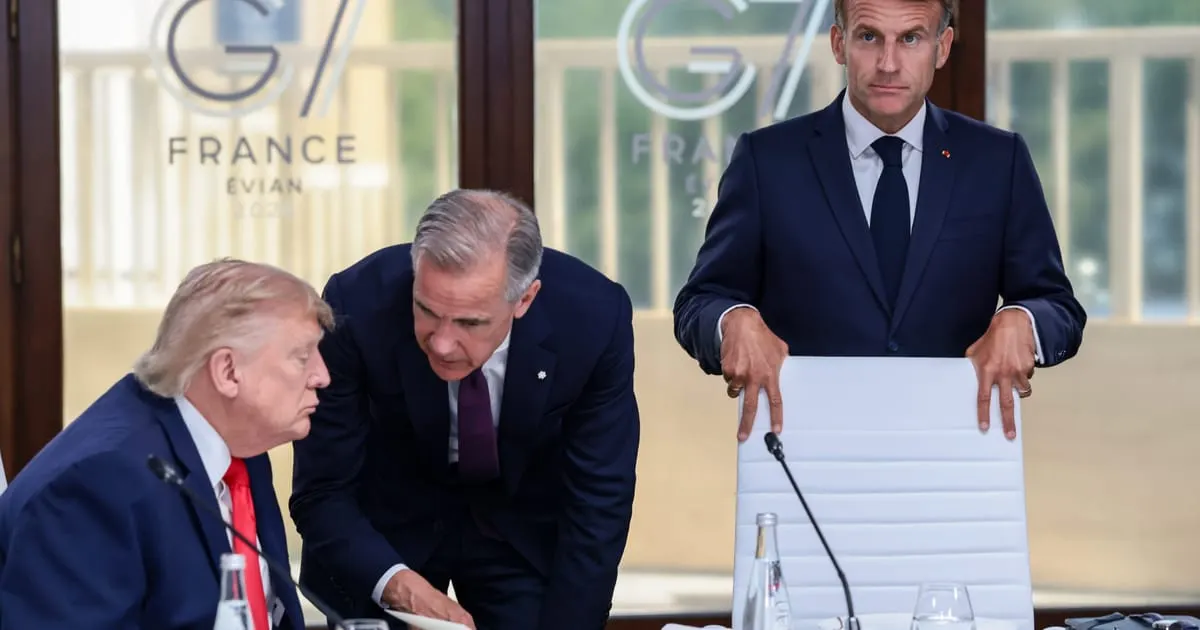
G7 announces fuel-reserve release after US pressure on Europe
The group said 100 million barrels would be released over four months as governments sought to ease diesel shortages. European discussions had centred on 50 million barrels of diesel alongside an equal volume of crude oil from International Energy Agency members.
Listen to the story
Short version
The G7 announced a 100 million-barrel reserve release after US pressure on Europe to provide emergency diesel. European governments sought protection against a possible unilateral US diesel export ban.
- G7 reserves will be released over four months.
- Europe discussed contributing 50 million barrels of diesel.
- IEA members were asked to provide 50 million barrels of crude.
- EU countries sought assurances against a US export ban.
- Oil prices fell after reports of the proposed releases.
What's new
- G7 members announced a 100 million-barrel release over four months.
- European talks considered releasing 50 million barrels of diesel.
- EU countries sought US assurances against a unilateral diesel export ban.
The Group of Seven announced on October 2 that members would release 100 million barrels from strategic oil reserves over four months, following US pressure on European governments to supply emergency diesel. EU leaders had discussed a French proposal for Europe to release 50 million barrels of diesel while International Energy Agency members supplied 50 million barrels of crude oil.1345
A coordinated release
The French proposal envisaged European countries providing 50 million barrels of diesel and IEA members releasing the same volume of crude. Under the plan reported by the South China Morning Post, part of Europe’s contribution would be delivered over 20 days. The G7 announcement provided for the wider 100 million-barrel release to take place over four months.1345
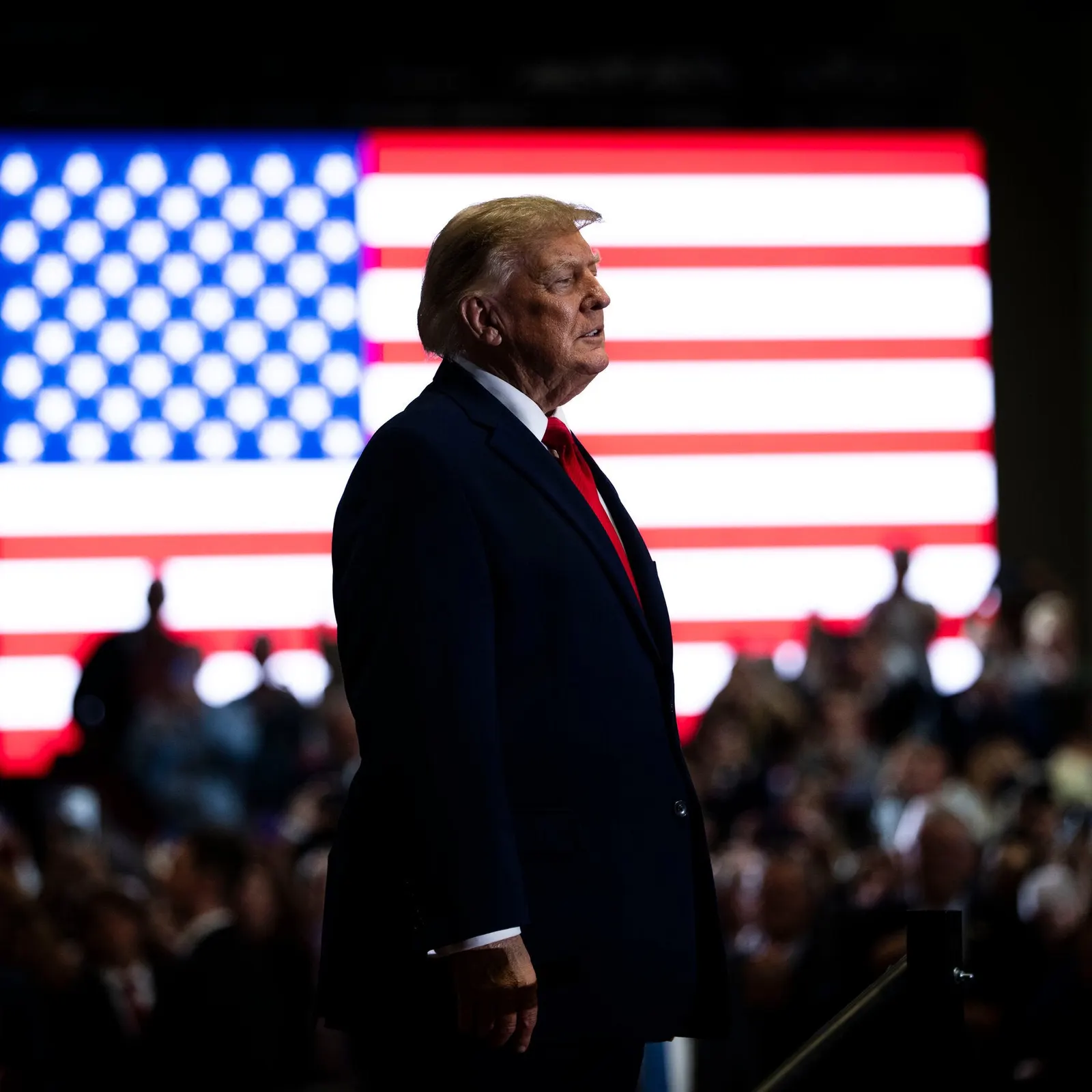
The New York Times reported that the release took effect immediately. President Donald Trump separately said European countries had agreed to begin releasing diesel at once, although the dossier does not establish how much each country would contribute.45
US Treasury Secretary Scott Bessent had urged European governments to accelerate existing commitments and provide further supplies. “Our European partners should accelerate delivery on their existing commitments and make additional supplies immediately available to address ongoing disruptions,” he said.13
Dispute over US exports
The talks were complicated by the prospect of US restrictions on diesel exports. Al Jazeera reported that EU countries wanted any further European releases to be accompanied by a US commitment not to impose a unilateral export ban. The outlet said the European Union had rejected that possibility, while CNBC reported that Trump appeared to step back from the idea earlier in the week.13
According to Al Jazeera, the Trump administration had asked EU leaders for 120 million barrels of diesel over 180 days, a larger diesel-specific request than the French proposal discussed by EU governments. The outlet also reported that the administration and Republican lawmakers were considering export restrictions before the November midterm elections; that claim has not been independently confirmed in the dossier.1
Al Jazeera reported that the United States was exporting about 1.5 million barrels of diesel a day this year and that an export ban could remove nearly one-third of diesel traded by sea. CNBC said the United States supplied roughly half of the EU’s imported diesel in August, illustrating the degree to which restrictions could also affect European markets.13
Prices, supplies and emergency rules
CNBC reported that oil prices fell sharply after news of the possible releases. It said EU governments were holding crisis talks over a coordinated response to rising diesel prices. Al Jazeera reported that US diesel had reached $6.53 a gallon in the previous week and that the European average had risen to €2.24 a litre, although those price records were not independently confirmed in the dossier.13
Al Jazeera said US diesel inventories stood at 107.9 million barrels on September 11. The outlet also said the combined gas oil and diesel holdings of EU countries and the United Kingdom totalled roughly 52 million metric tonnes, of which 37.5 million tonnes were emergency reserves. According to the outlet’s account of EU rules, countries are required to hold enough oil to match either 90 days or more of net imports or 61 days of domestic consumption.1
The same report put France’s emergency holdings at 8.2 million tonnes and Germany’s at 5.6 million tonnes. It said the United Kingdom had reserves equivalent to about 42 days and obtained approximately 30 per cent of its diesel from the United States.1
Pressure from disrupted trade
Al Jazeera linked the rise in global diesel prices to the US-Israeli war with Iran and Russia’s war in Ukraine. A White House official said supplies had been reduced by lost exports from Russia, China and parts of the Middle East. CNBC reported that crude exports through the Strait of Hormuz had increased again when Trump appeared to soften his position on a diesel export ban.13
Why it matters
Europe faces a balance between using emergency stocks to lower prices and preserving reserves required under regional rules. The issue also exposes Europe’s reliance on US diesel: CNBC reported that the United States provided around half of EU diesel imports in August, while a possible US export restriction remained part of the negotiations.13
Related stories
background

Version history
- version 1 ·