Business · United States of America
Trump and Macron say G7 will release diesel reserves
The planned release follows US pressure on European governments as Washington considers restricting American diesel exports. Different accounts give different volumes and schedules.
Trump and Macron say the G7 will release diesel reserves after US pressure on Europe. Washington is still considering restrictions on American diesel exports.
- G7 release could reach 100 million barrels over four months.
- Trump said European releases would begin immediately.
- Wright reportedly sought 120 million barrels over 180 days.
- The EU says coordinated action must go through the IEA.
- A US diesel-export ban remains under consideration.

What's new
- Trump said European diesel stocks would begin entering the market immediately.
- Macron confirmed a G7 release of up to 100 million barrels.
- G7 leaders pledged to avoid energy-trade restrictions among partner countries.
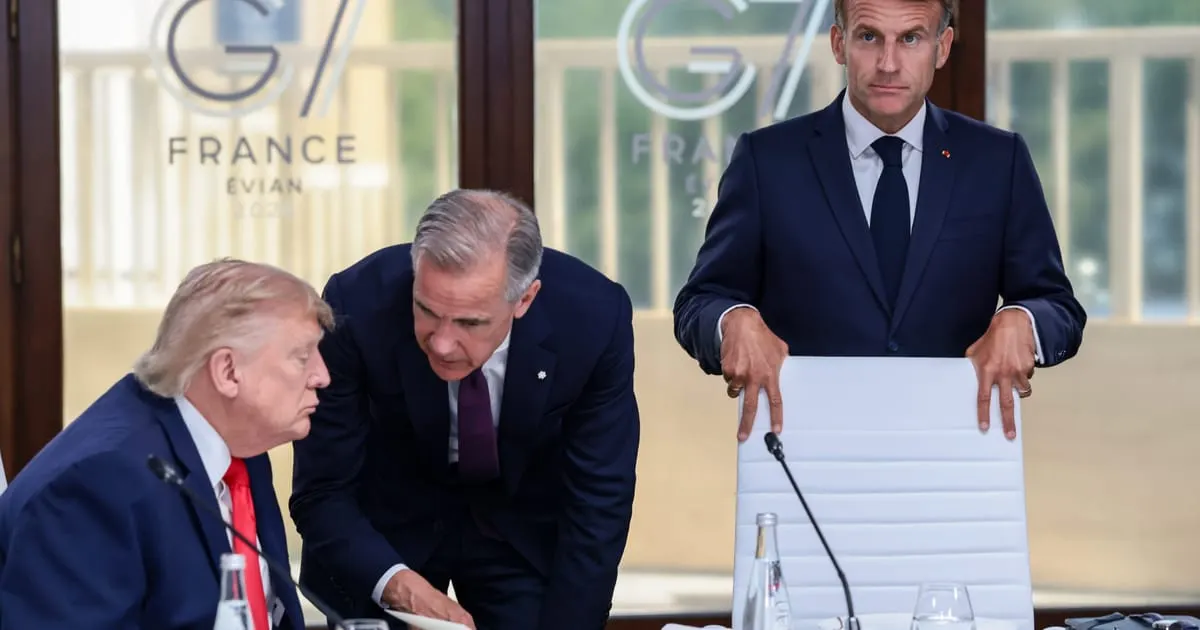
US President Donald Trump said on Oct. 2 that Europe had agreed to begin releasing diesel from strategic stocks immediately, while French President Emmanuel Macron, the G7 chair, confirmed that the group would make up to 100 million barrels available over the following four months. Their announcements followed an overnight call about the issue.1
Washington’s proposal
The announcement came after US Energy Secretary Chris Wright pressed European Union governments to draw on national diesel reserves, according to Politico Europe. Wright proposed releasing 120 million barrels over 180 days, an amount the outlet said would exceed one-third of the roughly 315 million barrels held in EU reserves in June. Germany, France, Italy, Spain and Poland were identified as the bloc’s largest holders.2
Politico reported on Oct. 1 that the United States had contacted Berlin and that a large EU country had also been approached during bilateral discussions in the United States. The British government was engaged in discussions with Washington that it described as open and focused on future steps. The European Commission did not confirm receiving Wright’s request and said any coordinated stock release would be agreed solely through the International Energy Agency.2
G7 plan emerges
A day later, Trump said Europe had accepted a substantial release and that it would start at once. Macron separately confirmed the G7 plan for up to 100 million barrels over four months. According to Deutsche Welle, the United States had demanded that France, Germany and other European countries release 100 million barrels within 20 days. That reported demand has not been independently confirmed by the second source.1
Macron also committed to avoiding measures that would restrict trade in petroleum and energy products among partner countries. G7 leaders said the impact of energy prices on their citizens was a leading concern and that they would track market developments and revise their response if necessary.1
Export restrictions remain possible
The European releases were presented as an alternative to a broad US diesel-export restriction. Politico reported that Trump confirmed such a measure remained under consideration, although Wright and the US oil and gas industry opposed it. Trump said a restriction might reduce diesel prices while increasing gasoline prices and the cost of other goods.2
The two reports describe several different figures and schedules: Wright’s reported proposal for 120 million barrels over 180 days, the reported US demand for 100 million barrels within 20 days, and the confirmed G7 plan for as much as 100 million barrels over four months. The sources do not establish how these formulations relate to one another or how much each European country would contribute.12
Prices and supply
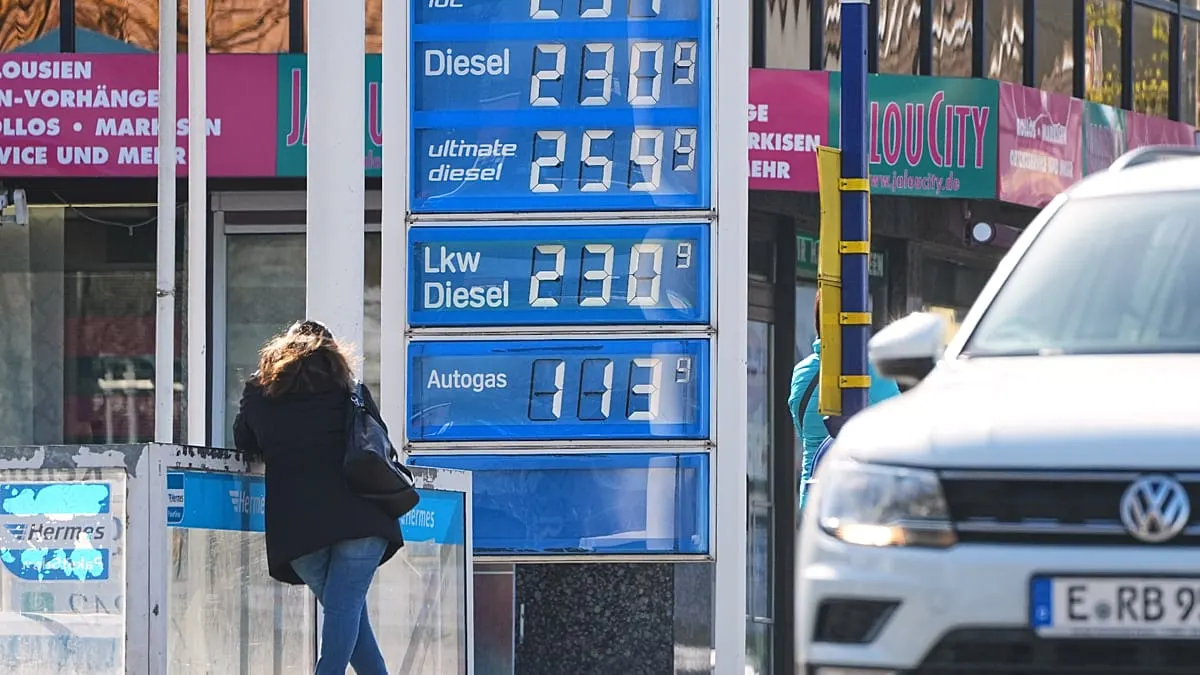
Deutsche Welle reported that the average US diesel price had reached $6.37 a gallon, equivalent to €5.65, citing the American Automobile Association. The outlet said US prices for oil and other goods had risen amid the Iran war and Trump’s trade policies. Trump argued that higher prices were an acceptable cost of preventing Iran from acquiring nuclear weapons.1
Global diesel availability was also reduced by Russia’s export ban, according to Deutsche Welle. The report linked that ban to Ukrainian attacks on Russian refineries. Wright said European governments would announce additional supplies entering the market, which he expected to reduce diesel prices substantially.12
Why it matters
European governments are being asked to use strategic fuel stocks on a scale that, under Wright’s reported proposal, would exceed one-third of the EU volume recorded in June. The decision also bears on trade with the United States because Washington is still considering an export restriction that Trump said could shift costs from diesel to gasoline and other goods.12
Related stories
background
background
Version history
- version 1 ·