Business · United States of America, Canada, France
G7 agrees immediate release of up to 100 million barrels
Emergency diesel and crude stocks will be released through the International Energy Agency over four months. G7 members plan to concentrate a substantial diesel contribution in the first 20 days.
Listen to the story
Short version
The G7 will release up to 100 million barrels of emergency fuel reserves through the IEA, concentrating substantial diesel supplies in the first 20 days.
- The release begins immediately and runs for four months.
- Diesel supplies will be concentrated in the first 20 days.
- Refineries are being encouraged to maximise available capacity.
- Further diesel releases may follow through the IEA.
- G7 partners agreed to keep energy trade unrestricted.

What's new
- The coordinated reserve release is due to begin immediately.
- Up to 100 million barrels will be released over four months.
- A substantial amount of diesel is planned for the first 20 days.
- Further diesel releases will be considered through the IEA.
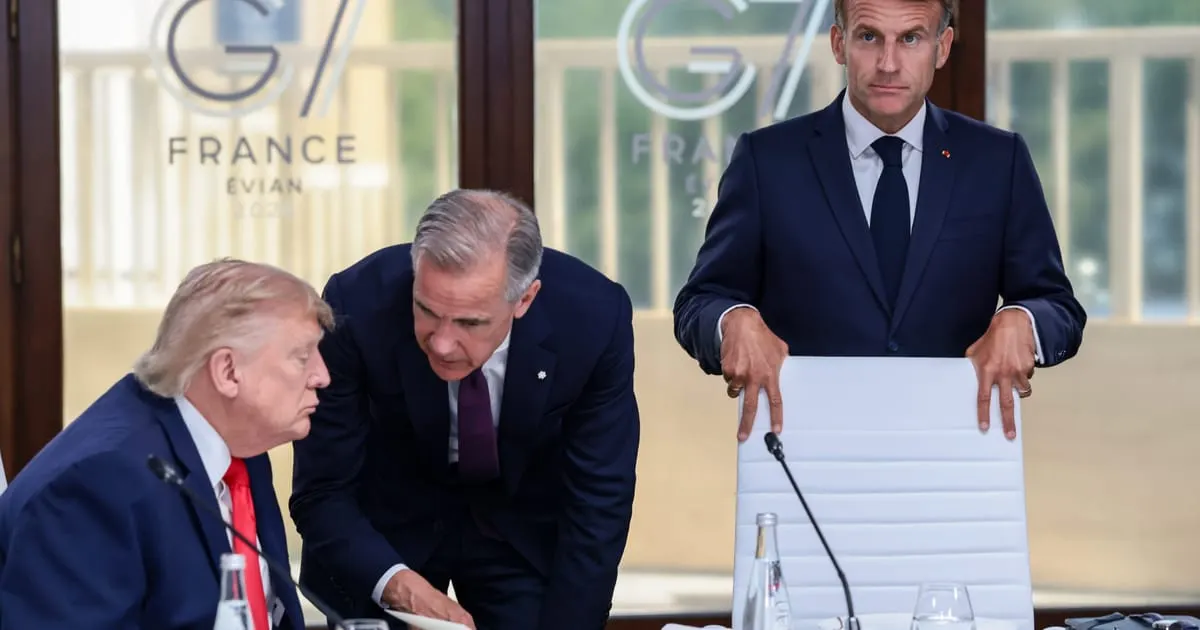
G7 leaders agreed on 2 Oct, following a video conference chaired by French President Emmanuel Macron, to release up to 100 million barrels of emergency diesel and crude oil reserves. The operation will begin immediately, run for four months and be coordinated through the International Energy Agency.12
Diesel supplies front-loaded
The first stage will emphasise diesel, with G7 members planning a substantial release during the initial 20 days. A statement reported by TASS said partner countries would also participate in that front-loaded contribution. Macron said the governments intended to act together to reduce petroleum-product prices, with particular attention to diesel.12
The governments also intend to meet through the IEA to consider further diesel releases if required. The initial agreement does not specify how much of the total will be diesel, how the barrels will be divided among participating countries or the exact schedule beyond the first 20 days and the overall four-month period.12
Refineries and cross-border trade
Alongside the stock release, G7 leaders agreed to make production arrangements more flexible so refineries can operate at maximum capacity. According to the statement reported by TASS, countries will seek to avoid overlapping refinery-maintenance shutdowns and will temporarily raise utilisation rates where feasible.12
The G7 also encouraged discussions with countries that have substantial refining capacity to increase the production of refined fuels, particularly diesel. Leaders agreed not to impose restrictions on exchanges of energy and petroleum products among partner countries.12
Earlier emergency measures
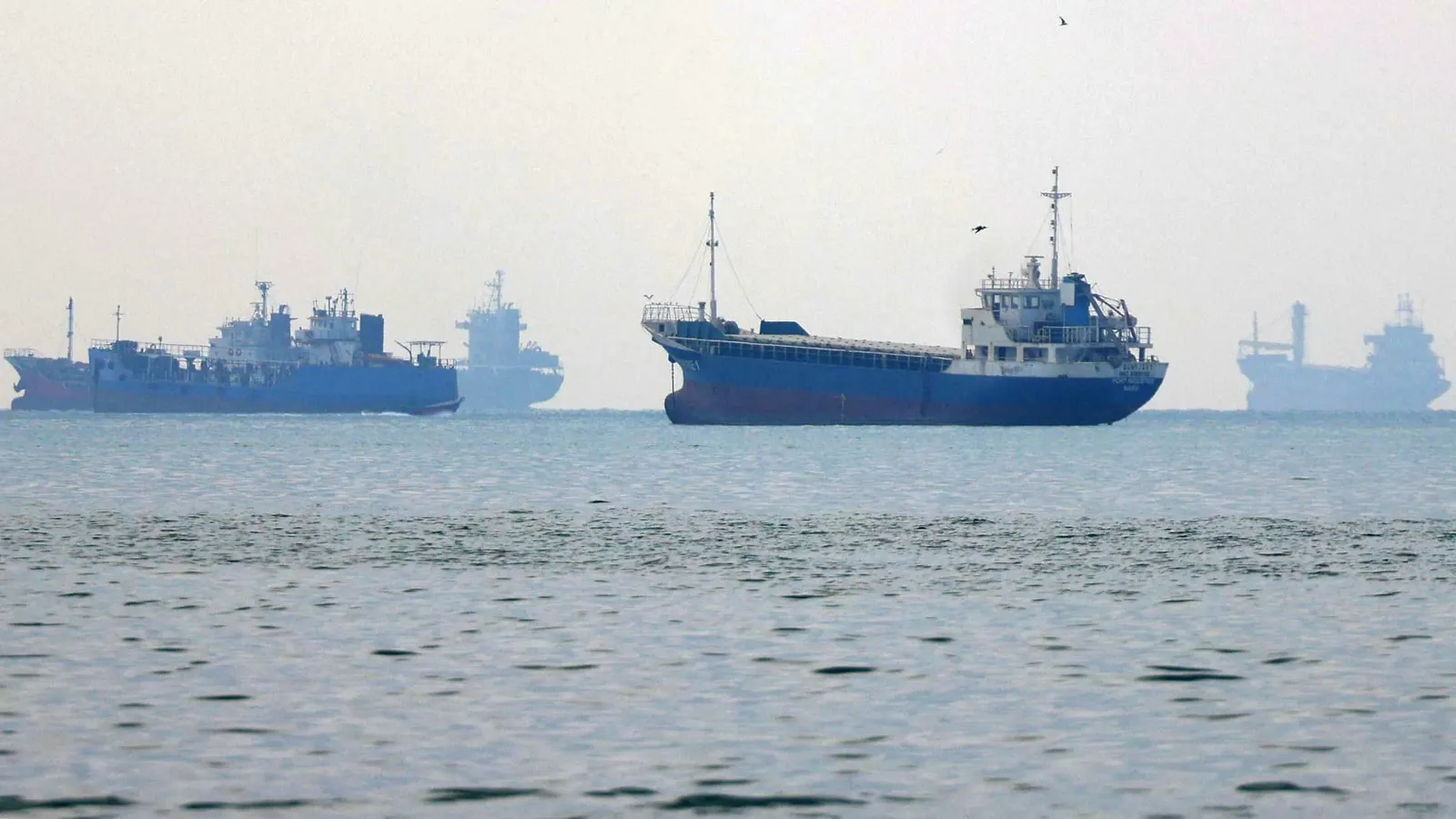
According to The Guardian and TASS, IEA countries committed in March to draw 400 million barrels of crude and refined fuels from strategic stockpiles in response to supply disruptions. The Guardian said that commitment amounted to one-third of the group’s government-held stocks and was more than twice the 182 million barrels released in 2022. TASS described the latest decision as implementation of commitments made earlier.12
Pressure on fuel markets
According to The Guardian, Brent traded at just over $100 per barrel on Friday, up from roughly $72 before the start of the Iran war. It also reported that average diesel prices at British filling stations had reached a record £2 a litre, making the cost of filling an average family car £110 — almost £32 more than before the war.1
The report added that European refineries meet roughly seven-tenths of the region’s diesel demand and cautioned that stronger competition for cargoes sold on global markets could push prices higher. It said President Donald Trump is considering limits on US diesel exports to lower fuel costs at home ahead of the American midterm elections, a move that would create difficulties for Europe.1
Meeting context
Middle East Eye reported that the reserve discussion took place during an emergency G7 meeting and amid pressure from the United States. It also reported that the G7 condemned Iranian attacks on neighbouring countries; those details were not confirmed by the other sources in the dossier.3
Why it matters
European consumers are exposed to diesel-market pressure because the region produces only about 70% of the fuel it uses, according to The Guardian. The planned reserve release and measures to maximise refinery output may add supplies, while any US export restriction could increase European competition for internationally traded diesel cargoes.12
Videos
Related stories
Version history
- version 1 ·