World · France
French school protests continue as officials seek response
Student action over school conditions has entered a third week, with adult support growing. The government faces demands to address education while proposing wider spending cuts.
French school protests continued into a third week as students, teachers and parents raised concerns about conditions and funding.
- Student protests continued across France.
- Adult supporters joined the movement.
- Officials had not quelled protests by Oct 8.
- Lecornu backed addressing core student demands.
- Unions planned demonstrations for November.
What's new
- Protests over school conditions continued into a third week.
- Officials had not contained the movement by Oct 8.
- Lecornu said students’ core demands should be addressed.
- Major unions planned further demonstrations for November.
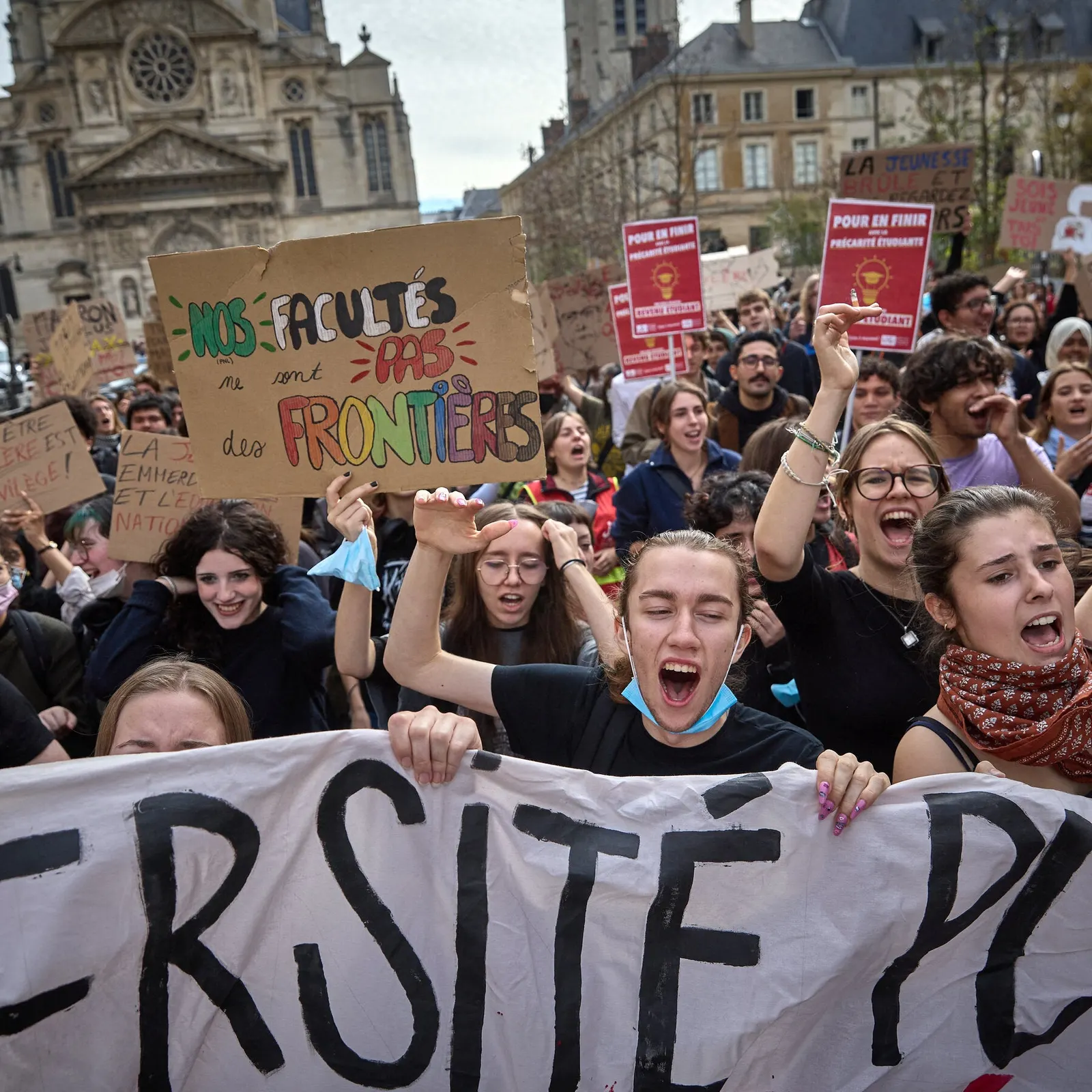
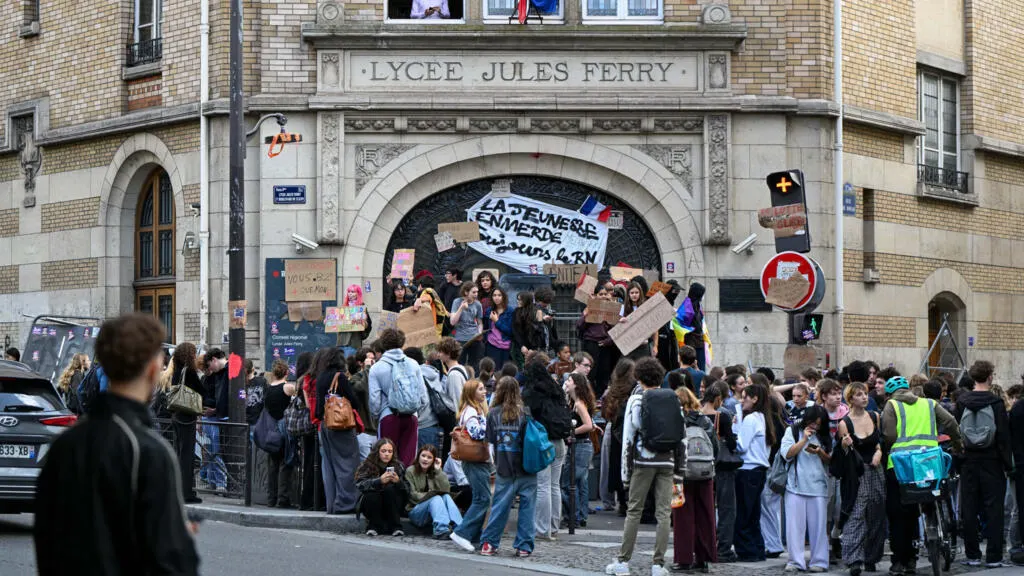
High-school students continued walkouts and demonstrations in Paris and other French cities on Oct 9, as a nationwide movement over school conditions, funding and young people’s prospects entered its third week. The protests have drawn parents, teachers and other adult supporters, while officials have so far failed to halt the movement, according to reports by The Guardian and The New York Times.12
A widening school movement
The Guardian reported on Oct 6 that tens of thousands of pupils had disrupted schools across France. It said hundreds of thousands of people, including parents and teachers, demonstrated that Tuesday amid anger over education cuts and conditions. The New York Times reported two days later that the protests centred on deteriorating school buildings and missing teachers, and that further demonstrations were planned.12
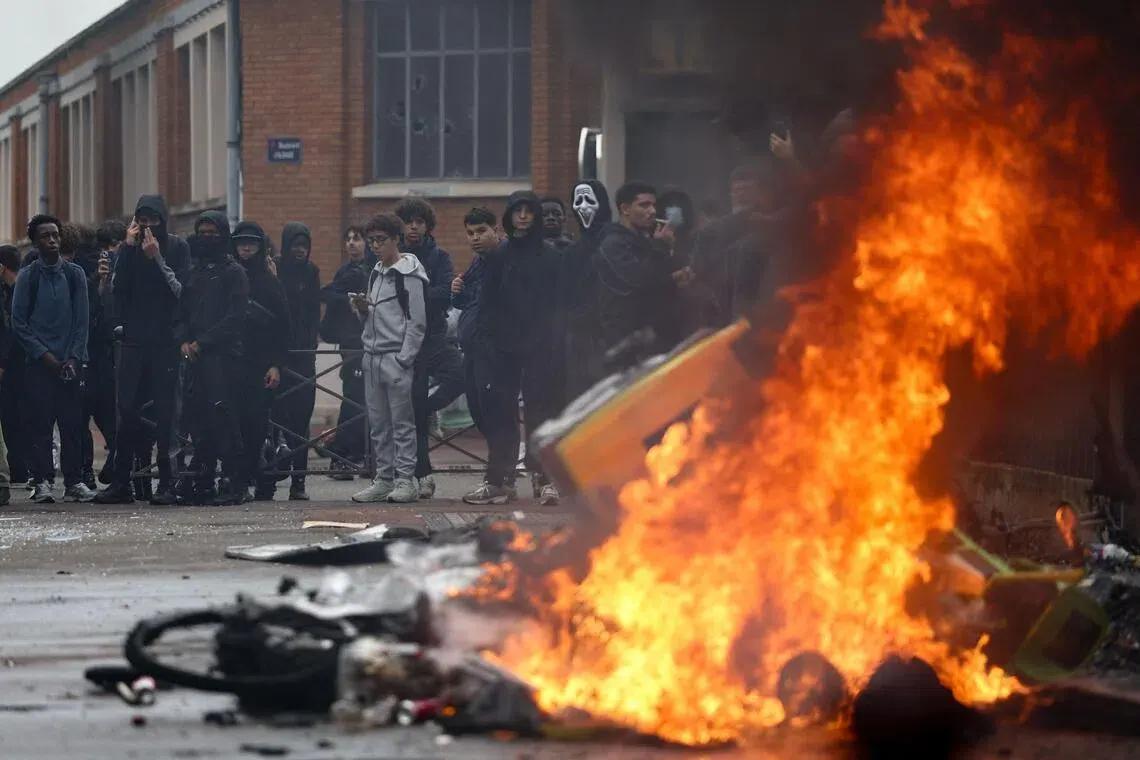
At Lycée Paul Éluard in Seine-Saint-Denis, pupils were among those setting up blockades outside their school, The Guardian reported. Fatoumata Sylla Wague, a 17-year-old student there who wants to become a history teacher, linked her participation to the conditions in which she hopes to work: “If I’m fighting for our rights today, it’s because I really want to teach, but in good conditions.”1
Conditions and funding
According to The Guardian, budget reductions have contributed to damaged buildings, crowded classes and persistent staff shortages. The report described some schools as facing collapsing ceilings, rats, mould, power cuts and insufficient furniture; it also said one school in Bagnolet lacked drinkable water. It reported that half of primary and secondary schools were missing teachers at the start of the academic year, while average class size had increased from 27 pupils in 2010 to more than 30.1
The Guardian also reported that heatwaves can make classrooms difficult to use in May and June. Arnaud Richards, who oversees student services at Saint-Denis’s Iqbal Masih middle school, said rebuilding Gabriel Péri and reopening it in 2022 had strengthened ties in the school community. “Having the school itself be a beautiful place made the community feel more respected,” he said.1
Government and policing response
Sébastien Lecornu, the prime minister, said that “the students’ core demands should be addressed,” according to The Guardian. But the same report said he had proposed €54bn in cuts, including a real-terms reduction in school funding. It also reported that five prime ministers had tried to push austerity budgets during Emmanuel Macron’s second term.1
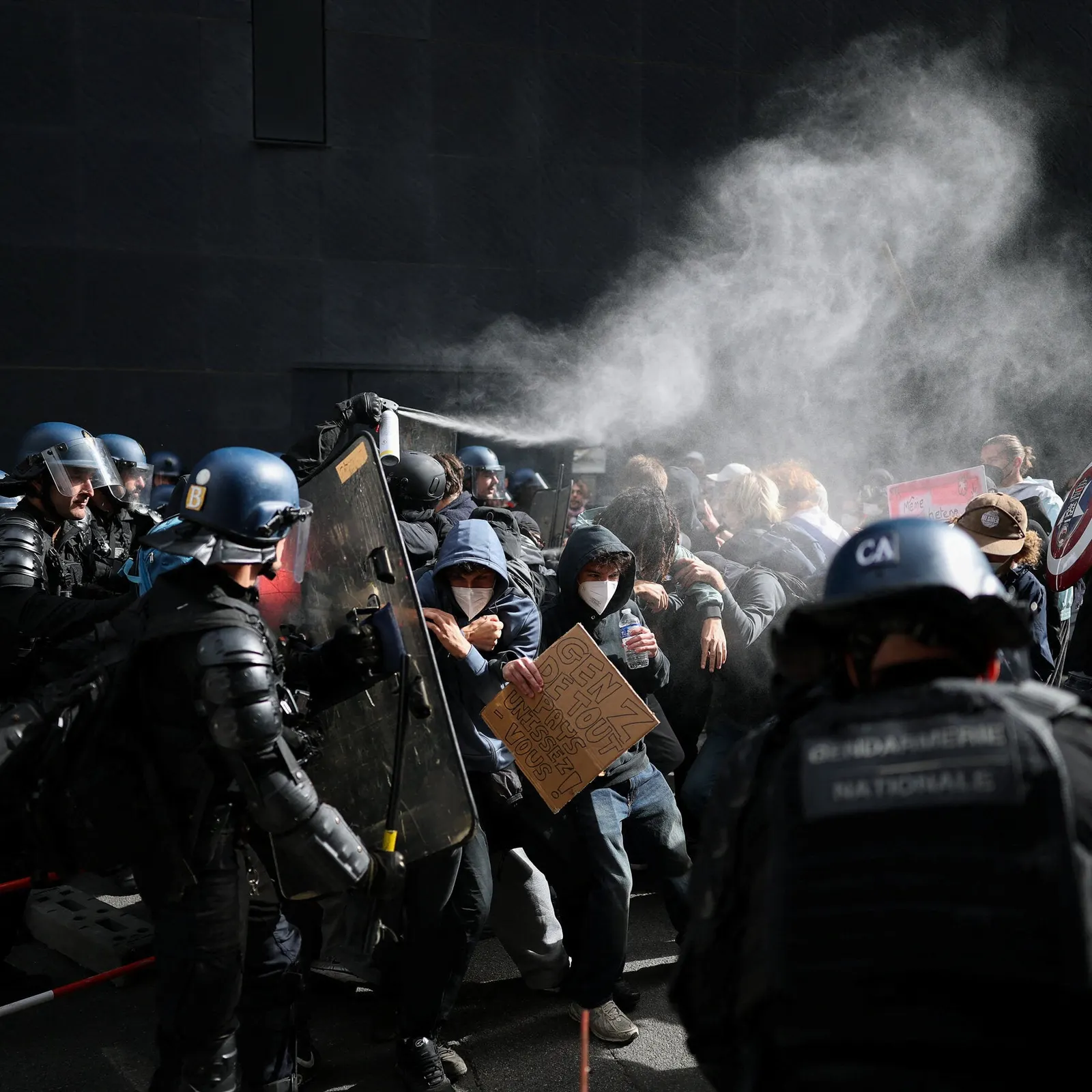
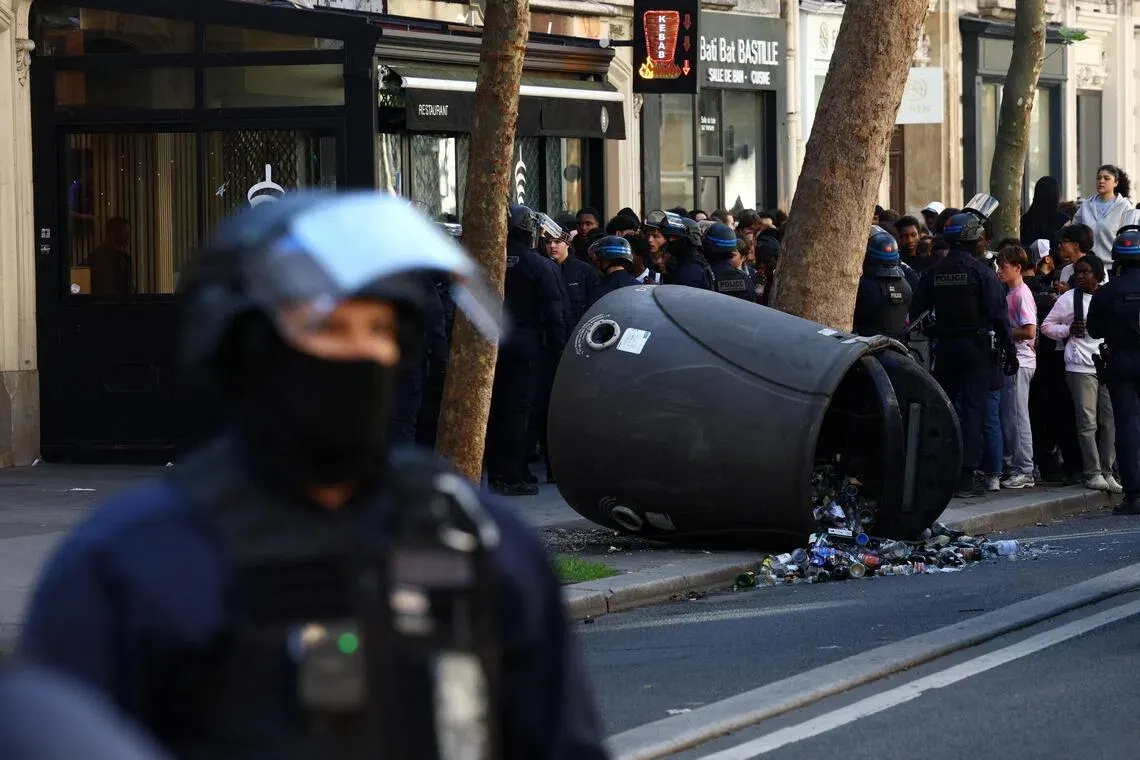
The Guardian reported that security forces intervened against school blockades on Oct 6 and that confrontations then intensified. It said more than 200 students, more than 700 police officers and some teachers had been injured. The report also said that more than 4,000 minors had been taken into custody and almost 1,500 faced prosecution; separately, it reported 4,400 arrests, mostly of minors, over a little more than a week. It reported severe injuries to three young people from police munitions, including the loss of an eye and a hand.1
Marine Le Pen accused the hard left of instigating the protests and called for tougher legislation described as “anti-riot,” The Guardian reported. The paper also reported that public-sector workers demonstrated against wage freezes on Oct 6, and that major unions were preparing joint demonstrations for November.1
Why it matters
The continuing protests show that concerns about school infrastructure and staffing have developed into a broader movement with adult participation. For readers in Europe, the developments illustrate how public-service pressures can become a sustained political issue when officials have not yet found a way to end protests.2
Related stories
follow-up
follow-up
follow-up
Version history
- version 1 ·