World · India, Russian Federation, Ukraine
Attack on Indian-owned Ukraine factory raises stakes for India’s peace push
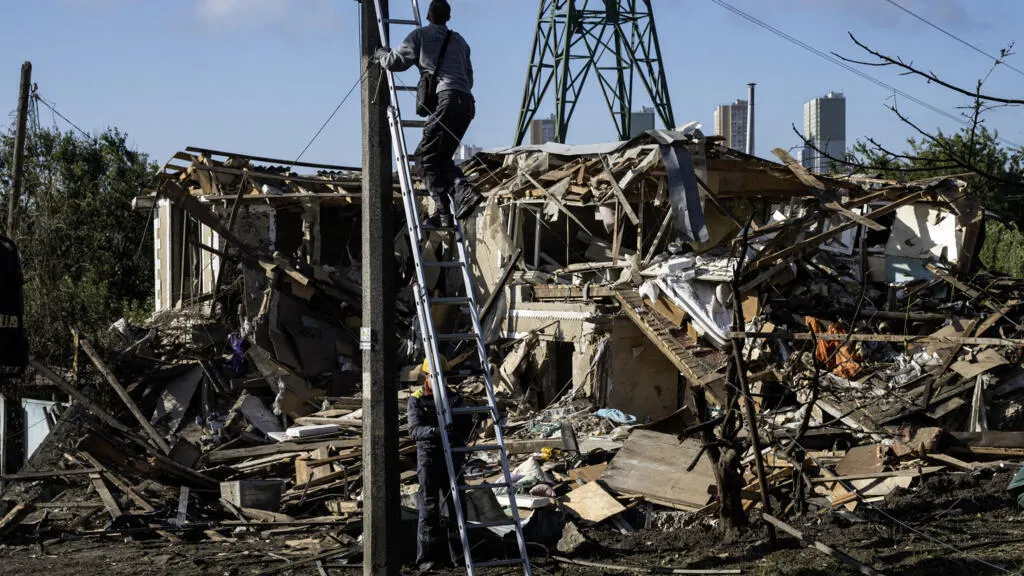
A drone strike severely damaged Kusum Group’s drug plant in Sumy, leaving one person dead and several others hurt, as New Delhi broadens its discussions with Moscow and Kyiv.
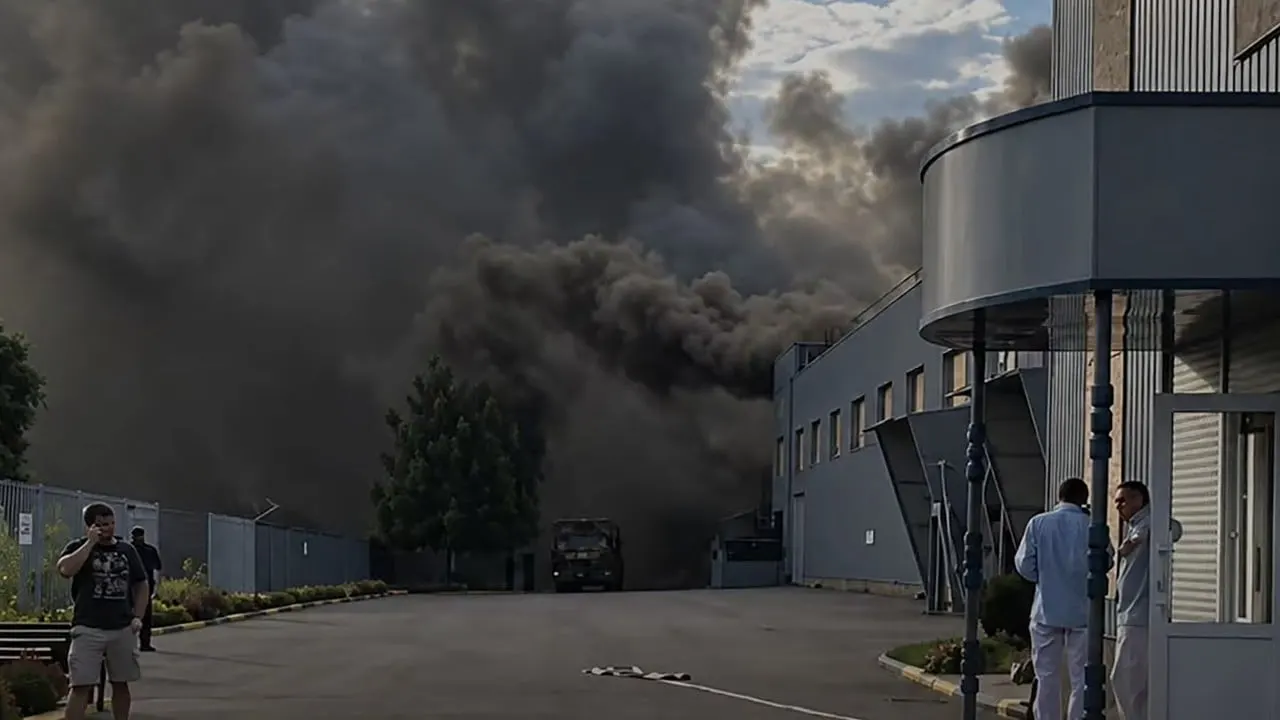
A drone attack badly damaged an Indian-owned pharmaceutical factory in Ukraine as India pursued a larger role in efforts to reduce hostilities. No peace or truce agreement has been reported.
- The Sumy factory attack killed one person and injured several others.
- Ukraine’s embassy in India condemned the attack.
- Kusum Group has produced medicines in Ukraine since 2009.
- India is discussing shipping, energy and possible non-attack arrangements.
- No resulting agreement has been identified.
What's new
- A drone attack destroyed a large part of an Indian-owned pharmaceutical factory in Sumy.
- The attack killed one person and injured several others, according to the South China Morning Post.
- Ukraine’s embassy in India condemned the attack as New Delhi pursued a larger diplomatic role.
The South China Morning Post reported on October 6 that a drone strike wrecked much of the Indian-owned Kusum Group medicine plant in Sumy, leaving one person dead and several others wounded. Ukraine’s embassy in India condemned the attack. The incident and threatened US tariffs on major Russian energy buyers form part of the backdrop to India’s increasingly active efforts to reduce Russia-Ukraine hostilities.3
A focus on practical measures
India’s expanded involvement comes as the war imposes more direct costs on Indian interests. According to the South China Morning Post, a drone strike demolished much of Kusum Group’s Indian-owned drug-production facility in Sumy, causing one death and several injuries. Ukraine’s embassy in India condemned the attack, while the United States has threatened tariffs against major buyers of Russian energy.3
Jaishankar said India has conversations with both sides and is initially concentrating on the safety of commercial shipping in the Black Sea. He said the discussions also extend to energy shipments and possible arrangements under which certain targets would not be attacked. His comments presented India’s activity as an attempt to identify limited measures that could reduce hostilities rather than as a publicly detailed plan for a complete settlement.13
Ukraine’s foreign minister, Andrii Sybiha, said Kyiv had received four proposals from international mediators and described the Indian plan as the most comprehensive. According to reports of his remarks, the Indian proposal addresses both energy infrastructure and the Black Sea. Ukraine has said it is prepared to consider a truce covering those two areas together.12
The Independent reported that Turkey and Egypt had separately proposed a Black Sea arrangement intended to support Ukrainian grain exports, while the United States had pressed for an agreement to stop attacks on energy infrastructure. Ukraine’s position was that an energy truce and a Black Sea truce should be combined, the newspaper reported.2
Modi’s contacts with Putin
Prime Minister Narendra Modi met Russian President Vladimir Putin at the Shanghai Cooperation Organisation summit in Bishkek in August and urged him to end the war, according to The Independent. The two leaders met again during the BRICS summit in New Delhi in September 2026. Meduza reported that they discussed the conflict at both meetings.12
Kremlin spokesman Dmitry Peskov said Modi had “actively offered his good offices” to support a peaceful settlement. Putin, for his part, praised India’s stated wish to bring the conflict to an end through peaceful means. Those statements indicate that Moscow has publicly acknowledged India’s interest, but the dossier does not establish that Russia or Ukraine has accepted a specific Indian arrangement.12
India also hosted Putin for a state visit in December 2025. The International Criminal Court has issued a warrant for the Russian president over alleged war crimes in Ukraine, but The Independent reported that India is not legally required to arrest him because it is not a party to the Rome Statute.2
Shipping risks and energy ties
The Black Sea issue has direct relevance for India’s commercial shipping interests. The Independent reported that at least five Indian seafarers had been killed following attacks on commercial vessels in the region since April. India subsequently issued protests to both sides and advisories warning seafarers about the situation, according to the newspaper.2
India’s role is also complicated by its purchases of Russian energy. India has remained Russia’s second-largest energy customer after China, and Meduza reported that Russian supplies have increased sharply as a share of Indian imports since the war began. The United States has pressed India to stop purchasing discounted Russian crude, according to both Meduza and The Independent.12
Meduza reported that India agreed in early 2026 to halt Russian oil purchases but later resumed them after war in the Middle East and resulting energy shortages. The outlet further said a US law permits President Donald Trump to levy tariffs of up to 100 per cent against nations that purchase large volumes of Russian crude, adding difficulty to trade talks between Washington and New Delhi.1
Scope remains unclear
The available reports establish that India is speaking with both Russia and Ukraine and has broadened its involvement in recent months. No agreement resulting from the Indian discussions is identified in the dossier.123
Why it matters
The Sumy attack extends the war’s direct costs for India beyond risks to its seafarers and pressure over Russian energy purchases. India is discussing Black Sea shipping, energy flows and possible limits on attacks with Moscow and Kyiv, but no resulting agreement has been identified.123
Videos
Related stories
background
background
Version history
- version 2 · The update adds the deadly drone attack on an Indian-owned pharmaceutical factory in Sumy and Ukraine’s condemnation, placing India’s diplomatic push in the context of growing direct costs and US tariff pressure.
- version 1 ·