Climate · Brazil
Isolated Awá seek food in Brazil as territorial pressures draw concern
About 20 Awá people contacted a government team and requested yams, Survival International reported. Brazil’s Indigenous affairs agency is monitoring the encounter and has activated health precautions.
Survival International reported that about 20 isolated Awá people sought food in Brazil. Funai is monitoring the encounter amid concerns about health and territorial incursions.
- The group requested yams, Survival International said.
- Funai activated health precautions and maintained its non-contact policy.
- Forest Guardians report growing incursions into Awá territory.
- Reuters could not verify the footage’s location or recording date.
What's new
- Survival International reported that about 20 isolated Awá people requested yams from a government team.
- Funai said it was reviewing footage and accounts of the encounter.
- The agency activated a contingency plan intended to reduce health risks.
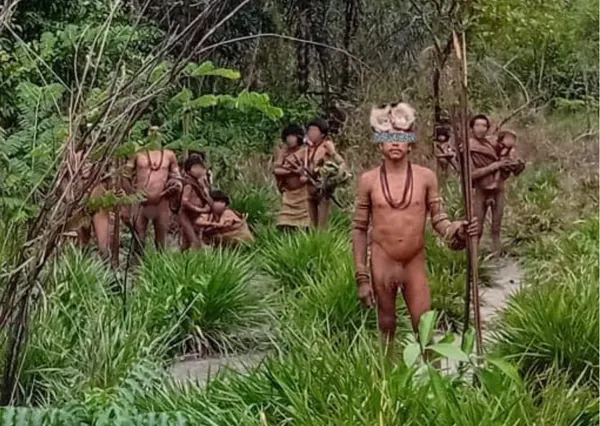
About 20 Awá people living in isolation approached a village in Arariboia Indigenous territory in Brazil’s Maranhão state and contacted a government team, according to a Guardian report published on November 17, 2026. Survival International said the group requested yams and carried them into the forest, amid reports of increasing incursions into Awá territory.14
An encounter documented on video
The National Indigenous Times reported on November 18 that the group approached a Guajajara village, received food and other objects, and returned to the forest after a brief stay. Survival International said Guajajara people recorded the encounter at the government station the Awá had approached.34
Survival International released images at the request of Indigenous forest defenders, according to the Straits Times. That report included a verification limitation: Reuters could not establish where or when the footage was recorded, although it found no earlier versions posted online before November 17.2
The Guardian reported that some members of the group, particularly children and older people, appeared severely emaciated. The National Indigenous Times also described some as unusually thin. Those accounts describe their appearance; Funai said its technical teams were assessing the available information about the group’s health.13
Health precautions without seeking contact
Funai, Brazil’s Indigenous affairs agency, said it was examining videos and social-media accounts of isolated Awá interacting with a village in Arariboia, the Straits Times reported. It had activated a contingency plan intended to limit health risks associated with contact. The agency said Brazil was not seeking contact and retained its non-contact policy.2
Unplanned encounters can expose isolated Indigenous people to diseases against which they have little or no immunity. The Straits Times described uncontacted groups as people who avoid outsiders and maintain no permanent relationship with them, rather than people unaware of the outside world. It identified the Awá as a Tupi-Guarani people, some of whom remain voluntarily isolated.12
Pressure on the forest
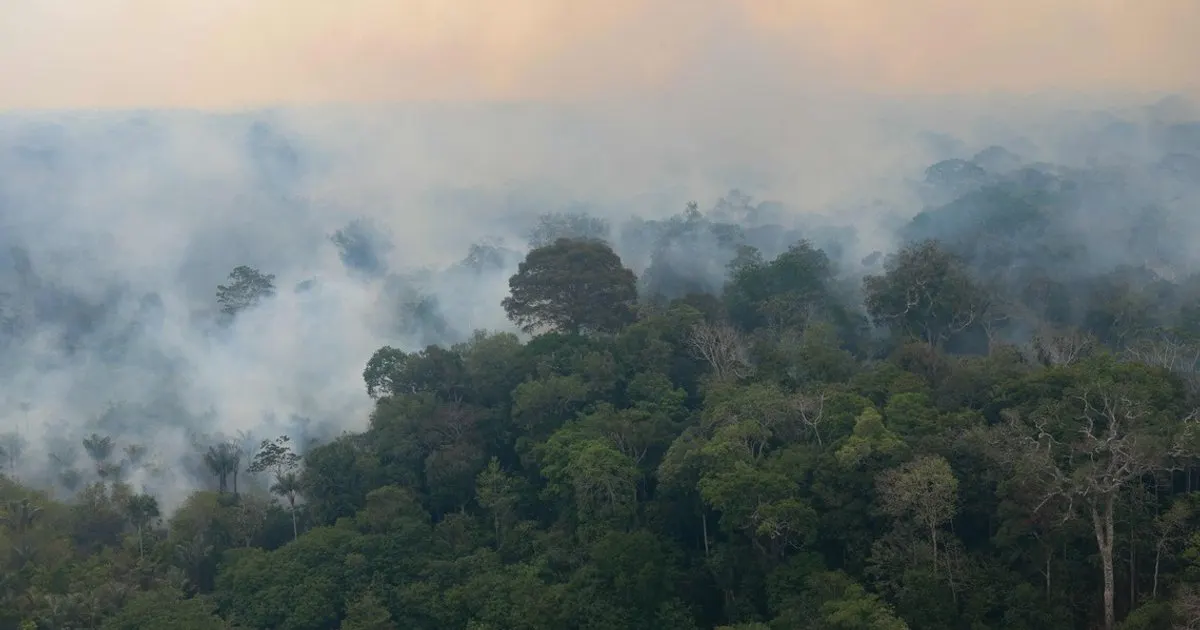
The Awá face increasing incursions by illegal loggers, hunters and cattle ranchers. The Forest Guardians, Guajajara defenders of territory shared with the Awá, have opposed such invasions for years. They say changing climatic conditions, fires, forest clearance and encroachment are affecting both the land and the Awá’s way of life.145
Caroline Pearce, director of Survival International, linked the encounter to those pressures, saying intruders were reducing the forest available to otherwise self-sufficient people. She called on Brazil’s government to fund protection of Arariboia against loggers and ranchers. Her account presents the organisation’s assessment of the encounter, not an independently established explanation for the group’s approach.145
Coapima, which represents Indigenous groups in Maranhão, said protection must uphold isolated peoples’ autonomy and territorial rights. The Forest Guardians’ work has also involved deaths: Survival International reported that many guardians had lost their lives protecting Arariboia in recent years.45
Why it matters
For European readers, the encounter brings together questions of forest protection, Indigenous autonomy and the health risks of outside contact. The implications extend beyond one group: the Straits Times reported 196 uncontacted Indigenous groups across 10 countries, with almost 95% in the Amazon.124
Related stories


Version history
- version 1 ·