Eisenkot begins coalition talks aimed at replacing Netanyahu
Eisenkot is negotiating a national emergency government after receiving the mandate, the Japan Times reports. Netanyahu remains caretaker prime minister as neither camp holds a majority.
Listen to the story
Short version
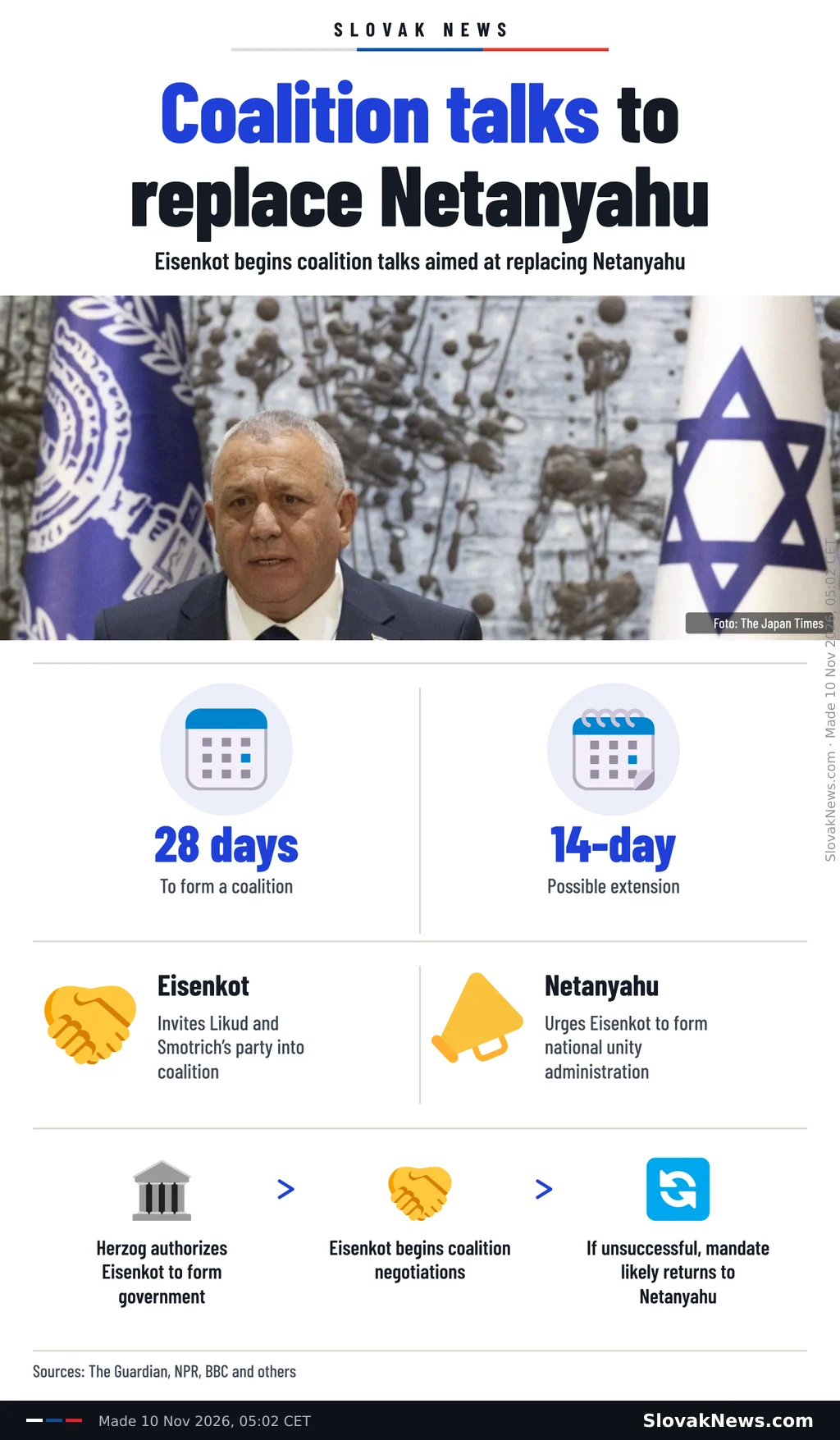
Eisenkot has begun coalition negotiations aimed at replacing Netanyahu, the Japan Times reports. Netanyahu remains caretaker prime minister.
- Neither political camp holds a parliamentary majority.
- Eisenkot has 28 days, with a possible 14-day extension.
- He has invited Likud and Smotrich’s party to join him.
- Acceptance of Arab-party support remains unresolved.
- If Eisenkot fails, Netanyahu would likely receive the task next.
Infographic
What's new
- The Japan Times reports that Eisenkot has begun negotiations to form a national emergency government aimed at replacing Netanyahu.
- Netanyahu continues governing in a caretaker capacity, according to the Japan Times.
- If Eisenkot fails, the government-forming task would likely return to Netanyahu, the newspaper reports; that outcome is not certain.
Gadi Eisenkot has begun negotiating to form a national emergency government aimed at replacing Benjamin Netanyahu, the Japan Times reports, after formally receiving President Isaac Herzog’s mandate. He has 28 days to assemble a coalition, with a possible 14-day extension, while Netanyahu remains caretaker prime minister. Neither leader’s political camp holds a parliamentary majority.62
Infographic
A mandate without a majority
Eisenkot has begun negotiations to assemble a national emergency government aimed at replacing Netanyahu after formally receiving Herzog’s mandate, the Japan Times reports. He has 28 days to form a coalition, with a possible 14-day extension, according to NPR. The Guardian reports that he has invited Likud and Finance Minister Bezalel Smotrich’s far-right party to join a coalition with him as prime minister.621
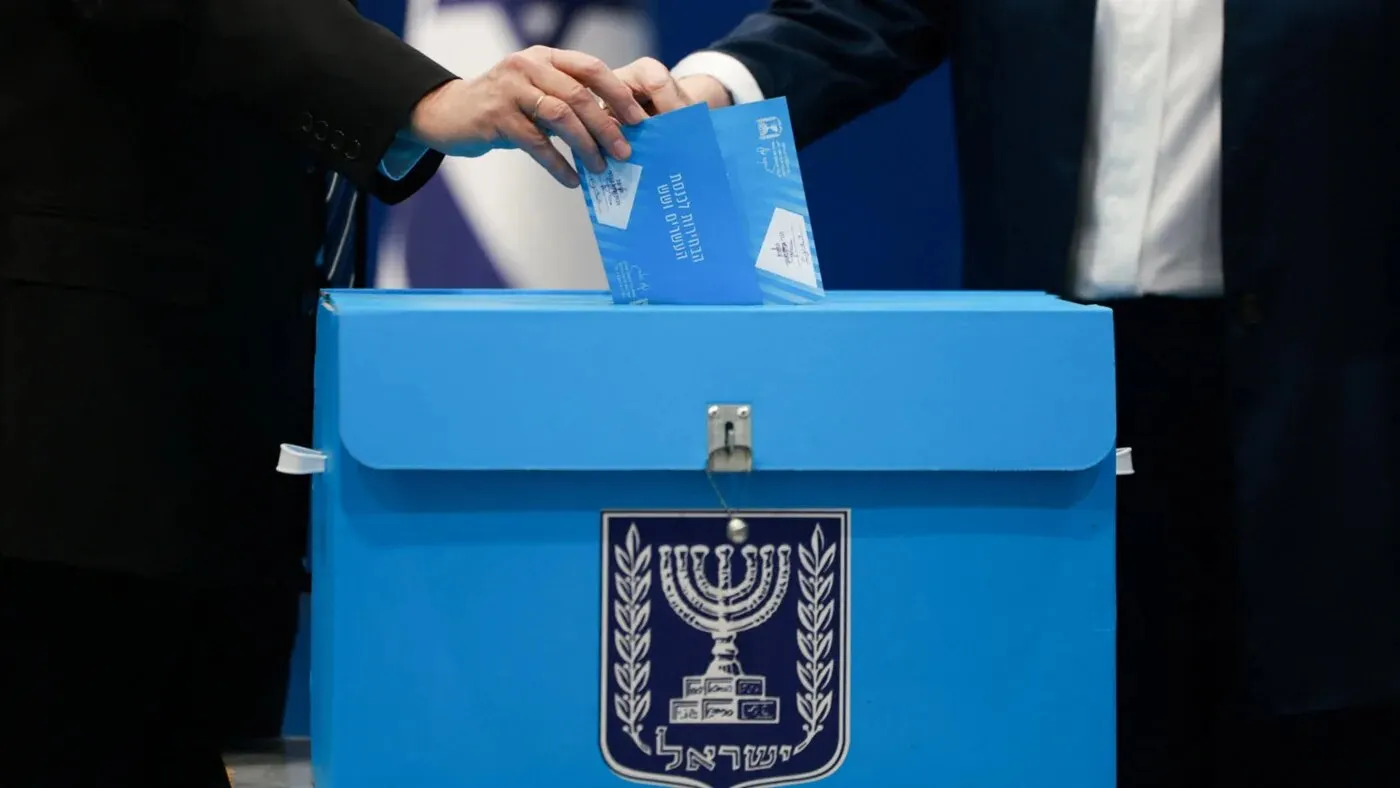
The choice follows an election that left neither leading camp with a majority. According to the Guardian, Netanyahu’s religious-nationalist coalition lost its majority in the October 27 vote but remained parliament’s largest bloc. His camp secured 53 seats, compared with 48 for the opposition bloc led by Eisenkot, the newspaper reported.1
At party level, NPR reported that Netanyahu’s Likud took 27 seats and Eisenkot’s Yashar won 21. Neither party had enough backing to control the 120-seat parliament, according to NPR. Eisenkot needs support accounting for 61 seats to establish a parliamentary majority, the broadcaster reported.2
Following consultations with the parties, Eisenkot received 67 recommendations for prime minister and Netanyahu received 46, the BBC reported. These endorsements give Eisenkot the first opportunity to form a government, but do not establish that he has secured a coalition.36
Support still to be settled
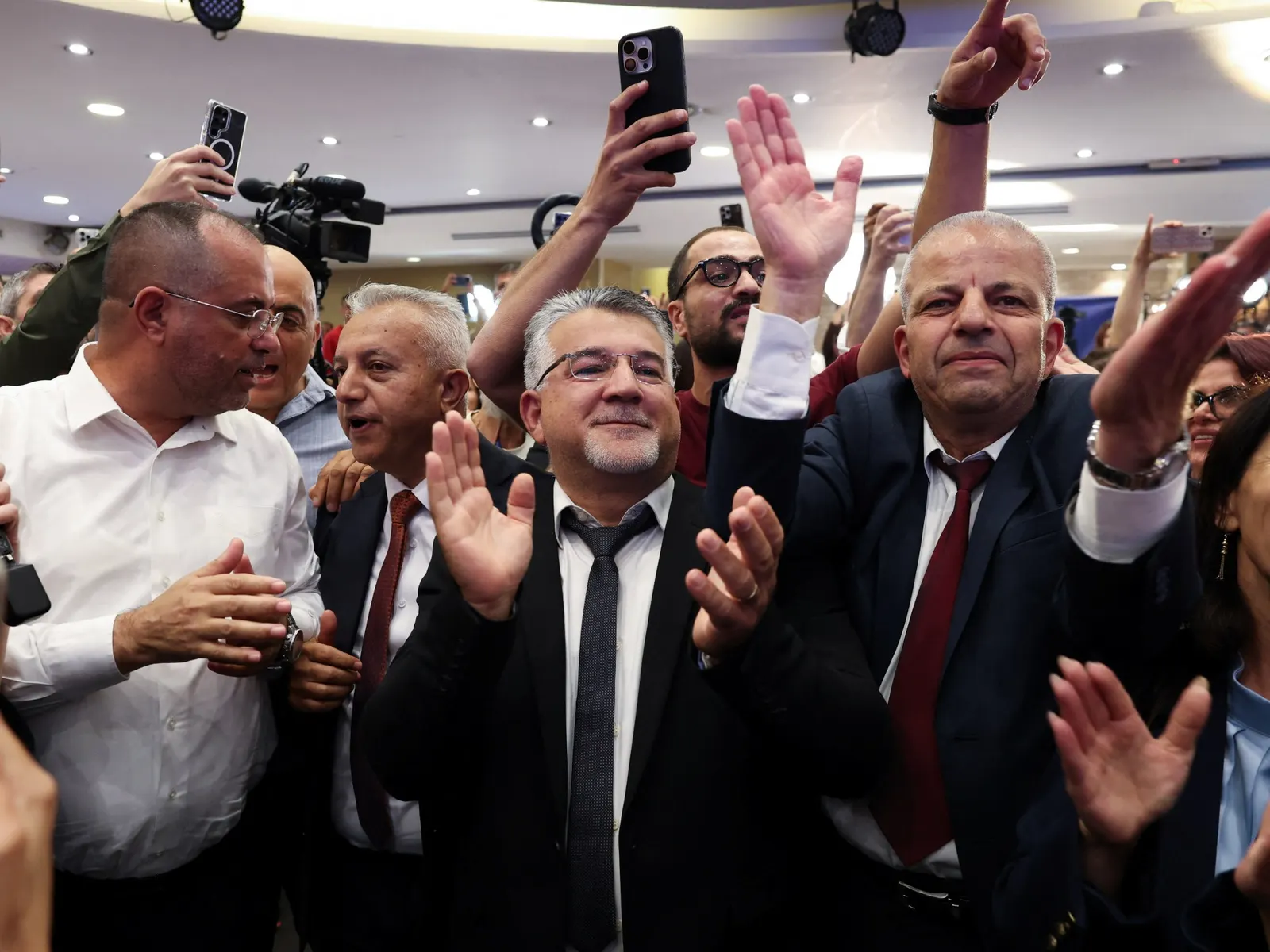
Both Arab-majority lists endorsed Eisenkot during Herzog’s consultations, according to the Guardian. But the newspaper reported that it was not clear whether Eisenkot’s opposition bloc would accept their support. The endorsements therefore leave unresolved the question of how he will assemble the backing needed to govern.1
The United Arab List and Joint List together won 19 seats, according to the BBC. The broadcaster reported that Eisenkot and all but one member of his bloc had previously ruled out entering government with Arab parties, leaving a significant obstacle to an arrangement involving those alliances.3
Eisenkot has now set conditions for Arab parties to join his coalition, the Guardian reports. The newspaper further reports that Yisrael Beiteinu has ruled out participating in any government alongside Arab-led parties, highlighting divisions in Eisenkot’s bloc.1
Eisenkot has called for a “national emergency government”, the Guardian reported. NPR describes Yashar, which he founded and leads, as a centrist party campaigning on anti-corruption measures and changes to government. He now has the first opportunity to translate that political programme into a governing coalition.12
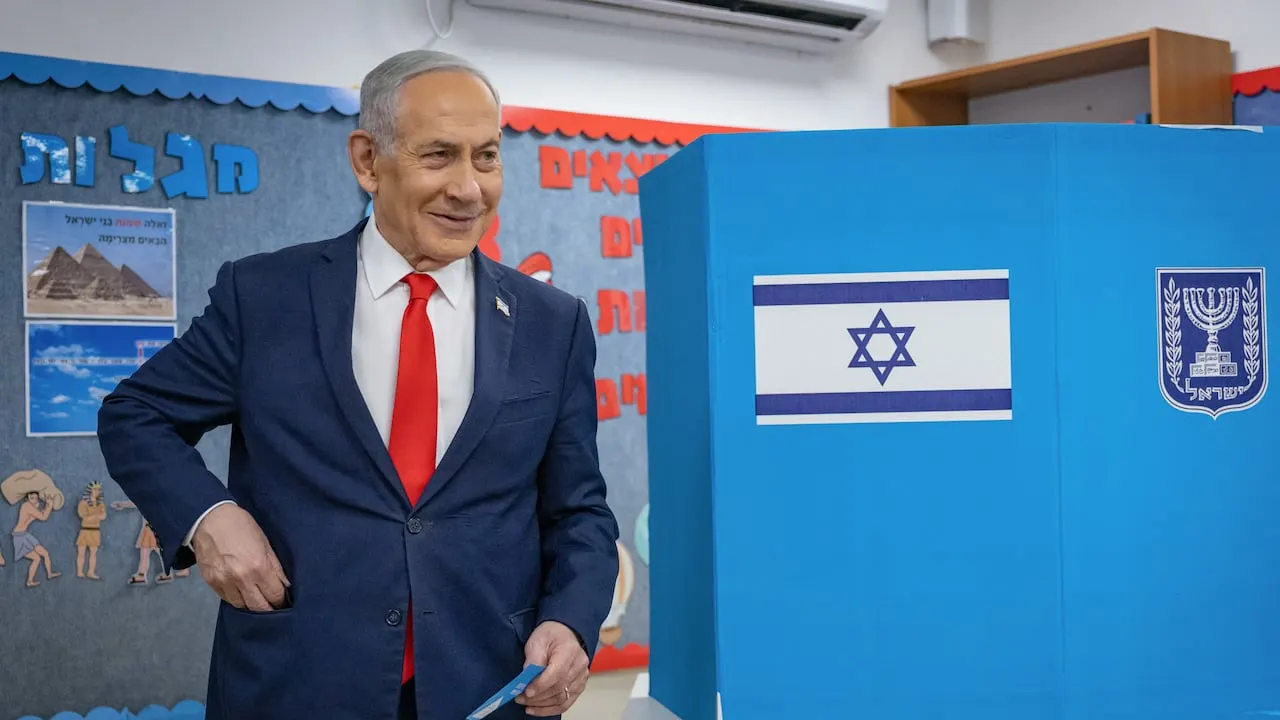
In a separate appeal, Netanyahu urged Eisenkot to form a national unity administration with him, according to the Guardian. The newspaper identifies power-sharing with Netanyahu, Arab-party support and an agreement with ultra-Orthodox parties as potential routes for Eisenkot. The ultra-Orthodox parties demand military exemptions for their community.1
According to the Straits Times, Eisenkot pledged to introduce a legal obligation for members of the ultra-Orthodox Jewish and Arab communities to serve in the military or complete civilian service.41
From military leadership to coalition talks
Eisenkot served as Israel’s senior military commander from 2015 to 2019, according to NPR. The broadcaster reported that he joined Netanyahu’s emergency war cabinet in 2023 and later left it, accusing the prime minister of failing to advance an end to the Gaza war and the release of hostages.2
The Straits Times credits Eisenkot with devising the Dahiya doctrine, which the Guardian describes as threatening massive force against civilian infrastructure in Hezbollah-controlled areas. The Straits Times reports that Israel has used the doctrine again in Gaza; critics say the resulting destruction amounts to war crimes, an allegation Israel disputes.14
According to the Guardian and the Straits Times, Eisenkot rejects Palestinian statehood and has pledged to remove Hamas from power in Gaza and break up its military wing. The Straits Times reports that he set an 18-month target for ending Hamas’s rule. Both outlets also report his pledge to act against extremist West Bank settlers who attacked Palestinians.14
Eisenkot also pledged to strengthen Israel’s relationship with the United States, according to the Straits Times. The newspaper reports that his son Gal and two nephews were killed fighting in Gaza.4
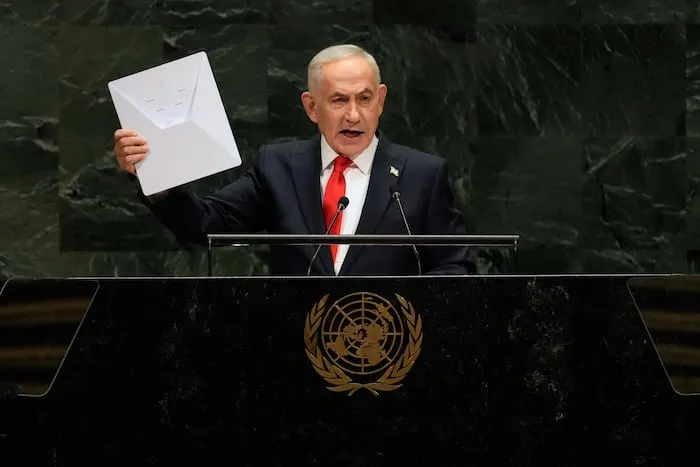
Netanyahu remains caretaker prime minister while Eisenkot seeks a coalition, according to the Japan Times. The newspaper reports that the government-forming task would likely return to Netanyahu if Eisenkot fails, though no such decision has been announced. NPR reports that Herzog can give another lawmaker an opportunity and that further unsuccessful attempts could lead to another election.62
Election investigation
The Guardian reports that Shin Bet has begun examining whether a foreign actor may have interfered in the election. Herzog and the Central Elections Committee say the election is valid and that any wrongdoing would not significantly affect the result.1
Netanyahu has repeatedly alleged that Arab parties stole the election, offering little to no evidence, according to the Guardian. The investigation into possible interference does not establish that allegation.1
Why it matters
For European readers following Israel’s leadership and the Gaza war, the decision opens a government-formation process involving a rival who has criticised Netanyahu’s handling of the war and hostage releases, according to NPR. It does not establish a change of prime minister: unsuccessful coalition talks could leave Netanyahu in a caretaker role.2
Videos
Related stories
consequence
Version history
- version 5 · This update adds the start of Eisenkot’s coalition negotiations, Netanyahu’s current caretaker status and reporting that Netanyahu would likely receive the mandate if Eisenkot fails.
- version 4 · This update adds reporting on Eisenkot’s national-service proposal, his 18-month Gaza pledge and military background, and corrects source references.
- version 3 · This update adds Eisenkot’s outreach to Netanyahu’s allies after the formal mandate handover, Netanyahu’s unity-government call and the election-interference investigation.
- version 2 · This update reports the mandate handover and adds the recommendation totals and new detail on obstacles to coalition support from Arab-led parties.
- version 1 ·