Climate · Islamic Republic of Iran, Oman
Lewis Pugh swims Strait of Hormuz to highlight war’s environmental damage
The British swimmer completed a three-day challenge in the waterway, according to reports published on November 21. He called for an end to fighting and action on pollution.
Lewis Pugh completed a three-day Strait of Hormuz swim to highlight war-related environmental damage. He called for fighting to stop and pollution to be addressed.
- The BBC reported that Pugh swam about 15km.
- The strait supports dugongs, sea turtles and whale sharks.
- His foundation said he witnessed attacks on commercial shipping.
- Pugh warned that environmental damage could outlast the fighting.
What's new
- Pugh swam in the Strait of Hormuz over the course of three days.
- He urged an end to fighting, reopening of the strait and action on environmental damage.
- His foundation reported that he witnessed attacks on commercial shipping during the expedition.
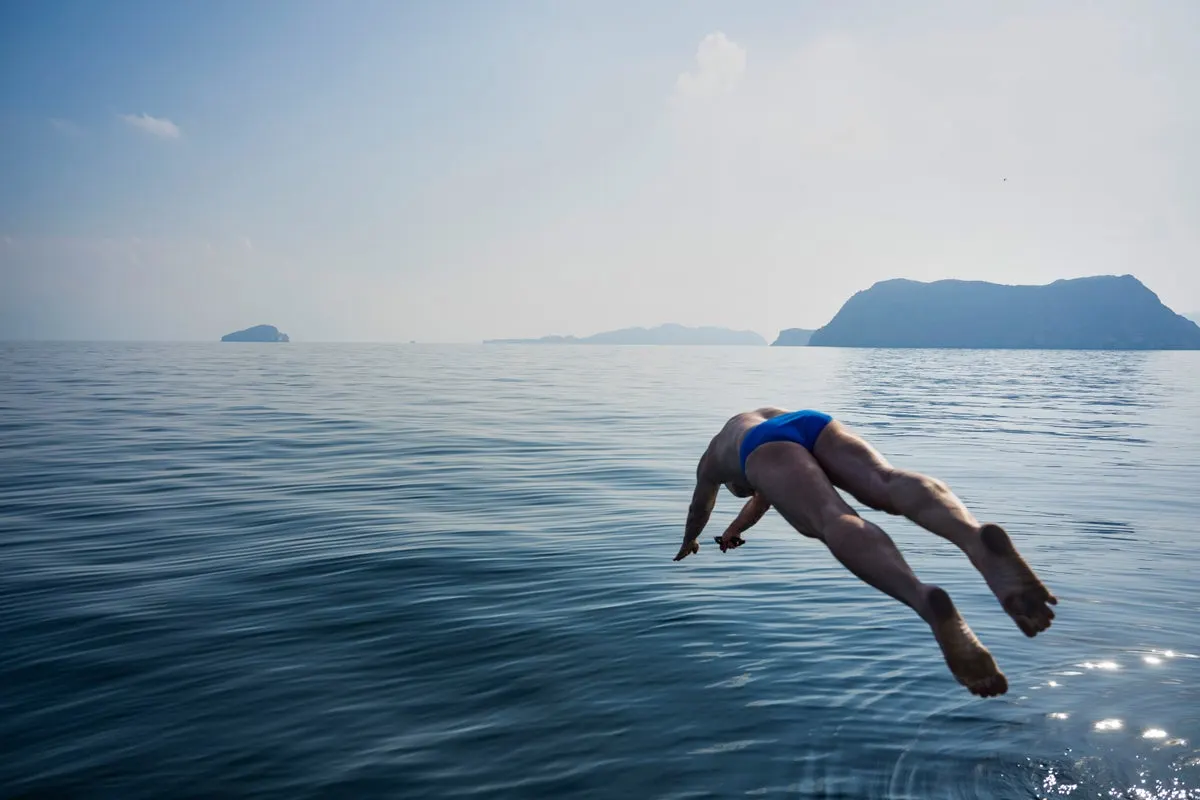
According to reports published on November 21, British endurance athlete Lewis Pugh spent three days swimming in the Strait of Hormuz to raise awareness of ecological harm caused by the conflict involving Iran. He called for fighting to stop, the waterway to reopen and pollution to be addressed.23
Swimming through a shipping route
It is thought that no one before Pugh had undertaken an extended swim in the strait after the war started. The BBC reported that he covered about 15km. According to The Independent, the challenge was divided into sections across three days, with roughly six and a half hours spent swimming.123
The Independent described his route as running from the Musandam peninsula to the Cape of Hormuz. The Guardian reported that a small expedition team accompanied him, with a support boat and a kayak staying alongside as he swam. The BBC identified Pugh as a United Nations Patron of the Oceans.123
The strait is a major international shipping passage and an important route for oil exports from the Middle East. Dugongs, sea turtles and whale sharks are among the marine species that inhabit the waterway. Pugh told The Independent that he had seen numerous dolphins, turtles and ospreys in the area.123
Attacks and pollution
The Guardian reported that the Lewis Pugh Foundation said Pugh saw merchant ships being attacked, heard or observed far-off blasts and noticed military aircraft flying above him. The newspaper also reported that he passed near Tara Gas, a liquefied petroleum gas carrier that was still burning.1
Pugh expressed concern for the people aboard the vessel. “My immediate thoughts were for the seafarers on board,” he told the BBC. He said attacks on ships carrying highly flammable gases could have catastrophic effects on both their crews and the surrounding marine environment.2
The Guardian cited United Nations figures saying at least 175 vessels had been attacked since the fighting started, with about 30 attacks causing significant pollution. Pugh warned that oil spills and other contamination could affect marine ecosystems over the long term, with damage continuing after hostilities end.12
A call to address the damage
Pugh said the environmental consequences of conflict often attracted less attention than its human toll. His appeal combined a demand to end the fighting with calls to reopen the strait and tackle the resulting pollution, placing the waterway’s wildlife alongside shipping in his account of what was at risk.12
Why it matters
For readers in Europe, the story concerns both an important international oil-shipping route and the wildlife it supports. Pugh’s warning is that pollution from attacks on vessels can continue damaging marine ecosystems after the fighting has ended.12
Videos
Related stories
same place


Version history
- version 1 ·