Sport · United Kingdom
Manchester City Found Guilty on 114 of 115 Financial Charges
An independent Premier League commission ruled that Manchester City breached financial regulations on all but one of the charges brought against it, covering nine seasons; the club says it will appeal and no sanction has yet been set.
An independent commission found Manchester City guilty on 114 of 115 Premier League financial rule charges covering 2009-2018; the club plans to appeal and no punishment has been set.
- Guilty verdict on 114 of 115 charges covering 2009-10 to 2017-18
- Club says it will appeal; no sanction yet decided
- Chairman Khaldoon Al Mubarak insists City is innocent
- Ex-player Joe Hart says he still trusts the chairman
- UAE-UK relations drawn into the story by commentators
What's new
- Independent commission finds Manchester City guilty on 114 of 115 Premier League financial charges
- Club chairman Khaldoon Al Mubarak vows to appeal and maintains City's innocence
- Former City goalkeeper Joe Hart says he still trusts the chairman
- No sanction decided yet; other clubs reportedly weighing compensation claims
Manchester City, the Premier League football club, was found guilty by an independent commission of breaching Premier League financial rules on 114 of the 115 charges brought against it, covering the 2009-10 to 2017-18 seasons, according to rulings reported between September 25 and 29, 2026. The club said it intends to appeal, and no sanction had been determined as of publication.264
The verdict
After a four-year probe, the Premier League brought charges against Manchester City in February 2023, and a ruling from an independent commission followed a hearing that started in September 2024 and lasted roughly twelve weeks. The panel found the club guilty on nearly all of the 115 charges, which involved financial rule breaches spanning nine seasons between 2009-10 and 2017-18.124
The charges included failure to provide accurate financial information and failure to cooperate with Premier League investigations between December 2018 and February 2023. Manchester City has said it intends to appeal the ruling.126
No sanction had been determined as of publication, and the independent commission's full findings had not yet been published. Reported possible penalties range from a fine to a points deduction or a transfer ban.641
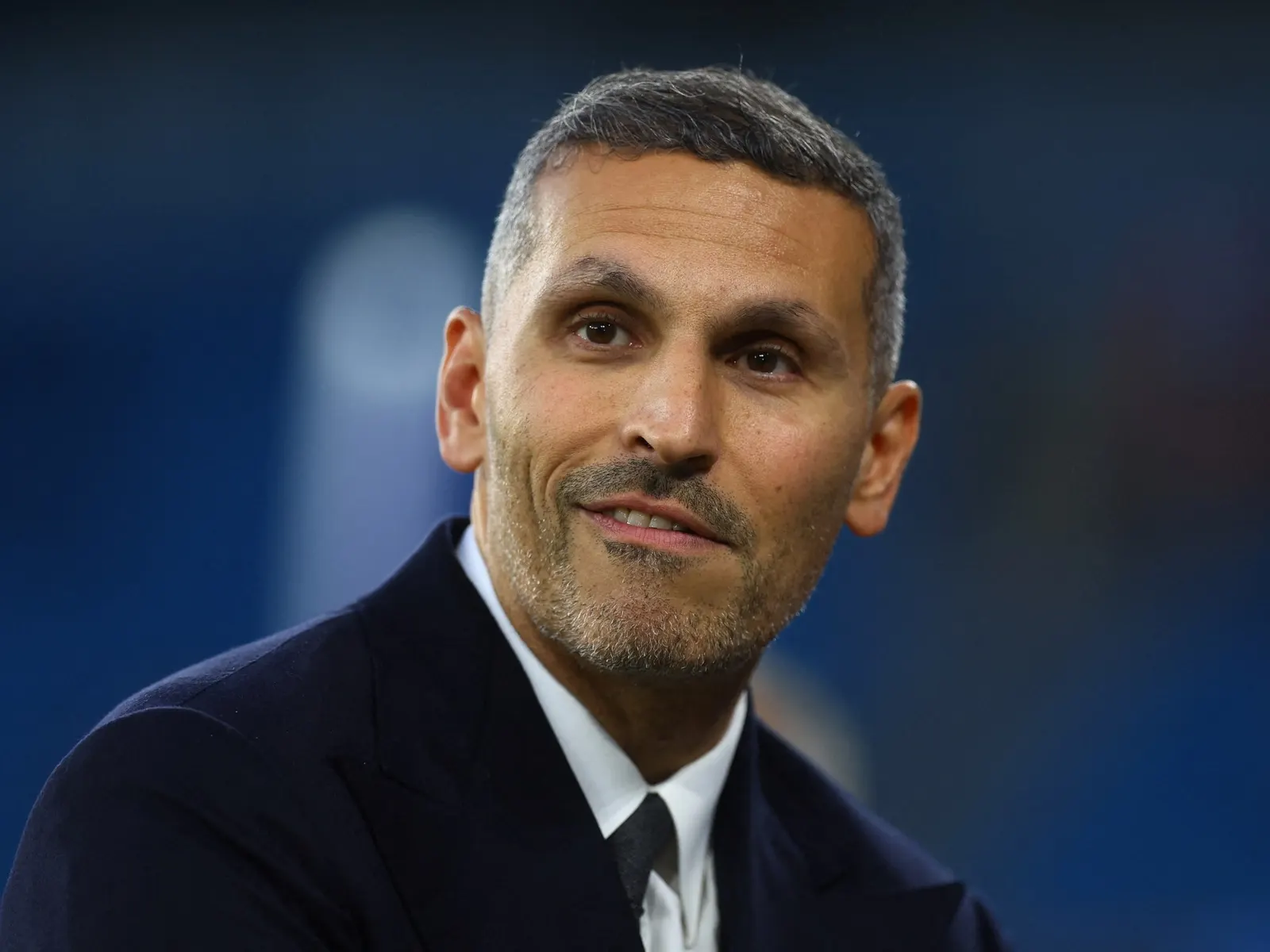
Khaldoon Al Mubarak, the club's chairman and also head of Abu Dhabi's Mubadala investment fund, expressed continued confidence the club would be vindicated, saying: "our confidence and intent in proving the club's innocence is just as strong as when this began."54
Reaction from the game
Mauricio Pochettino, the United States men's national team head coach who managed Tottenham Hotspur from 2014 to 2019, said that if City were found guilty, supporters had "lived through a period of deception."123
Pochettino, who also managed Southampton for 15 months and Chelsea for one season during the period covered by the charges, said Tottenham went 18 months without making a transfer while building its new stadium and was the only Premier League club to operate under such a freeze while still competing for titles and a top-four finish. He noted Chelsea were champions in 2016-17, with his Tottenham side finishing second.12
Reports indicated that other Premier League clubs were consulting lawyers about potentially pursuing compensation in light of the ruling.2
Joe Hart, the 39-year-old former Manchester City goalkeeper who won the Premier League twice with the club, said he continued to trust the chairman. "There's nothing making me doubt Khaldoon... he has handled his role at Manchester City really well," Hart said in an interview with BBC Radio 5 Live, adding that no final outcome has yet emerged from the ongoing legal dispute.58
UAE-UK relations under scrutiny
Sheikh Mansour bin Zayed Al Nahyan owns Newton Investment and Development LLC outright, which in turn holds a controlling stake in Manchester City, while Silver Lake owns roughly 17 percent as a minority investor.4
According to Semafor, the verdict is seen as tainting one of the UAE's prominent soft-power achievements, with rival supporters framing it as evidence that City bought its way to success. Khaldoon Al Mubarak met with Andy Burnham, who called Abu Dhabi "huge partners" for investment in Manchester's poorest areas.7
Analysts cited by AGBI said the case sits within a broader web of ties between Britain and the Gulf. Simon Chadwick remarked: "Abu Dhabi ownership of City is deeply embedded in a network of diplomatic, economic and investment relations between Britain and the Gulf state." Anas Sarwar, who has traveled to both Saudi Arabia and the UAE, argued that the football dispute shouldn't be taken as representative of the broader relationship: "Some of the sticky issues within football, to pretend that that's somehow the extent or the depth of the UAE's relationship with the UK. It's not," he said, adding that Gulf investment had "helped transform Manchester" and London Gateway.4
Kristian Coates Ulrichsen said the reaction could prove more significant than an earlier dispute over a blocked media acquisition: "We saw how Abu Dhabi responded with anger to the Telegraph backlash and this is bigger and potentially more damaging."4
Background
According to the Guardian, Manchester City's difficulties trace to a 2018 investigation by Der Spiegel citing leaked internal documents. Uefa subsequently banned the club from the Champions League and fined it €30m in 2020, a sanction later overturned by the Court of Arbitration for Sport, which found that some of the alleged violations had occurred too long ago to be pursued.1
The Premier League case, covering nine seasons, has included allegations that City falsified financial details centred on player and coach payments; the BBC reported that the charges also concerned inflated sponsorship revenue from connected companies and off-the-books payments intended to circumvent financial rules.12
Why it matters
The case tests the Premier League's ability to enforce its own financial rules against one of its most successful and state-backed clubs, with implications for competitive fairness across European football. The outcome could also affect Britain's diplomatic and investment relationship with the United Arab Emirates.247
Videos
Related stories
Version history
- version 1 ·