World · North Korea, South Korea
North Korea Denies DMZ Mine Blast, Threatens Retaliation
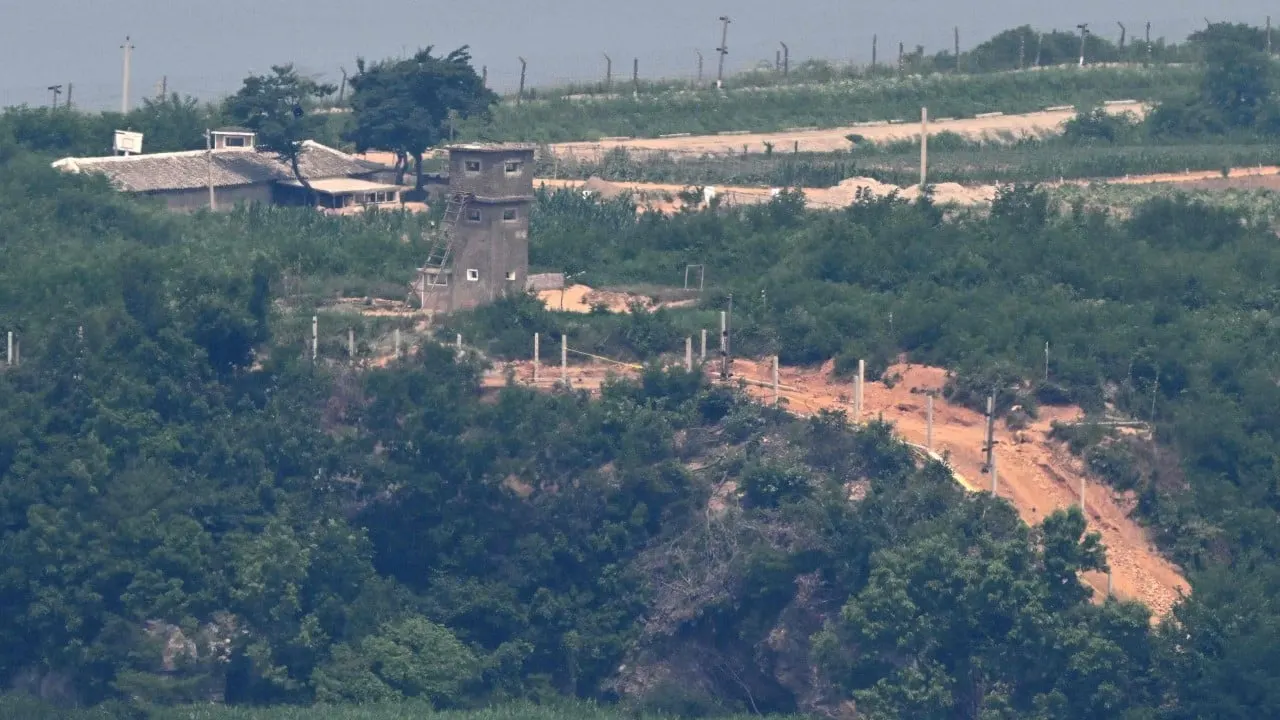
Breaking her silence nine days after a mine went off inside the DMZ on September 21, Kim Yo-Jong dismissed the blast as a fabricated story and threatened to hit back, even as South Korea's military pointed to a North Korean mine as the cause.
A DMZ mine blast injured South Korean troops; Seoul blames a North Korean mine, Pyongyang denies it and threatens retaliation.
- Mine exploded in DMZ on September 21, injuring South Korean soldiers
- Seoul's military and UN Command say a North Korean mine caused it
- Kim Yo-Jong denies responsibility, calls it fabrication
- North Korea warns of retaliation if South fires live rounds
- Political dispute erupts in Seoul over government response
What's new
- Kim Yo-Jong breaks nine-day silence, calls the mine blast an "obvious fabrication"
- South Korean military says a North Korean mine likely caused the September 21 blast
- North Korea says it will reinforce tactical counterattack means opposite the 21st Infantry Division
- Political row breaks out in Seoul over the government's handling of the incident
North Korea's Kim Yo-Jong, a senior Workers' Party official, said on September 30 that a mine explosion in the Demilitarized Zone on September 21 was a fabrication by South Korea and warned of immediate retaliation if South Korean troops fire live rounds, as South Korea's Joint Chiefs of Staff said a North Korean mine was likely responsible for the blast that injured South Korean soldiers.561
Denial and threat of retaliation
Kim Yo-Jong, who holds a senior post in the Workers' Party of Korea's Central Committee, said North Korean forces "have never crossed the border even once" and accused Seoul of fabricating findings about the explosion, according to the Korean Central News Agency.56
She cautioned that should Southern forces fire actual bullets—rather than merely warning shots—at North Korean soldiers, Pyongyang would answer with "immediate and merciless retaliation," adding that the North had decided to beef up its tactical counterattack forces facing South Korea's 21st Infantry Division, which oversees that stretch of the DMZ.536
TASS reported that North Korea plans to boost its tactical counterattack capabilities in the DMZ sector under the 21st Infantry Division's area of responsibility, citing what it described as frequent provocative actions in the zone, a characterisation not confirmed by other sources.3
South Korean findings and background
South Korean military officials attributed the September 21 blast to a mine planted by North Korean forces, noting that it wounded South Korean troops who were carrying out a search mission below the Military Demarcation Line. Four additional mines were found at the site afterward, and the United Nations Command ruled that the episode breached the armistice, which bars hostile activity within the DMZ and mandates UNC approval before crossing the demarcation line.14
The Korea JoongAng Daily reported that North Korea has repeatedly crossed the Military Demarcation Line along the eastern front while installing fences and laying mines, and that Kim Jong-un ordered fortification of the North's side of the DMZ beginning in 2024. It drew a parallel with a 2015 mine attack that severely injured two South Korean soldiers, after which North Korea expressed regret and the two sides held high-level talks at Panmunjom.4
South Korean Unification Minister Chung Dong-young, who cut short a European trip and cancelled stops in Dublin and at Germany's reunification anniversary ceremony, said a thorough investigation was needed to establish the facts. He said efforts toward peace "must not become a pretext for disparaging or distorting our efforts toward peace on the Korean Peninsula" and called for reflection rather than partisan strife.1
Political dispute in Seoul
The incident triggered a clash between South Korea's governing and opposition parties. Democratic Party leader Kim Min-seok said, "We condemn North Korea's violation of the armistice agreement," and demanded an apology. People Power Party figures criticised the government's handling of the matter: spokesperson Park Choong-kwon said authorities described the likelihood of a North Korean mine as "very high" while calling deliberate intent "limited," and lawmaker Kwon Young-se said an immediate investigation should have followed rather than a delay of days.1
The Seoul Economic Daily reported that President Yoon Suk-yeol's administration limited its response to warning shots and failed to determine the mines' locations, even as several Democratic Party members argued that more evidence was needed before concluding North Korea had acted with intent.1
Analysts cited by South Korean outlets said North Korea's denial fits a broader pattern. Lim Eul-chul, a professor at Kyungnam University's Institute for Far Eastern Studies, said North Korea appears to judge that actively denying responsibility is necessary as it pursues a permanent border arrangement.5
Calls for dialogue
According to the South China Morning Post, the explosions underscore an urgent need for Seoul and Pyongyang to reopen military communication channels so tensions do not spiral further, pointing out that North Korea's DMZ fortifications are seen by the South as a threat.2
Why it matters
The dispute involves a nuclear-armed state, an active armistice line and competing claims about an armed clash.24
Videos
Related stories

Version history
- version 1 ·