World · South Korea, North Korea
Mine blasts injure three South Korean soldiers near North Korean border
South Korea and the United Nations Command concluded that the mines were North Korean in origin. Pyongyang denied deliberately placing mines in the border zone and later announced an intermediate-range missile test.
South Korea and the United Nations Command blamed North Korean-origin mines for explosions that injured three soldiers. Pyongyang denied deliberate placement and subsequently announced an intermediate-range missile test.
- Three South Korean soldiers were injured in two DMZ mine explosions.
- The United Nations Command found an armistice violation.
- North Korea denied deliberately planting mines in the border zone.
- Pyongyang later announced an intermediate-range ballistic missile test.
- Kim Yo Jong ruled out contact with South Korea.
What's new
- North Korea said it tested an intermediate-range ballistic missile.
- Japan said the missile landed outside its exclusive economic zone.
- Pyongyang rejected South Korea’s landmine accusation and demand for an apology.
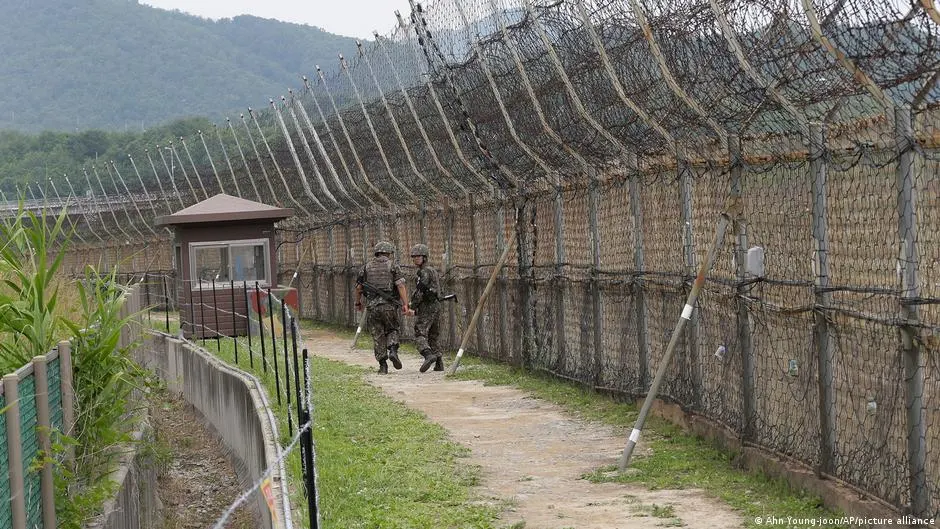
Three South Korean soldiers were injured on September 21 when two mines exploded during a patrol on the South Korean side of the Demilitarized Zone, according to Deutsche Welle. South Korea’s military and the United Nations Command later concluded that the mines were North Korean in origin, while Pyongyang denied deliberately planting them in the border area.13
Two explosions during a patrol
According to Deutsche Welle, the soldiers were part of an 18-member unit opening a fresh path across the DMZ. A staff sergeant triggered the first mine, and a second exploded when the unit commander approached to assist him. The two soldiers directly affected underwent surgery, while a third was treated for minor injuries, according to the report.1
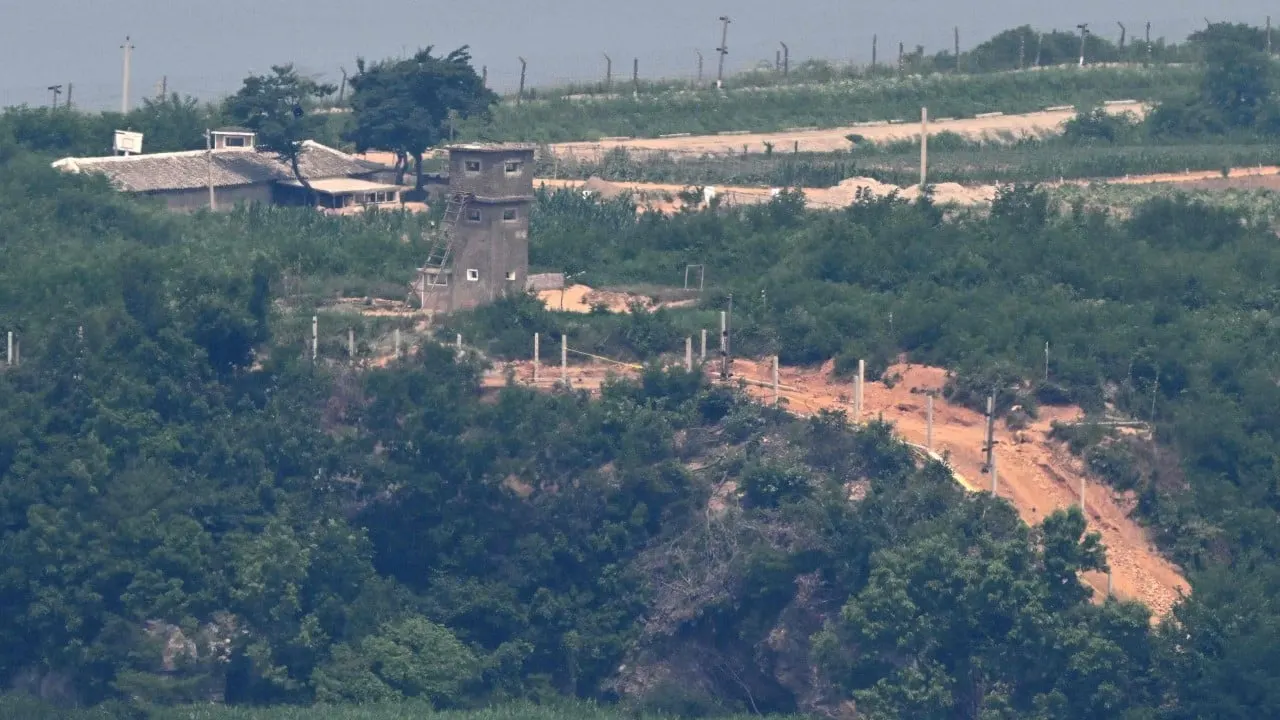
The explosions occurred on the South Korean side of the Military Demarcation Line, which runs through the DMZ. The buffer zone is four kilometres wide and has divided the Korean peninsula since the 1953 armistice.1
Conflicting accounts of responsibility
After investigating with the United Nations Command, South Korea’s military said the mines were of North Korean origin. The Joint Chiefs of Staff accused North Korea of laying mines south of the demarcation line, called the incident a breach of the armistice and demanded that Pyongyang stop further border fortification and apologise. The United Nations Command separately determined that an armistice violation had occurred.1
North Korea rejected the accusation as groundless and dismissed the demand for an apology, according to The Japan Times. Kim Yo Jong, who is North Korean leader Kim Jong Un’s sister, said Pyongyang had not intentionally laid mines in the border area. Deutsche Welle reported that she also accused South Korea of staging a provocation and threatened retaliation.13
The available accounts do not settle whether the mines were deliberately placed where they exploded. Choo, a foreign-policy professor at Kyung Hee University, interpreted their location as an attempt by North Korea to intimidate the South. Andrei Lankov, a professor at Kookmin University, questioned deliberate placement, while another possibility reported by Deutsche Welle was that heavy rain or terrain movement shifted mines from the northern side of the line.1
Pressure along the border
North Korean troops crossed the Military Demarcation Line about 20 times in August and 30 times in September, according to figures reported by Deutsche Welle. South Korean forces fired warning shots when they detected crossings in August.1
The dispute also bears on efforts by South Korean President Lee Jae Myung to reopen dialogue. Kim Yo Jong ruled out any engagement between the two governments and denounced what she described as attempts to enable dialogue. Le Monde framed the explosions as a threat to prospects for renewed dialogue between the neighbours.34
Missile test follows the dispute
On October 2, Japan’s Defence Ministry detected at least one apparent ballistic missile launched by North Korea and said the missile or missiles fell into the sea several minutes later. South Korea’s military described the launch as an unidentified projectile fired towards the Sea of Japan.3
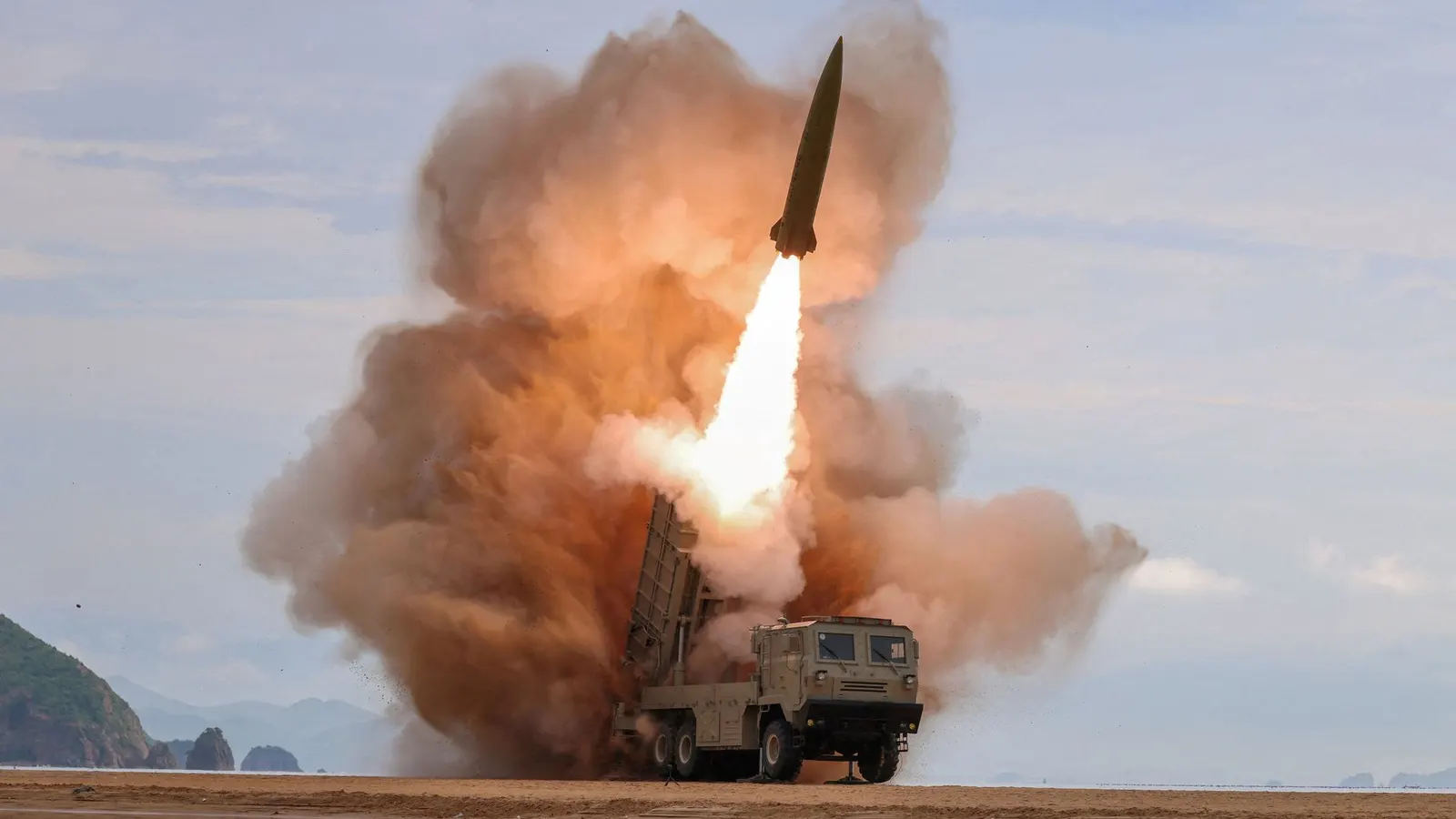
North Korea said on October 3 that it had tested an intermediate-range ballistic missile under Kim Jong Un’s supervision. According to the North Korean account reported by the South China Morning Post, the weapon could alter its trajectory at low altitude and had unspecified artificial-intelligence capabilities intended to complicate interception. Kim Yo Jong described it as a strategic missile. Japan’s military said it landed outside Japan’s exclusive economic zone.2
The launch followed North Korea’s September 20 test of two missiles. Pyongyang said at least one of those launches involved a new type of weapon, described in The Japan Times as an apparent hypersonic missile and glide vehicle intended to overcome opposing defences.3
Why it matters
For readers in Europe, the episode shows how a disputed border incident can coincide with renewed missile activity and the breakdown of communication between two governments. North Korea says its latest missile can manoeuvre to evade defences in South Korea and Japan, while the South and the United Nations Command say the mine incident breached the armistice arrangements governing the border.123
Videos
Related stories

Version history
- version 1 ·