World · Oman, Israel
Questions over Flydubai co-pilot’s reported vetting after attempted hijacking
Reports say an Omani co-pilot previously removed from flying duties was later hired by Flydubai. Authorities have not publicly set out a motive or said whether he acted alone.
Reports of an attempted takeover of a Flydubai flight have raised questions about the reported vetting of its Omani co-pilot.
- UAE called September 30 incident an attempted terrorist operation.
- Reports say flight was diverted and landed in Saudi Arabia.
- Oman reportedly removed co-pilot from flying duties earlier.
- Vetting, motive and possible accomplices remain unclear.
What's new
- Reports raised questions about Flydubai’s vetting of Hamam al-Hammami.
- Oman reportedly had earlier concerns about the co-pilot’s alleged extremist views.
- Israel says it will strengthen checks after the September 30 incident.
- The UAE has not publicly announced a motive or whether others were involved.
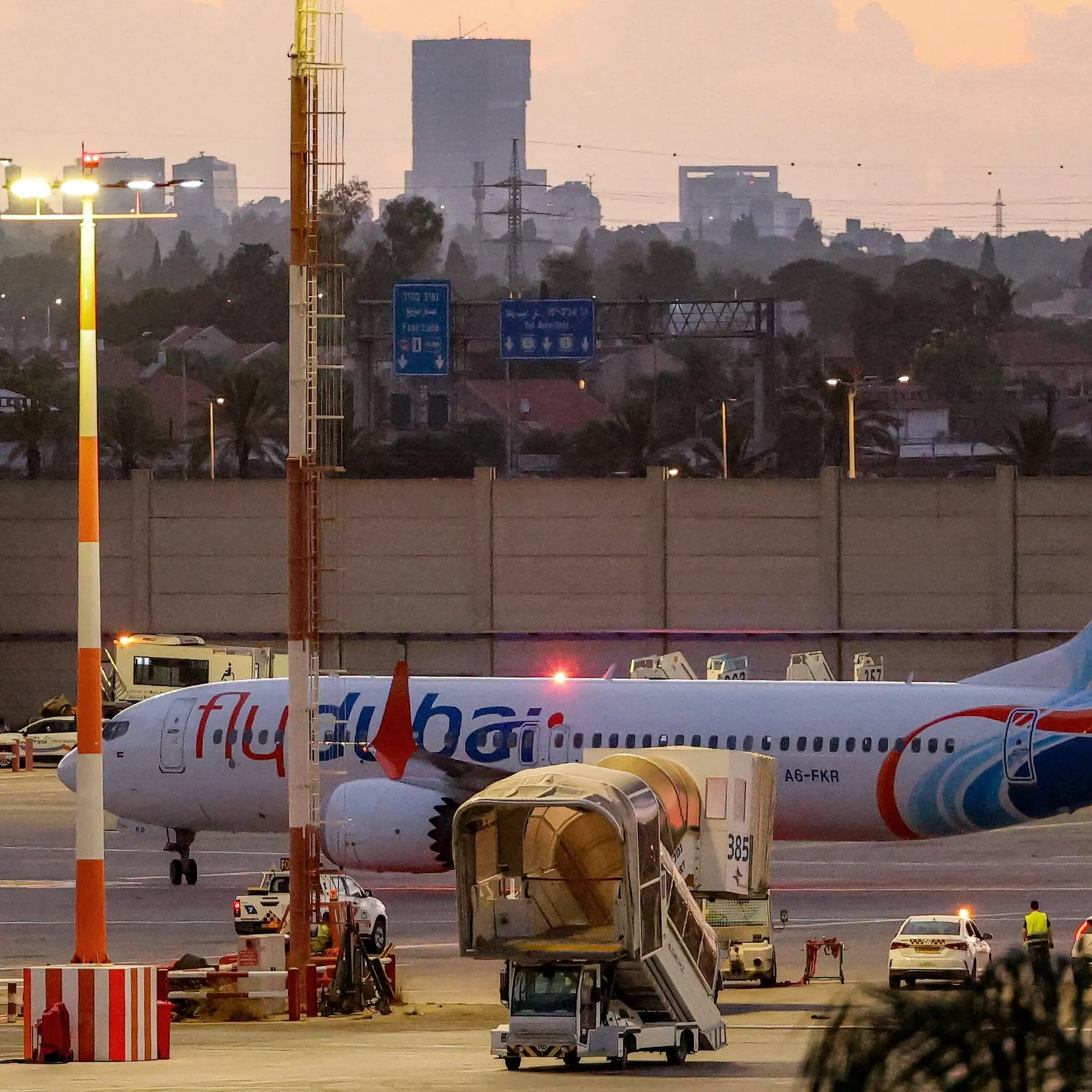
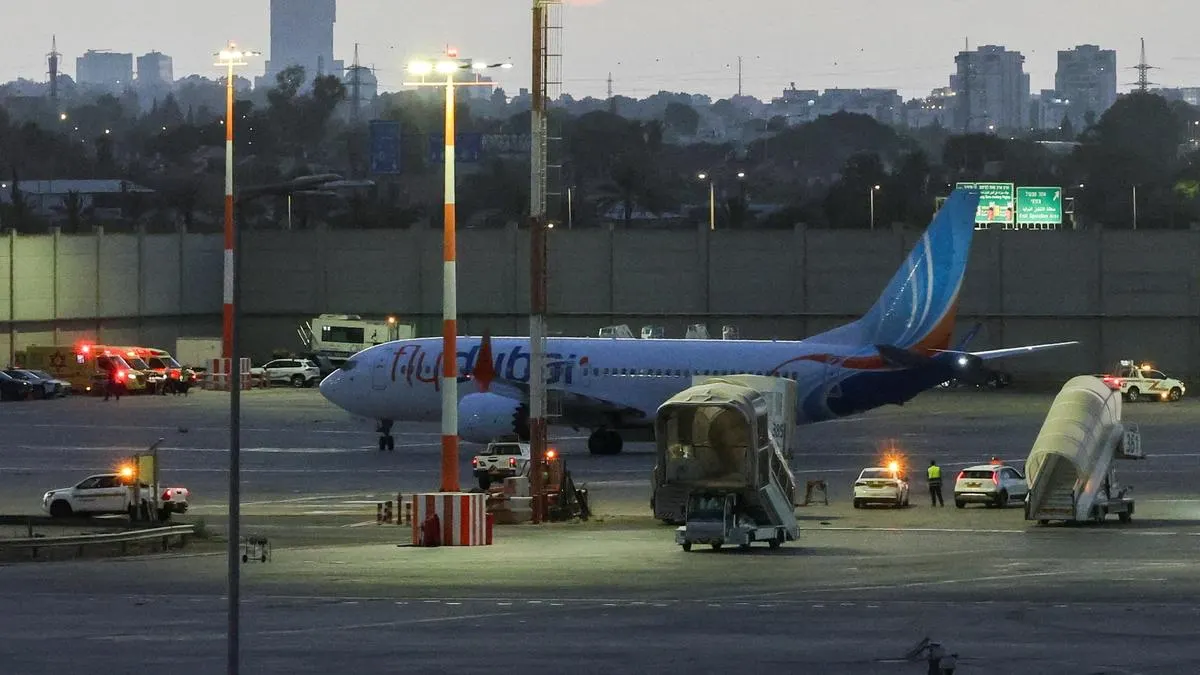
The United Arab Emirates said an attempted terrorist operation took place aboard Flydubai flight FZ1073, travelling from Dubai to Tel Aviv, on September 30. Reports identified the co-pilot as Hamam al-Hammami, an Omani national who was alleged to have attacked the captain and tried to take control of the aircraft before it landed in Saudi Arabia.12
Earlier concerns reported
According to Al Jazeera, concerns over al-Hammami’s alleged extremist views had previously led Oman to remove him from flight duties. It said he was transferred to an administrative post at Oman Air before Flydubai hired him. The New York Times separately reported that Omani officials had examined the co-pilot after he embraced extreme Islamist views.13
The Jerusalem Post, citing a CBS report, said Flydubai hired al-Hammami without checking with the Omani government. It also reported that Omani authorities had monitored him while he worked at Oman Air and found that he had “visited extremist websites”. Those accounts have not been independently confirmed in the material available.2
A Gulf diplomat told Al Jazeera that al-Hammami underwent standard security checks before Flydubai employed him. But the outlet said the scope of any vetting remained unclear, as did whether Oman shared its reported concerns with other governments or airlines.1
Flight diverted to Saudi Arabia
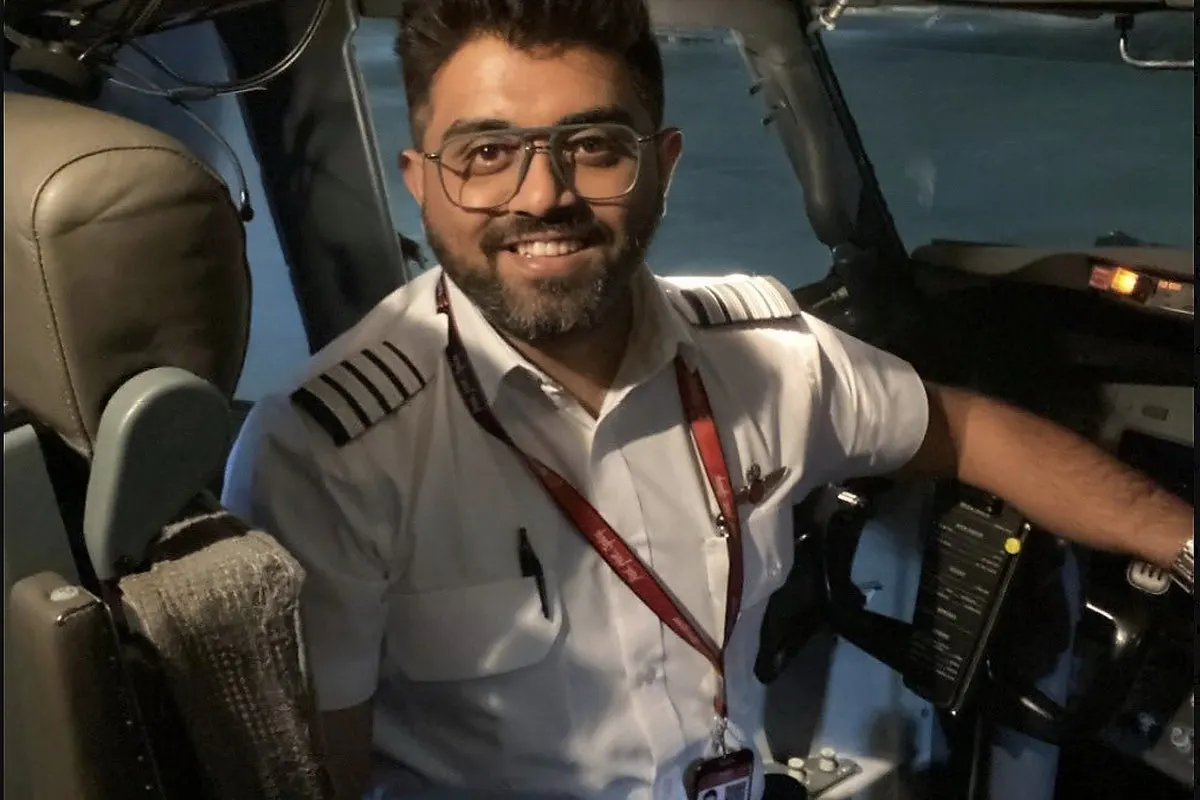
According to Al Jazeera, al-Hammami used an emergency axe to attack his captain and attempted to seize control of the Israel-bound flight on September 30. The Jerusalem Post reported that the captain, identified as Indian pilot Smit Machchhar, was stabbed and that passengers and off-duty crew restrained the co-pilot. It said another crew member landed the aircraft in Saudi Arabia.12
The Jerusalem Post said 174 passengers from Israel were taken back to Ben-Gurion Airport. It also said an Israeli dentist helped treat the injured pilot and that the pilot was later reported stable in Saudi Arabia. These details are based on that outlet’s report.2
Security procedures under scrutiny
The case has drawn attention to differing arrangements for commercial-pilot checks. Al Jazeera reported that there is no single worldwide framework for pilot background screening. Pilots generally need medical certification from the regulator where they are licensed, while some airlines also request police-clearance certificates during recruitment.1
Israeli law enacted in 2023 requires airlines to supply the names and nationalities of passengers and crew up to 48 hours before a flight, according to Al Jazeera. According to the outlet, the Israel Tax Authority confirmed it had been given manifests identifying the Flydubai flight’s passengers and crew.1
Prime Minister Benjamin Netanyahu described the episode as a “loophole” and said Israel would reinforce its checks, according to Al Jazeera. He said Israel had also maintained agreements with overseas carriers intended to stop citizens of countries lacking diplomatic ties with Israel from travelling there by air.1
Investigation unresolved
The UAE has not publicly set out a motive for the incident or said whether investigators think al-Hammami acted alone, Al Jazeera reported. UAE presidential adviser Anwar Gargash said the attack was a further warning about the region’s continuing fight against extremism.1
Questions also remain over al-Hammami’s nationality and employment history. Al Jazeera and other reports described him as Omani, while the Jerusalem Post said the Omani government had not confirmed his nationality and reported that he may hold dual citizenship. Al Jazeera said he left Oman Air in February 2025 following seven years there, began work at Royal Air Maroc that June, and left that airline in January this year.12
Why it matters
For readers in Europe, the reports highlight how security screening for commercial aviation can depend on national regulators, employers and information-sharing arrangements rather than a single global rulebook. The incident also raises questions about how airlines assess concerns identified by a pilot’s previous employer or national authorities.1
Videos
Related stories


Version history
- version 1 ·