World · Israel, United Arab Emirates
FlyDubai Co-Pilot Accused of Plot to Crash Jet Into Tel Aviv Airport
Israeli and Emirati officials say an Omani co-pilot attacked his captain with a crash axe over Jordan last week in an alleged bid to fly the aircraft into Ben Gurion International Airport.
Officials say a FlyDubai co-pilot attacked his captain with an axe, intending to crash the plane into Tel Aviv's Ben Gurion Airport; the flight diverted safely to Saudi Arabia.
- Omani co-pilot Hamam al-Hammami accused of planning crash attack
- Attacked captain Smit Machchhar with crash axe mid-flight
- Reserve pilot landed plane safely in Tabuk, Saudi Arabia
- UAE calls it a terrorist attack; motive cited as revenge for Gaza
- Netanyahu orders review of foreign pilot security procedures
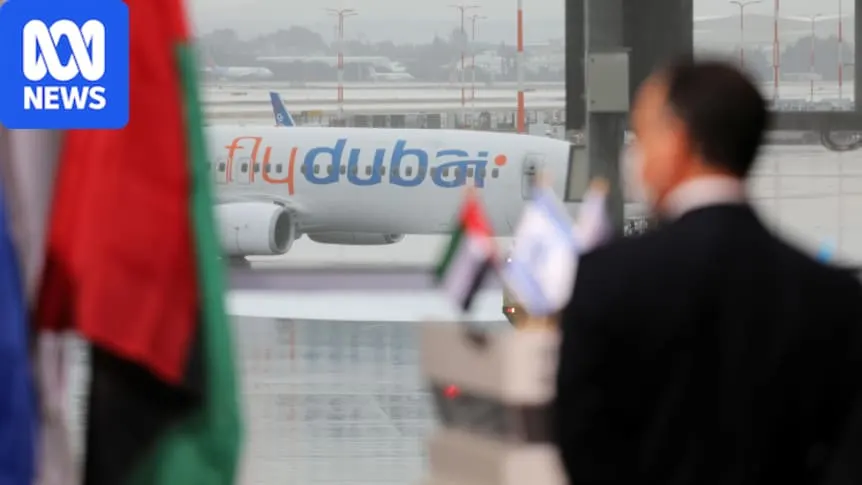
What's new
- Co-pilot identified as Omani national Hamam al-Hammami
- Officials say attack was planned before he joined FlyDubai
- New reports describe a backup plan to hit a US base in Jordan
- New Zealand police reviewing his 175 days of flight training there
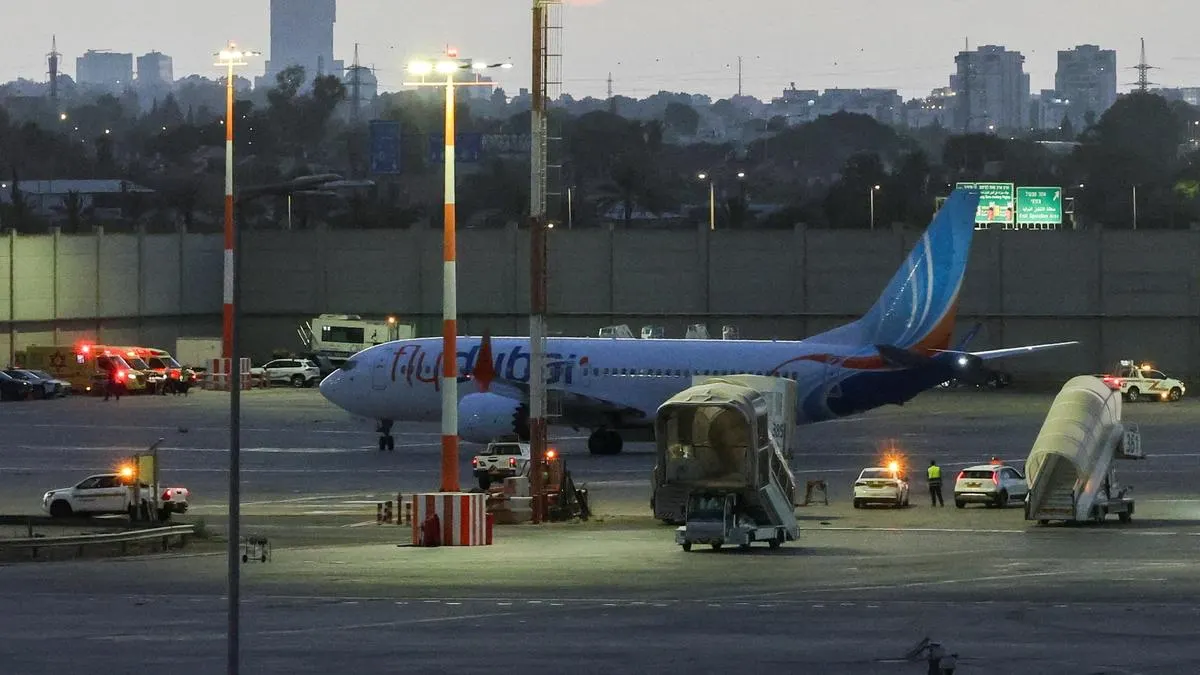
A FlyDubai co-pilot, identified by officials as Omani national Hamam al-Hammami, attacked his captain with an emergency crash axe aboard flight FZ1073 from Dubai to Tel Aviv last Wednesday, in what Israeli and Emirati officials say was an attempt to crash the aircraft into Ben Gurion International Airport. The plane, carrying mostly Israeli passengers, diverted and landed safely at Tabuk airport in northwestern Saudi Arabia after a reserve pilot took control.2365
The attack and diversion
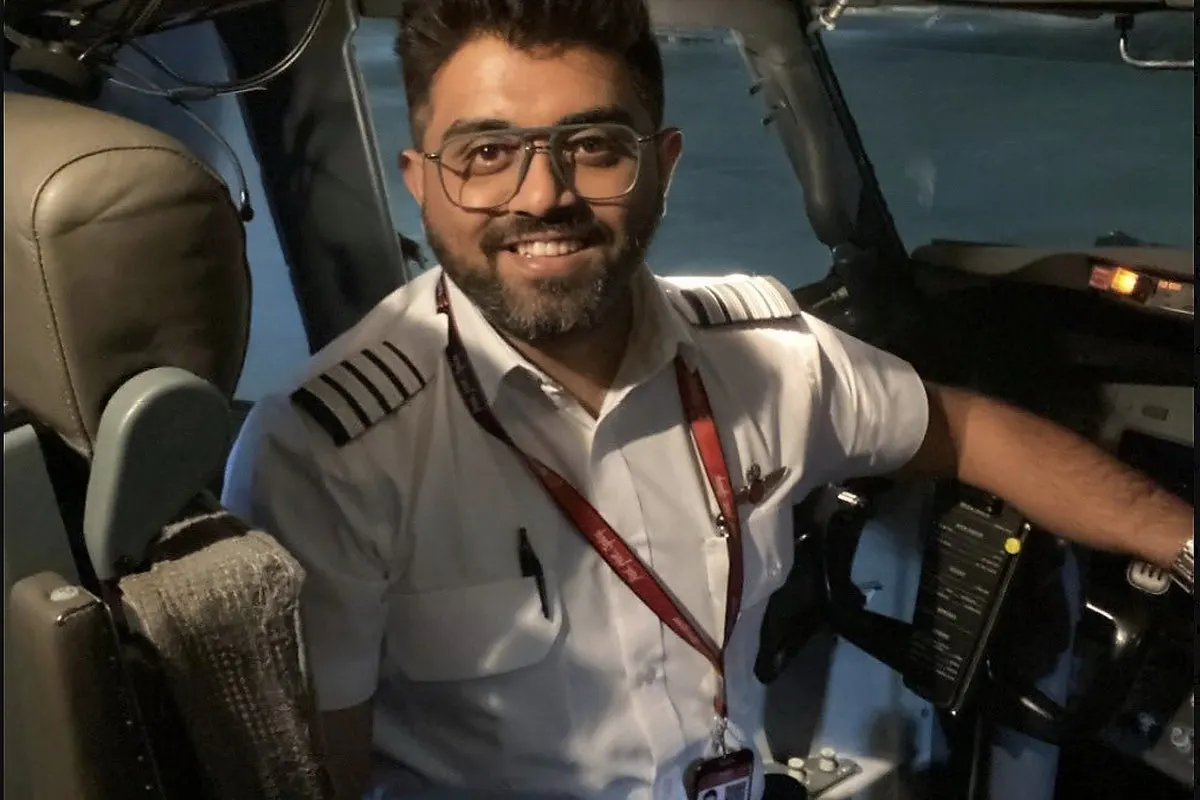
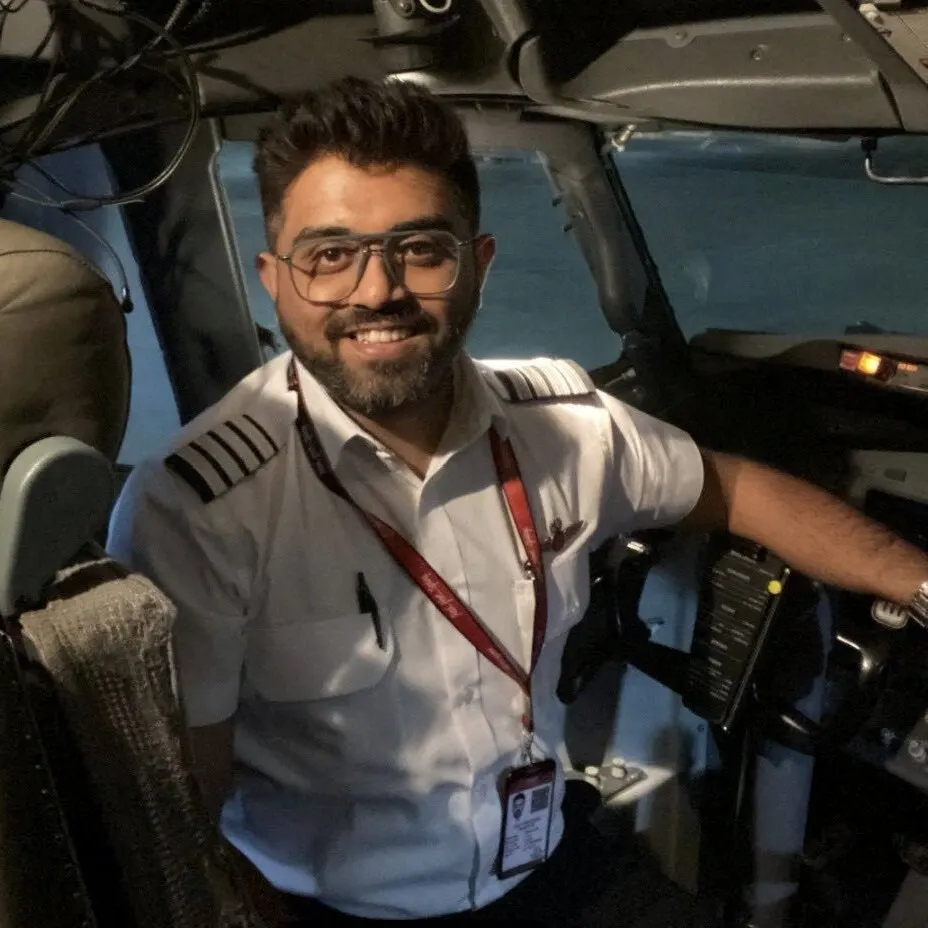
According to officials, al-Hammami requested a prayer break before turning on captain Smit Machchhar, an Indian national with 17 years of experience, striking him from behind with the aircraft's emergency crash axe. The assault occurred while the flight was over Jordanian airspace, according to one account, and the aircraft plunged nearly 14,000 feet in under 30 seconds before Machchhar regained control. One source put the drop at 16,000 feet, a figure disputed by other reporting.9265
Machchhar described the moment he was struck: "Because of his initial blows, my vision was almost like nothing, and I was completely blurred out." He said he initially thought the dive was mechanical: "The next feeling that I had was that the aircraft was sharply going down," before realising, "I realized that it's not the aircraft, it's the other guy who was in the cockpit with me." He forced his way out, saying, "I gave everything that I had, and just went for the door and opened the door," adding that "people were waiting to pounce back."7
A reserve pilot took over and landed the aircraft at Tabuk airport in Saudi Arabia. Officials said the flight was carrying 174 people, mostly Israeli, though one source put the figure at 172. All passengers and crew were reported safe after the emergency landing. Al-Hammami was detained and transferred to the United Arab Emirates, where the prosecutor general, Hamad Saif al-Shamsi, said he "attempted to carry out a terrorist attack when he attacked the flight captain with an axe."2573
Alleged planning and motive
Israeli officials said al-Hammami told UAE interrogators he had planned the attack before being hired by FlyDubai more than a year ago, and that he applied to the airline after searching for carriers that flew to Tel Aviv. He is believed to have operated an earlier flight to Tel Aviv this year with the intention of hijacking and crashing it, and is thought to have known someone aboard that flight. According to one report, he had originally targeted July as the timing for the attack but abandoned that plan.24
Reports citing interrogators said al-Hammami's original plan involved disposing of the captain, continuing the flight normally, and crashing only after receiving landing clearance. He reportedly told investigators his motive was revenge for Gaza and a wish to die as a martyr. Accounts also describe a backup target: if he could not reach Ben Gurion Airport, he intended to crash into a United States military base in Jordan.1095
Investigators have examined al-Hammami's background, including time spent in New Zealand, where police confirmed he spent 175 days for flight training and are reviewing records from that period. He had earlier been enrolled at RMIT University in Melbourne studying engineering, reportedly between 2015 and 2017, on a student visa issued in 2014 that was cancelled in 2019 for lack of course enrolment rather than character grounds. He went on to spend three months in classroom-based training at Royal Air Maroc in 2025, was ultimately turned down for a job there, and Oman Air later grounded him once he was identified as a potential security concern.2511
Political and security fallout
Israeli Prime Minister Benjamin Netanyahu instructed the National Security Council to "conduct a thorough review of all security aspects regarding foreign civil aviation to Israel." He said Israel does not permit pilots from countries with which it has no diplomatic relations, including Oman, to fly to Israel, and described al-Hammami as having undergone radical Islamist indoctrination and being clearly suicidal. Israel's Ministry of Transport conceded that its current rules fail to account for risks that could come from a pilot of foreign nationality.258
Israeli lawmaker Eytan Ben David said the case exposed a gap in vetting: "It's enough that you see that he is of Omani nationality to say, 'Stop, he cannot fly to Israel because he is Omani, replace him with another pilot,'" calling it "a huge failure, and it's a big miracle." He added, "I'm sure all the countries in the world heard about this and said to themselves, 'Let's check what the situation is for us.'" US Vice President JD Vance said, "We knew that guy was a problem – not United States intelligence, but if you look historically, that person should not have been flying an airline," and said the US was reviewing its own procedures. US President Donald Trump suggested, citing information he said he had received, that the co-pilot may have had ties to or been acting on behalf of the Islamic Republic–an assertion the dossier does not independently verify.47
Officials in Israel traded accusations over oversight of the co-pilot's hiring, and Netanyahu's opponents called for a wider investigation. The episode comes amid a tight Israeli election race, though one report suggested the attack would likely not change voting attitudes. The Victorian Joint Counter Terrorism Team in Australia is reported to be examining al-Hammami's links there.3
Aviation security context
The incident has been placed by some outlets within a longer history of cockpit-security changes since the September 11, 2001 attacks, when the US federal air marshal programme was greatly expanded. US airlines installed reinforced cockpit doors in April 2003, and the International Civil Aviation Organization made such doors a worldwide requirement later that year. Two later disasters renewed scrutiny of cockpit access: a Mozambique Airlines aircraft crashed in Namibia in November 2013 after the captain manually altered settings, and a Germanwings Airbus A320 crashed in the French Alps in March 2015 after the co-pilot locked the captain out of the cockpit. As of August 2026, US regulations mandating an additional cockpit-entry barrier became binding for newly manufactured planes.1
Why it matters
The case has raised questions about how airlines and national aviation authorities vet pilots from countries without diplomatic ties to their destination, a gap officials say was exposed on this flight. European regulators and carriers operating routes to Israel or through the Middle East may face pressure to reassess crew-screening procedures in light of the incident.28
Videos
Related stories
Version history
- version 1 ·