World · Russian Federation, Ukraine
Russian strikes hit Ukrainian cities as NATO answers nuclear warning
Attacks damaged energy infrastructure and other sites in Kyiv and Odesa, while NATO responded to a reported Russian threat involving Kaliningrad. Kyiv is also confronting shortages in air-defence ammunition.
Listen to the story
Short version
Russian strikes damaged Ukrainian energy and civilian infrastructure as NATO responded to a reported nuclear warning concerning Kaliningrad. Kyiv is under growing pressure from missile and drone attacks.
- At least four deaths were reported in Kyiv and its surrounding region.
- Energy facilities, datacentres, a school and a hospital were hit.
- Kyiv faces a shortage of Patriot missile interceptors.
- Russia reportedly threatened nuclear use over Kaliningrad.
- NATO denounced the reported threat and responded directly.

What's new
- Russian strikes damaged energy sites and other infrastructure in Kyiv and Odesa. [refs: s1, s2]
- At least four people were killed in attacks reported on Oct 1. [refs: s2]
- NATO responded to a reported Russian nuclear threat concerning Kaliningrad. [refs: s2]
- Ukraine is accelerating work on drones designed to intercept faster Russian drones. [refs: s1]
Russian attacks reported on Oct 1 and Oct 2 struck Kyiv, Odesa and other parts of Ukraine, damaging energy facilities and civilian infrastructure and killing at least four people, according to The Guardian and The Independent. The escalation coincided with NATO’s response to a reported Russian warning that it could use nuclear weapons if Kaliningrad came under threat.12
Energy system and civilian sites hit
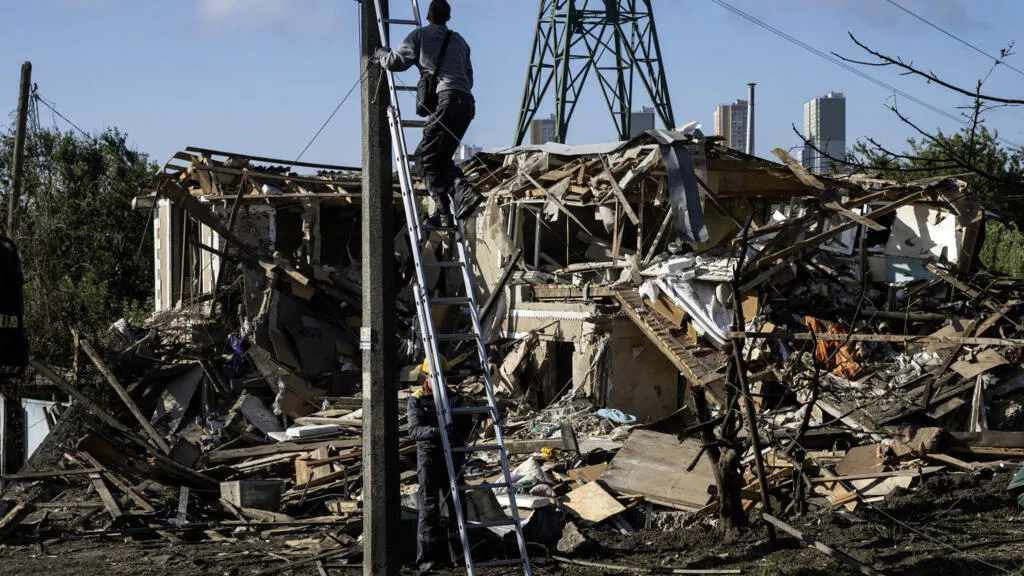
The Independent reported that three people were killed and seven injured in Kyiv, while a child died and a woman was injured in the surrounding Kyiv region. According to the newspaper, the Trypilska Thermal Power Plant’s generating equipment was damaged, emergency power restrictions were introduced, and air-raid warnings in Kyiv lasted for over 20 hours. DTEK subsequently restored electricity to 8,000 customers on the capital’s left bank, according to the report.2
The Guardian described the strikes on energy facilities around Kyiv and elsewhere as the heaviest combined attack on such sites in months. The report said the week’s attacks also struck office buildings, data centres, a school, a hospital and a major bridge in Kyiv. Several neighbourhoods had lost electricity and water by morning, while repeated strikes damaged Pivdennyi Bridge.1
Kyiv Mayor Vitali Klitschko said the city could no longer function as though it were at peace. “The enemy is tearing Kyiv apart,” he said. President Volodymyr Zelenskyy accused Vladimir Putin of ordering Russian commanders to disregard the rules of war and said Russia wanted residents to leave the Ukrainian capital.1
Pressure on air defences
According to The Guardian, Kyiv has an acute shortage of Patriot interceptors needed to counter ballistic missiles. Ukraine is also facing jet-powered Russian drones that are faster and more difficult to destroy. Several Ukrainian interceptor-drone designs are already operating, but deployment in sufficient numbers could still require weeks or months, the newspaper reported.1
The Guardian reported that Ukraine’s energy minister, Denys Shmyhal, told European counterparts about a purported intercepted Russian scheme involving up to 1,000 missiles, drones and bombs aimed at the energy network. The reported targets included substations, hydroelectric and thermal plants and boiler houses. The newspaper said the apparent aim was to leave cities without heat or electricity and produce a humanitarian emergency; the reported plan has not been independently confirmed in the dossier.1
Nuclear warning and NATO response
The Independent reported that Russia sent NATO a letter threatening the use of nuclear weapons if Moscow judged Kaliningrad, its Baltic exclave, to be endangered. Russia also said NATO’s conduct carried a high risk of direct armed conflict, according to the newspaper. NATO said it had replied directly, described itself as a defensive alliance and called on Putin to end the invasion. A NATO spokesperson said: “We strongly denounce the threat of force, including any irresponsible nuclear rhetoric”.2
Poland scrambled fighter aircraft and temporarily shut two airports during the Oct 1 strikes, The Independent reported. Separately, The Guardian said western diplomats continued to state publicly that they intended to remain in Kyiv while privately preparing options to move embassies if foreign missions were deliberately targeted.12
Frontline and diplomatic activity
Zelenskyy visited a military command post near Lyman and praised Ukrainian troops for recovering territory, according to the two reports. The Guardian said Russia had taken about 361 sq km during September and Ukraine had regained about 126 sq km in eastern counteroffensives. The Independent separately reported a Ukrainian claim that Operation Vivaldi had recaptured 176 sq km in the Donbas.12
NATO’s Mark Rutte was scheduled to visit Münster to meet personnel from the 1st German-Netherlands Corps as well as German Chancellor Friedrich Merz and Dutch Prime Minister Rob Jetten, according to The Guardian. The three were due to hold a joint press conference, while Merz was expected to speak on Ukraine and present Rutte with the Peace of Westphalia award.1
Why it matters
The reported nuclear warning directly concerns NATO and the security of its European members, while Poland’s deployment of fighter jets and temporary airport closures show how strikes in Ukraine can affect neighbouring states. Contingency planning by western diplomats in Kyiv also indicates concern that foreign missions could face greater risks.12
Related stories
same actors
same actors

same actors
Version history
- version 1 ·