Slovak parliament approves overhaul of medicine reimbursement rules
The Health Ministry-backed amendment changes reimbursement procedures for medicines, medical devices and dietetic foods. It is intended to widen access to innovative treatment while making insurers’ decisions more predictable.
Slovakia’s parliament approved a broad reform of reimbursement rules intended to improve access to treatment and clarify exceptional coverage.
- Exceptional approvals should generally last at least six months.
- Selected medicines receive a special route into reimbursement.
- Insurers and providers face new application deadlines.
- Controls target illegal re-export and prescription forgery.

What's new
- Parliament approved the medicine-policy reform on Oct 6.
- Exceptional reimbursement approvals should generally last at least six months.
- Selected new medicines may enter reimbursement under special cost-effectiveness conditions.
- The amendment includes measures targeting illegal medicine re-export and prescription forgery.
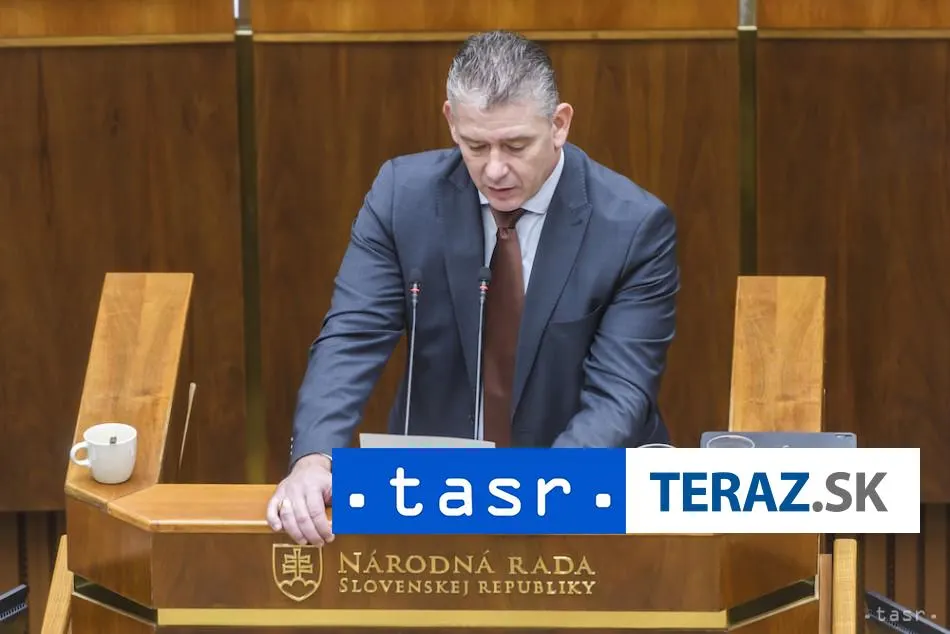
Slovak lawmakers approved a Health Ministry-backed reform of medicine reimbursement policy in Slovakia on Tuesday, Oct 6, changing rules governing medicines, medical devices and dietetic foods. The amendment is intended to improve access to innovative medicines and publicly insured treatment while clarifying procedures for exceptional reimbursement.34
Exceptional reimbursement
The legislation revises the process used when patients seek exceptional reimbursement for medicines that are not ordinarily covered by public health insurance. In selected cases, the medicine must have no substitute among reimbursed treatments, and effective covered options must already have been exhausted. The assessment of treatment effect can include improvement or stabilisation of a patient’s condition, or slower disease progression, provided safety and tolerance are acceptable.3
Healthcare providers will submit exceptional-reimbursement applications using insurers’ forms. When an application is incomplete, an insurer is to request additional information within 15 working days, after which the provider will have 20 working days to supply it. Unless the provider asks for a shorter period, approval for exceptional reimbursement is to be granted for at least six months.3
The Health Ministry expects the rules to improve access to modern treatment and make insurers’ decisions more predictable. It said the amendment responds to medicine availability, the sustainability of public health-insurance resources and difficulties encountered when applying the existing law.34
Entry of new treatments
Selected new medicines will be eligible to enter the standard reimbursement system under specified conditions without initially meeting the usual cost-effectiveness requirement. The amendment also establishes particular entry conditions for medicines treating rare diseases. According to the explanatory report cited by Noviny.sk, a comparable mechanism had previously been used only three times.3
Price agreements are to include reimbursement limits covering the first three years after a medicine enters the system. If a medicine is subsequently removed from reimbursement, its registration holder will be required to finance continued treatment for patients already receiving it, for no longer than the period established by law.3
The changes also cover dietetic foods and medical devices. Noviny.sk reported that 10 dietetic products classed as basic foods had been removed from the system since 2022 under the previous arrangements.3
Controls and legal alignment
The reform includes measures intended to curb illegal re-export of medicines and strengthen oversight of medicine trading and prescription forgery. It also contains legislative and technical changes designed to clarify basic definitions and increase legal certainty across human and veterinary pharmacy, transfusion services and medicine-distribution chains.14
The amendment is also intended to align Slovak legislation with European Union law and international standards. The ministry has presented the broader package as balancing improved medicine availability with the sustainability of the public health-insurance system.34
Why it matters
The reform affects how patients in Slovakia may obtain innovative and exceptionally reimbursed treatments, as well as how insurers and pharmaceutical companies manage access and costs. Its planned alignment with EU law also gives the legislation relevance beyond Slovakia’s domestic reimbursement system.34
Related stories


Version history
- version 1 ·