Slovakia Confirms Bus and Tram Fare Cuts, Pegs Cost at Nearly €13 Million
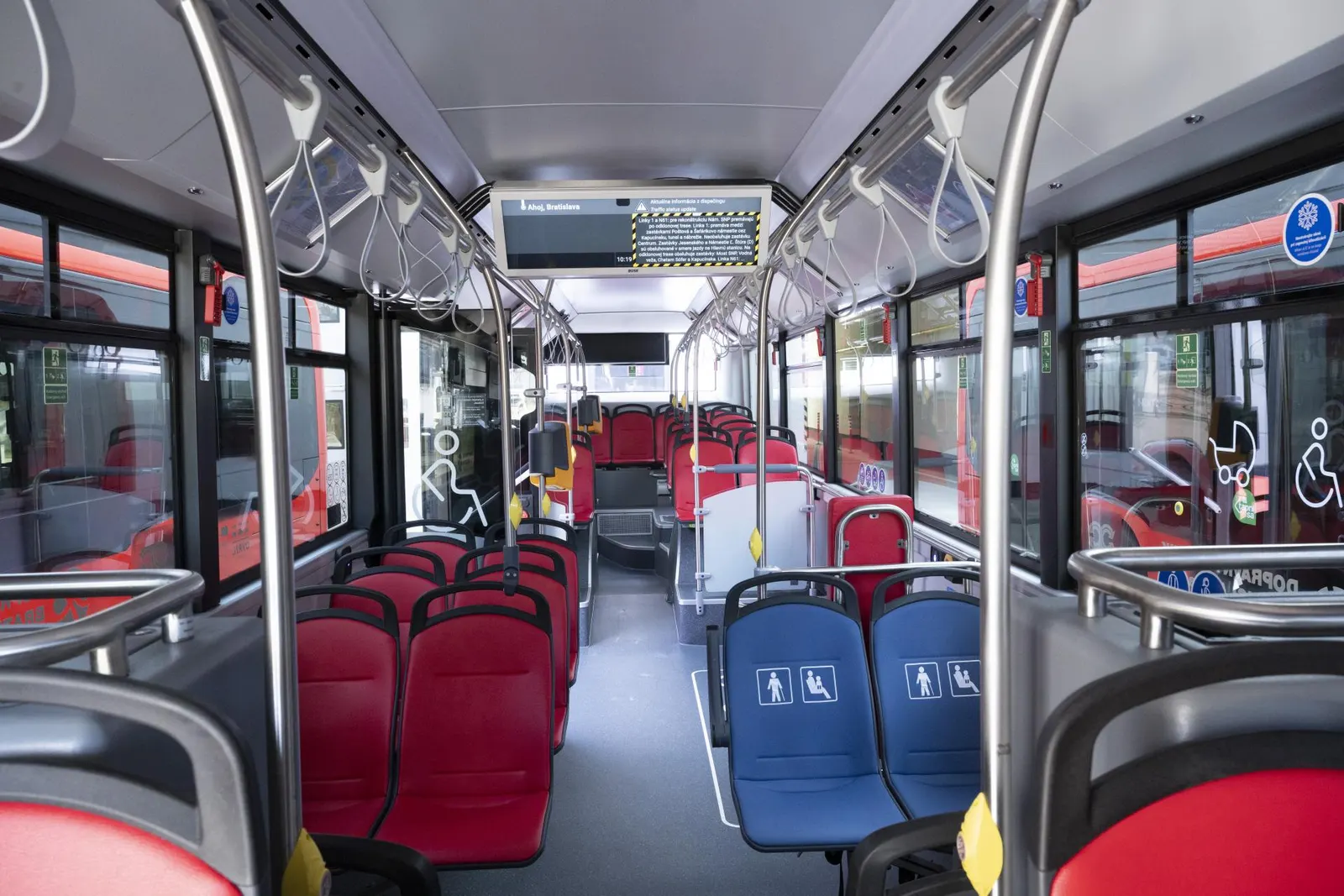
The Slovak government finalized a 50 percent cut to suburban bus and city transport fares from October 12, estimated to cost almost €13 million, extending a rail fare discount already in force since October 1.
Slovakia's government confirmed a 50 percent cut to bus and city transport fares from October 12, costing almost €13 million, alongside an existing train fare discount.
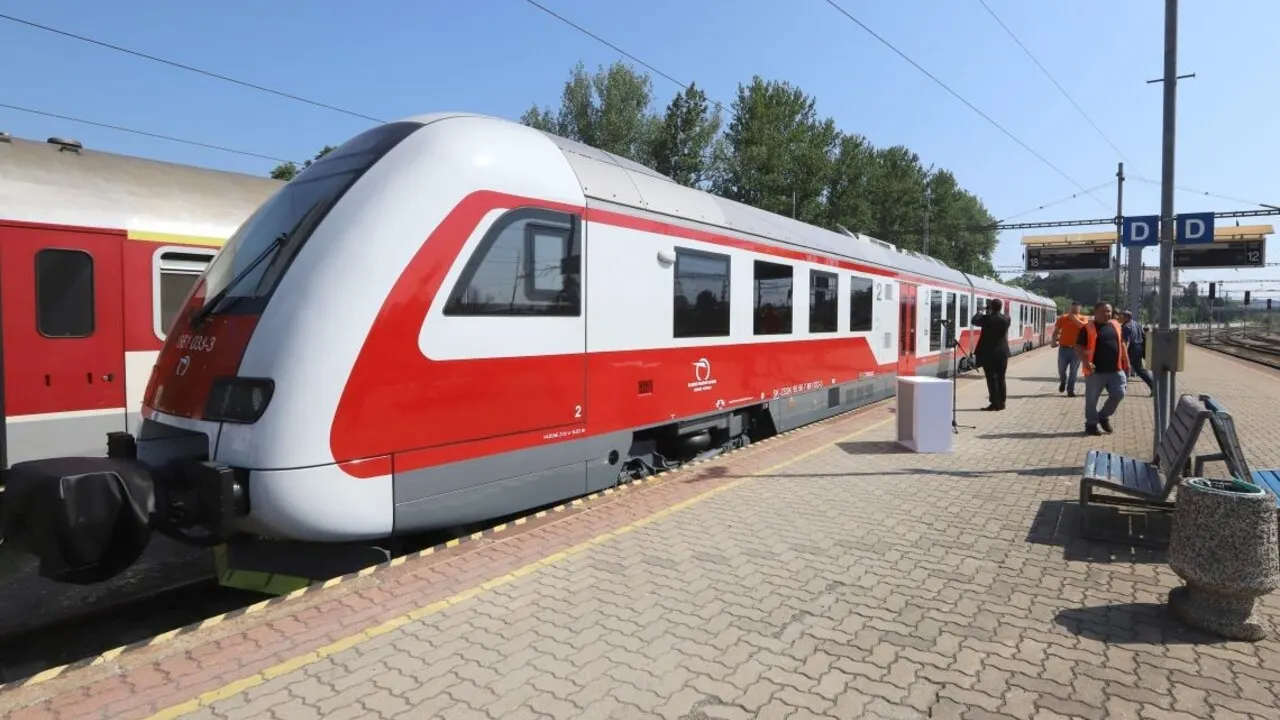
- Train fares halved from October 1, costing about €5.3 million
- Bus/MHD fares to halve from October 12 for 30 days
- Bus/MHD cut estimated to cost nearly €13 million
- Discount limited to time tickets bought within 15 days
- Fuel station margins capped at 10 cents per litre
What's new
- Hospodárske noviny reported the government's decision to halve bus and city transport (MHD) fares, estimating the cost at almost €13 million
- The bus and MHD discount applies only to time tickets valid up to one month, purchasable no later than 15 days after the measure begins
- Reported subsidy amounts vary by city: Bratislava is said to receive the highest subsidy among regional capitals, Trenčín and Trnava the lowest
- According to railway operator ZSSK, work is underway to roll out the halved train fares through every usual point of sale, with ticket prices rounded down to the closest five-cent increment
- The train fare cut is estimated to cost railway operators about €5.3 million over 30 days
The Slovak government confirmed on September 30 that suburban bus and city public transport fares will be cut by 50 percent from October 12, at an estimated cost of almost €13 million, extending the 50 percent discount already applied to second-class train tickets since October 1.23
Bus discount to follow rail cut
The government had already approved a 50 percent reduction in second-class train fares, which took effect on October 1 and is set to last 30 days. Ráž said the same 50 percent reduction would now apply to suburban buses and city public transport in regional cities, though the bus and MHD discount cannot begin until October 12 because bus company ticketing systems are not technically able to implement it from October 1.214
Ráž said earlier proposals had envisaged different discount levels for suburban buses and city transport, but calculating separate rates was found to be technically impossible, so a uniform 50 percent reduction was adopted instead. "Predtým sa hovorilo o inej výške zliav pre prímestskú autobusovú dopravu a MHD, to by však bolo technicky nemožné rozrátať," he said.1
According to Ráž, the government had reached a sum for the bus and MHD discount that he believed would be acceptable to the ministry of finance. "Dospeli sme k sume, o ktorej si myslím, že bude akceptovateľná pre ministerstvo financií," he said. Hospodárske noviny subsequently reported the total cost of the bus and MHD measure at almost €13 million.2
Hospodárske noviny reported that the bus and MHD discount will apply only to time tickets with a validity of at most one month, including weekly and monthly passes, and that such tickets must be purchased no later than 15 days after the measure takes effect. The outlet said the reduction does not extend to passenger groups already receiving discounted fares, and that the ministry of transport described the goal as easing the financial burden on households from higher transport costs while encouraging use of public transport.2
Subsidy amounts are reported to differ across Slovakia's regional capitals. Hospodárske noviny said Bratislava would receive the highest subsidy among the eight cities, with Trenčín and Trnava receiving the least, while separate reporting from the same outlet named Banskobystrický kraj as receiving the highest subsidy among self-governing regions – a discrepancy that remains unresolved in the available reporting.2
Fuel margins capped
In addition to the fare reductions, Slovakia has capped the profit margin that fuel stations can add at 10 cents per litre starting October 1, a step that limits station markups rather than fixing retail prices outright. Data cited in the dossier indicate that, during the week before the cap took effect, Slovakia had the fourth-cheapest diesel among all EU member states and the cheapest of any Visegrad Four country.1
In September, the ministry of transport had opened negotiations with regions and cities on the bus and MHD fare cuts, and the government had earlier offered municipalities compensation on condition that they lower basic fares on buses, trolleybuses or trams by 50 percent. "State offers financial compensation on condition that basic fares on buses, trolleybuses or trams are reduced by 50 percent," the government said. The government also planned to provide subsidies to all eight regions to cut suburban bus fares by 30 percent.5
Criticism and unresolved issues
The road transport association Česmad Slovakia, according to Info.sk, criticized the halved train fares for not addressing what it called the root cause of the crisis, and called for the state to intervene directly on fuel prices. Ráž responded that fuel pricing falls under the ministry of economy rather than his own ministry. "Táto téma nie je úplne správne adresovaná na naše ministerstvo, keďže my neriešime ceny palív, to je ministerstvo hospodárstva," he said.3
Refresher.sk reported that 42 percent of Slovakia's population does not use any form of public transport, and described the fare cuts as part of a strategy to ease congestion on the road network by encouraging drivers to switch from personal cars to buses and trams.5
Train fare cut: implementation and cost
The state railway operator ZSSK said it was preparing tariff, technical and information adjustments so the halved train fares would be available through all standard sales channels, spokesperson Ján Baček said. Every one-way and route ticket qualifies for the reduction, including weekly and monthly passes, with fares rounded down to the nearest five cents, though international tickets and seat reservations are excluded.1
The transport ministry estimated the 30-day train fare cut would reduce railway operators' revenue by about €4.3 million while adding roughly €1 million in costs, for a total impact of around €5.3 million. Baček said ZSSK would monitor passenger volumes and occupancy throughout the measure but could not yet reliably estimate any resulting increase in ridership.1
Why it matters
The measure shows a European government using temporary fare subsidies rather than direct price controls to soften the impact of rising fuel costs on households, with the state now disclosing an estimated near-€13 million price tag for the bus and MHD scheme alone. It also illustrates the administrative complexity of coordinating national rail discounts with locally run bus and city transport systems, and of allocating differing subsidy levels across Slovakia's regional capitals.123
Related stories
Version history
- version 2 · Added confirmation of the bus/MHD fare cut's near-€13 million cost, ticket eligibility rules, city-by-city subsidy differences, and details of ZSSK's train fare implementation and cost estimate.
- version 1 ·