World · South Africa
Ramaphosa Admits Government Failure on Gender Violence
President Cyril Ramaphosa told South Africans the state has not done enough to protect women after a series of killings in Ekurhuleni, announcing measures to be delivered within 60 to 90 days.
South Africa's president admitted government failure to protect women after multiple killings in Ekurhuleni, announcing new measures with 60- to 90-day deadlines.
- Several women's bodies discovered in Ekurhuleni since July, with the precise total still contested
- Police found no evidence of a single perpetrator
- Arrests made in connection with several killings
- Ramaphosa ordered case audits, safety audits and anti-alcohol violence plans
- Opposition and rights groups call the response delayed
What's new
- Ramaphosa ordered a national audit of unresolved murders, rapes and sexual offences within 60 days
- Municipalities given 60 to 90 days to conduct and act on women's safety audits
- A funded plan to cut the forensic evidence backlog is due within 60 days
- Five ministers tasked with an alcohol-related violence package within 60 days
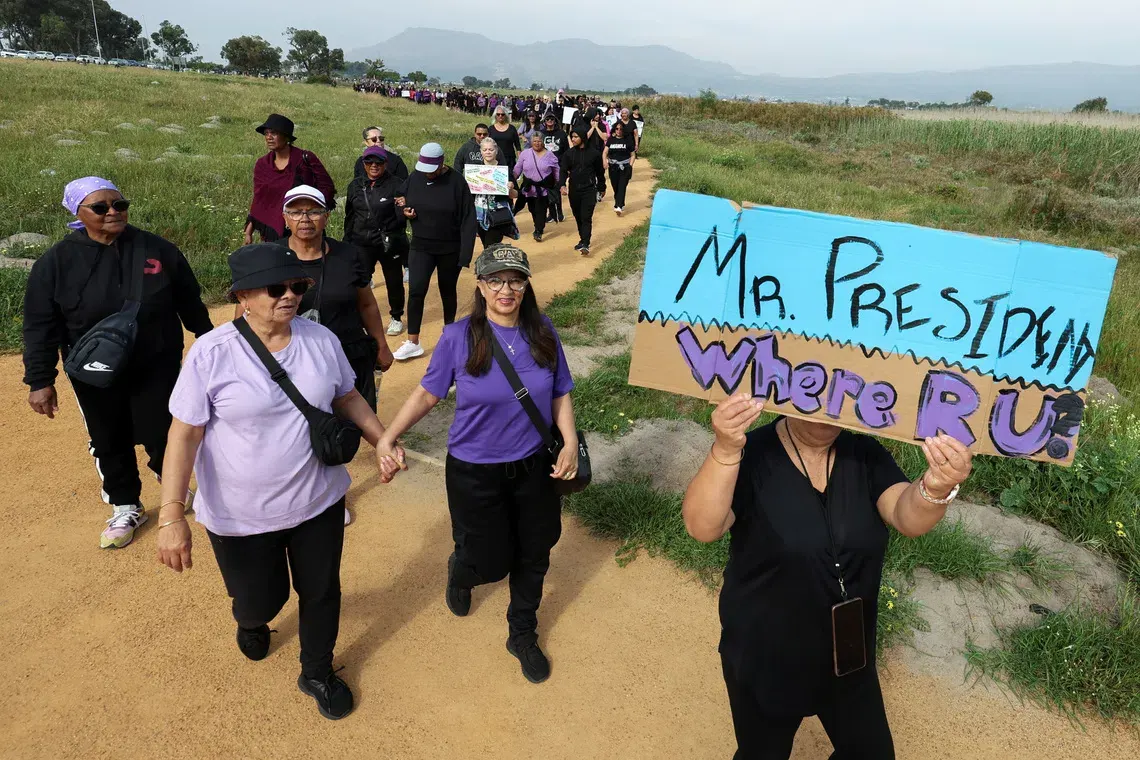
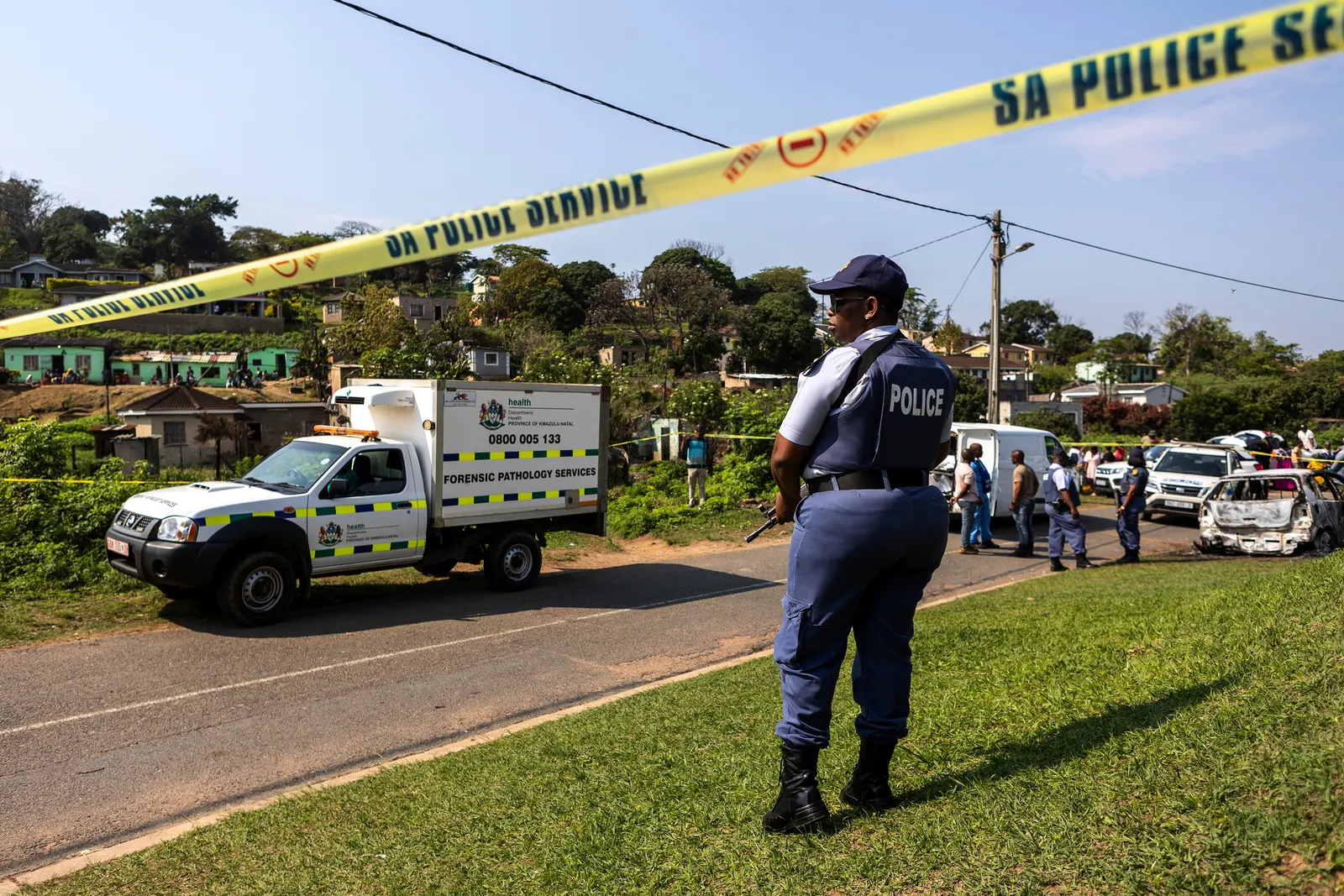
President Cyril Ramaphosa said on September 30 that the South African government has failed to protect women, announcing a set of urgent measures following the discovery of multiple women's bodies in Ekurhuleni, Gauteng province.134
Killings in Ekurhuleni
Police have not found evidence that a single perpetrator was responsible for the killings in Ekurhuleni, according to the South African Police Service.734
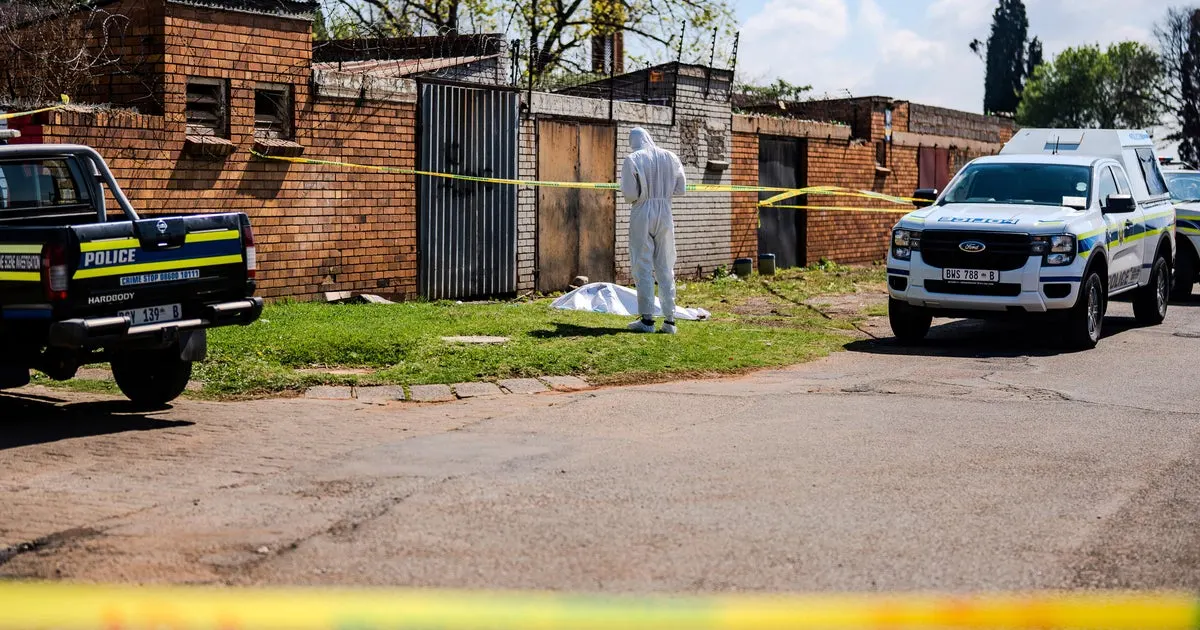
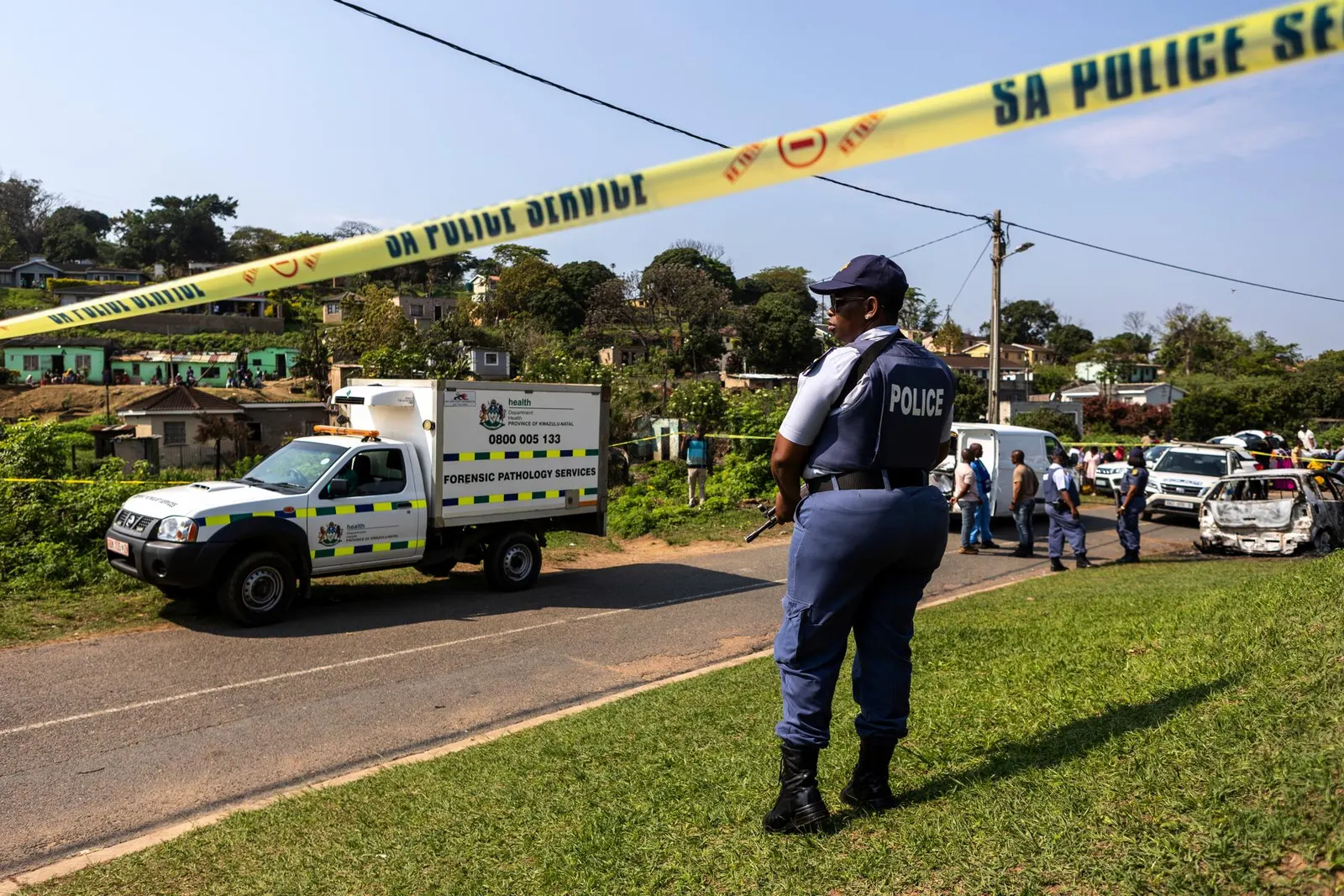
Reports on the number of women found dead in the area vary. The Guardian reported that 11 bodies were discovered dumped across Ekurhuleni since July 15, with eight of them found in the preceding three weeks, while Daily Maverick reported that Ntombifuthi Nxumalo was the tenth of 12 women reported murdered in the region since July; IOL disputed the figure of 11 since July.123
Several of the killings have led to arrests. Two suspects appeared in court over the killing of Jabulile Ntimba, and a suspect was taken into custody over the murder of Busisiwe Mahlangu, according to IOL. According to The Straits Times, suspects were taken into custody over three of the murders in total.35
As part of the probe, investigators gathered forensic material ranging from DNA and blood samples to clothing items and mobile phones with call records, after the case was escalated into a dedicated, multidisciplinary investigation run at the national level.34
According to The Straits Times, the majority of victims were women in their twenties or thirties, several bore marks of sexual assault, and South Africa ranks among the world's worst nations for murder rates relative to population, with only roughly 10 percent of such cases ever resolved.5
Government response
Ramaphosa directed police to review outstanding cases of murder, attempted murder, rape and sexual assault within two months, and to draw up tailored action plans for high-priority files within three months. He said, "At present, the police have not found evidence establishing that these killings were committed by a single perpetrator."24
A funded plan to reduce the forensic evidence backlog is to be produced within 60 days, with priority samples ring-fenced for urgent processing. Municipalities have been ordered to identify women's safety risks within 60 days and address urgent hazards within 90 days.1234
A group of five government ministers was assigned to craft a joint set of laws and enforcement measures aimed at curbing alcohol-fueled violence, with the proposal due for Cabinet submission within 60 days. An initial combined status update covering every initiative is expected within 90 days, with subsequent reports released to the public every three months thereafter.1234
Ramaphosa conceded that the state's response has come up short, stating, "What we have done has not been enough. We need to do much more than what we have done," he added, and went on to state, "As President of the Republic of South Africa, I acknowledge this. As Government, we must do better." He further noted that gender-based violence and femicide were designated a national disaster the year before, and confirmed that the National Council on GBVF, made operational in November 2025, is now functioning.348
He urged men to shoulder more responsibility, remarking, "We cannot police our way out of gender-based violence alone. We cannot arrest our way out of this crisis alone," then called on men to "challenge the friend who humiliates his partner. Challenge the colleague who harasses women. Challenge the relative who abuses his wife."3
Criticism and reaction
Ramaphosa referred to an earlier address, saying, "What weighs on me most is that seven years ago, in this same month, I stood before the nation to speak about this same crisis," a reference to a 2019 address delivered following the murder of Uyinene Mrwetyana, according to AllAfrica.37
Opposition politicians and civil society groups criticised the government's response as overdue. Amnesty International South Africa's Shenilla Mohamed said, "The four immediate measures announced by the President come seven years too late," and added, "South Africa does not suffer from a shortage of legal frameworks, but rather a severe failure to consistently enforce them." Herman Mashaba said police detectives "are already overwhelmed and lack the capacity to process cold cases," while Geordin Hill-Lewis said any new measures "must be judged on implementation rather than empty election promises."6
The Economic Freedom Fighters said the state "already possesses comprehensive data to know exactly which police stations are dysfunctional and where backlogs exist." Civil society groups urged that femicide be formally codified as a specific crime, and Amnesty International called for mandated case audits to be made public.6
Other activists expressed more cautious optimism. Javu Baloyi said, "Having listened to the president and read his speech, we are cautiously optimistic that these measures will work," while Fatima Shaik said, "The four immediate measures are important, and if properly implemented, they can make a difference," but added, "Police and forensic interventions are critical, but we can't only focus on those things." The Guardian reported that other activists remained skeptical the measures would succeed, and noted the response remains weighted toward action after violence occurs rather than prevention.41
Why it matters
The crisis highlights a gap between official commitments, including a national disaster declaration and a dedicated council, and enforcement capacity within police and local government. For international observers, including human rights organisations such as Amnesty International, the case illustrates how legal frameworks against gender-based violence can exist without translating into protection on the ground.62
Videos
Related stories
Version history
- version 1 ·