World · South Africa
South African Police Find Tenth Woman's Body Near Johannesburg
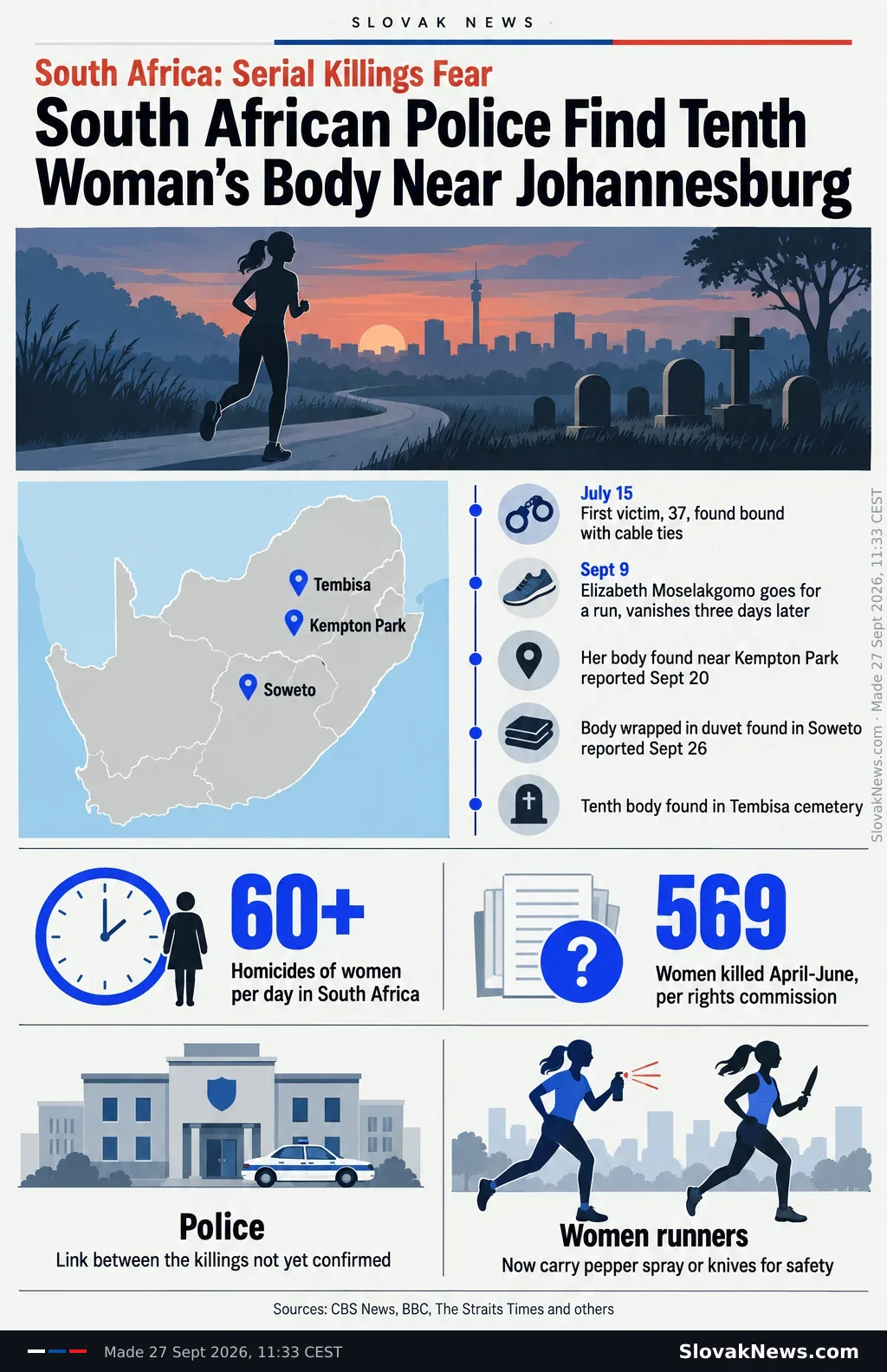
A body found in Tembisa, east of Johannesburg, has raised to ten the total of women discovered deceased across the Ekurhuleni area since July, with police investigating whether the killings are connected.
Listen to the story
Short version
Police found a tenth woman's body near Johannesburg, adding to a string of killings that has raised fears of a serial killer.
- Body found in Tembisa cemetery, east of Johannesburg, Saturday morning
- Ten women found dead in Ekurhuleni area since July
- Police say link to other killings not yet confirmed
- Two women charged over ninth killing; three men in court over another
- Women runners now carry pepper spray or knives for safety
Infographic
What's new
- Tenth woman's body found in Tembisa, Ekurhuleni, on Saturday morning
- Police say it is too soon to confirm whether the death is linked to nine earlier killings
- Provincial commissioner cites similarities in victimology and modus operandi across cases
- Two women already charged over the ninth killing; three men in court over another case
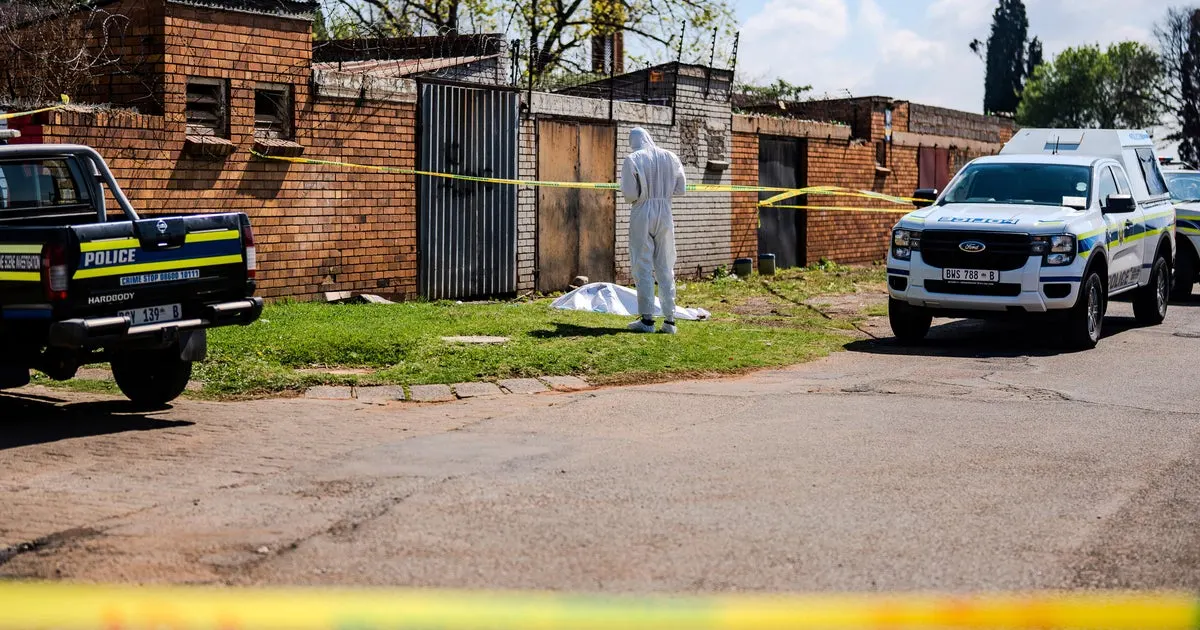
On Saturday morning, South African police found a woman's body at a cemetery in Tembisa, north-east of central Johannesburg, making her the tenth woman discovered dead in the Ekurhuleni municipality since July.24
Infographic
Latest discovery
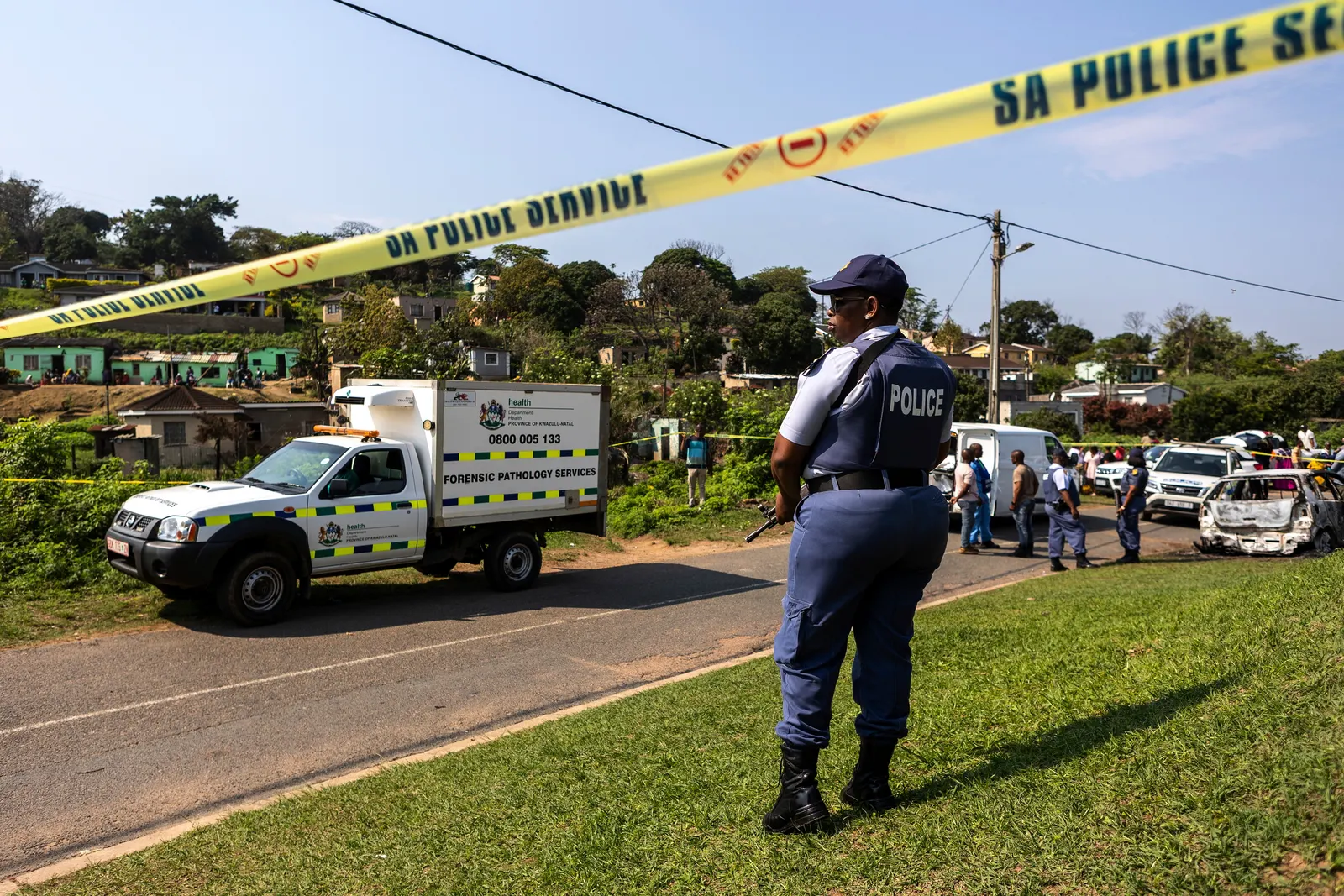
Police confirmed the discovery in Thembisa, Ekurhuleni, and said crime scene investigators were gathering evidence at the site, though officials have not publicly identified the victim.42
Brigadier Brenda Muridili stated that officials were currently limited to confirming that a body had been found, and that forensic teams along with other necessary personnel were actively working the scene.5
The BBC reported that a friend who had been drinking with the woman at a bar the night before identified her, recognizing the victim's clothing after being shown a photo of the body.2
According to Al Jazeera, the most recent victim showed signs of having died from stoning, with an autopsy planned to confirm the official cause of death.4
Investigating a pattern
According to the BBC, Gauteng Police Commissioner Tommy Mthombeni cautioned that it remained premature to establish a connection between this death and the earlier cases, though he pointed to "similar victimology" among the bodies suggesting a common "modus operandi." He added that authorities could not yet definitively confirm a serial killer was responsible.2
The commissioner also noted similarities across the ten deaths in Ekurhuleni and a further death in Soweto, and said police could not rule out a serial killer being on the loose.2
During July and August, officers located three bodies clustered within six kilometres of each other in Ekurhuleni, and this month a further six were discovered over a ten-day span, a pattern that fueled speculation about one or more serial killers, CBS News and The Straits Times reported.413
Authorities indicated the ninth murder could be tied to a domestic dispute, and two women, ages 31 and 38, have since been taken into custody and charged in that matter. Additionally, three men faced court proceedings this week over allegations tied to one of the nine earlier deaths, with police stating that efforts continue to identify any other individuals connected to the crime.452
National context
South Africa ranks among the countries with the highest femicide levels globally, alongside one of the world's steepest murder rates, averaging over 60 killings daily; the BBC reported 5,427 murder victims nationwide between April and June this year.4231
Per the BBC, the South African Human Rights Commission reported that 569 women lost their lives and another 1,052 survived attempted murder during that same three-month window, noting that official police data does not break down victims by gender. The deaths have added pressure on the national government, which declared gender-based violence a national disaster less than a year earlier.2
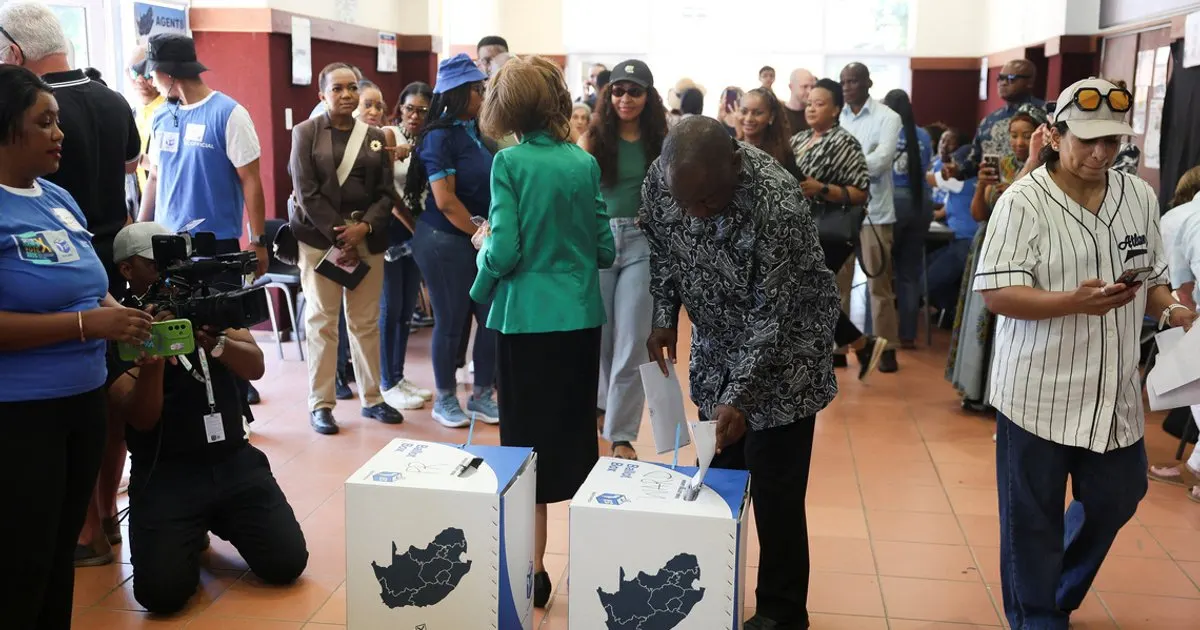
Al Jazeera reported that President Cyril Ramaphosa addressed the newest finding amid his campaign trail ahead of forthcoming local elections. At an earlier public holiday gathering he said the "pain and suffering that the women of South Africa have been put through stands out as a national shame," adding: "The women of South Africa have the right to walk the streets of their country at any hour without fear."43
Runners on guard
The Straits Times reported that women runners in the affected areas have begun arming themselves after the string of killings. Elizabeth Moselakgomo, a 38-year-old avid runner, left home for a run and did not return; her body was found three days later around Kempton Park.3
Nancy Masha, a 39-year-old mother of two who runs regularly, started bringing pepper spray and a knife along on her runs starting two days after Moselakgomo's remains were discovered. "Our runner was brutally killed," she said, explaining that she felt compelled to find a way to protect herself as both a woman and a runner. She described Moselakgomo as "bubbly" and said the killing had left her deeply shaken. Noting that runners often train in isolated spots at unusual hours, she added, "But I won't stop running."3
Other women described changed routines. Chulumanco Mahamba cut her daily walks to twice a week and said, "It feels unfair that we have to change our routines, but I do feel safer when I'm carrying pepper spray." Andiswa Siwela, who now also carries pepper spray, said: "We want to be free." She added that she wanted the freedom to go about her life without fear and simply be allowed to live. Babalwa Melitafa said she now avoids running outside the oval by herself given recent events, admitting she feels frightened. Hlompho Matji cautioned that carrying weapons carries its own risk, saying, "We are not trained to use those things," and warned that pepper spray or a knife could be turned against its owner by an attacker who overpowers them, since most people lack training in using such items for self-defense.3
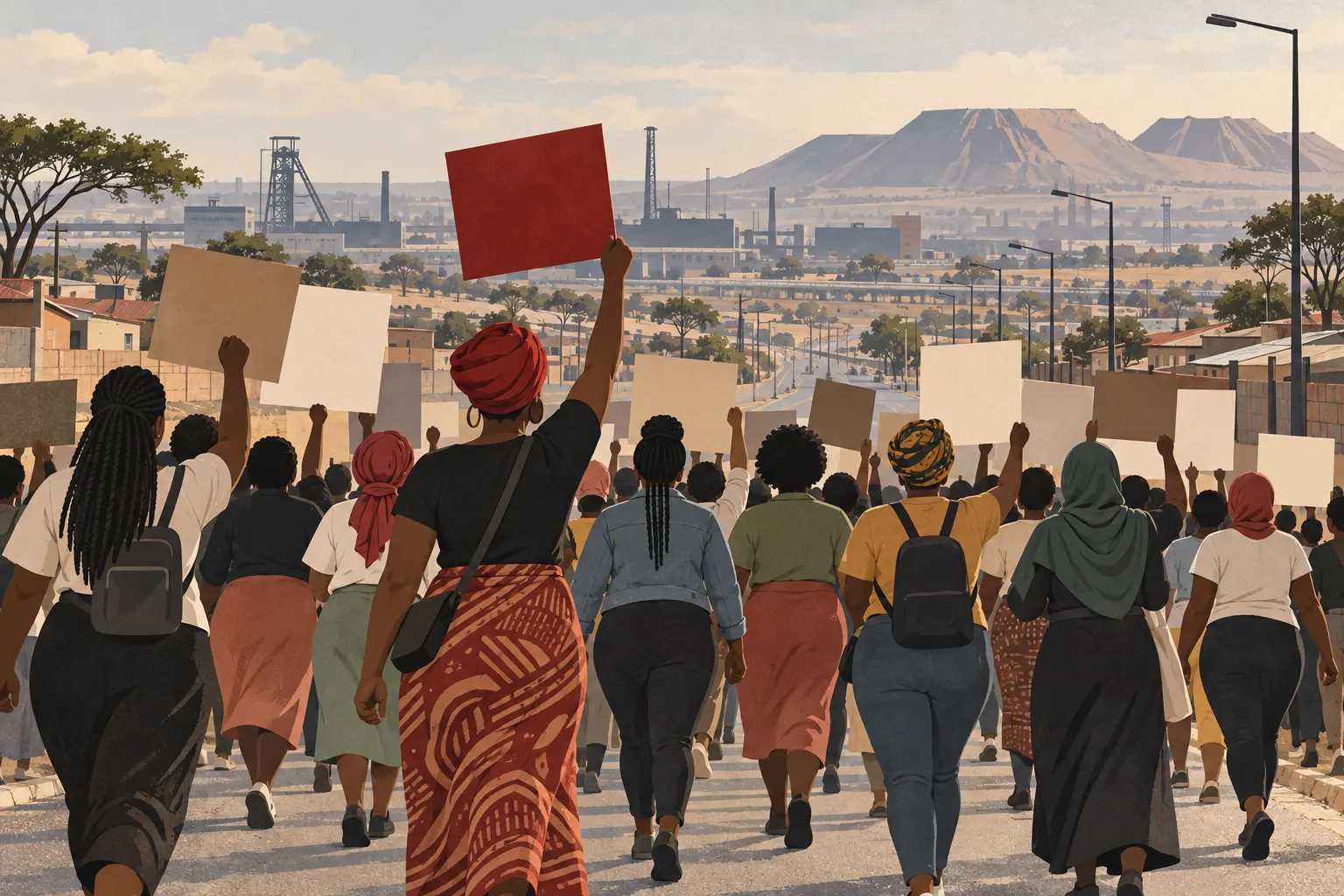
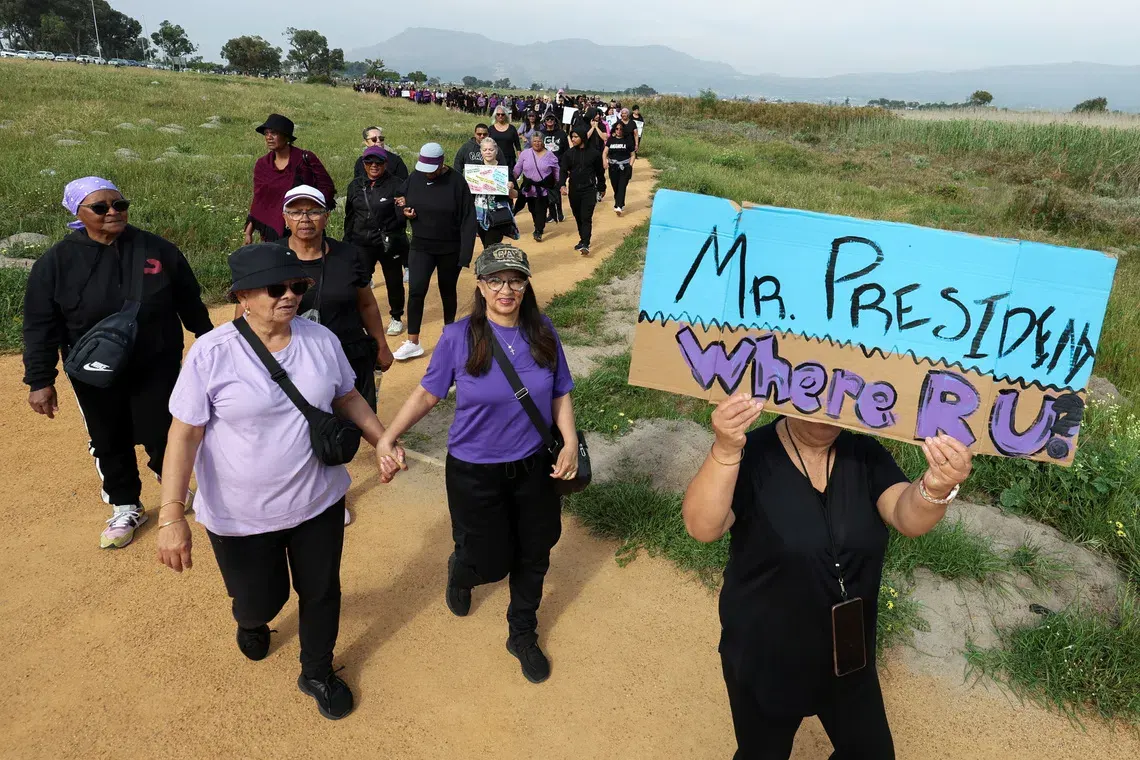
These findings have sparked memorial vigils, demonstrations and solidarity runs nationwide, with The Straits Times noting that the government's Gender-Based Violence Command Centre logged 6,782 calls for help. On 24 September, protesters additionally joined a march in Cape Town to raise awareness about gender-based violence and femicide victims.35
Why it matters
This case underscores the ongoing severity of violence against women in South Africa, a nation already contending with among the steepest homicide rates worldwide. The unresolved question of whether a serial perpetrator is responsible has heightened public concern and increased political pressure on the government ahead of local elections.24
Videos
Related stories
Version history
- version 1 ·