World · France
Student protests in France test government amid wider unrest
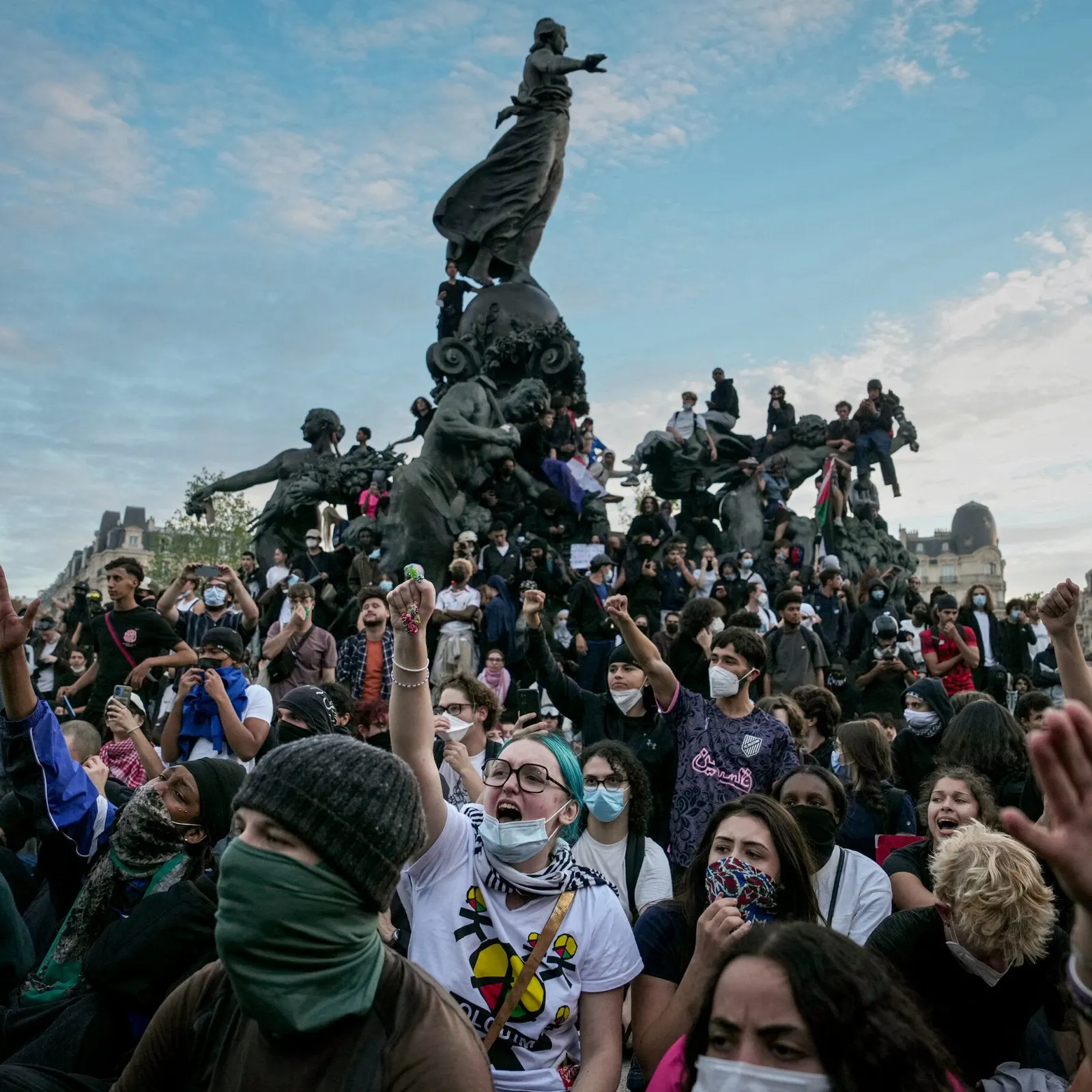
Protests that began over school conditions in Paris’s deprived outskirts have spread nationwide, with planned rallies set to test their endurance. Reports describe arrests, injuries and disruption at schools.
A student movement that began over school conditions near Paris has spread across France, amid reported arrests, injuries and school disruption.
- Protests began in deprived suburbs outside Paris.
- Pupils say France’s school system is failing them.
- Thousands were reportedly arrested during the unrest.
- Nationwide rallies were planned for Thursday.
- Officials and far-left leaders disputed the protests’ politics.
What's new
- The New York Times reported that demonstrations by activists were planned nationwide for Thursday.
- The demonstrations were seen as a test of the movement’s staying power.
- Far-left leaders backed the students, while officials accused them of political provocation.
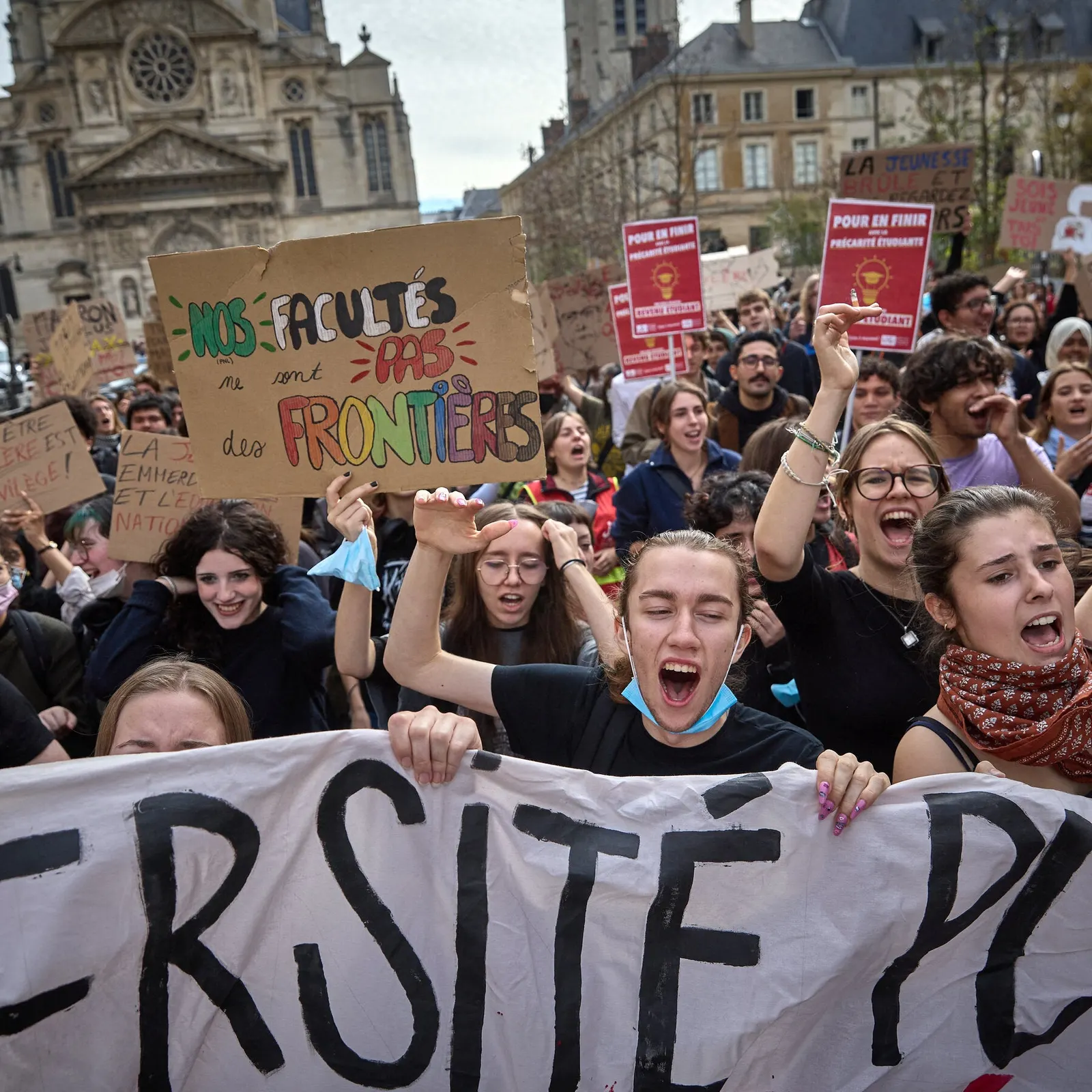
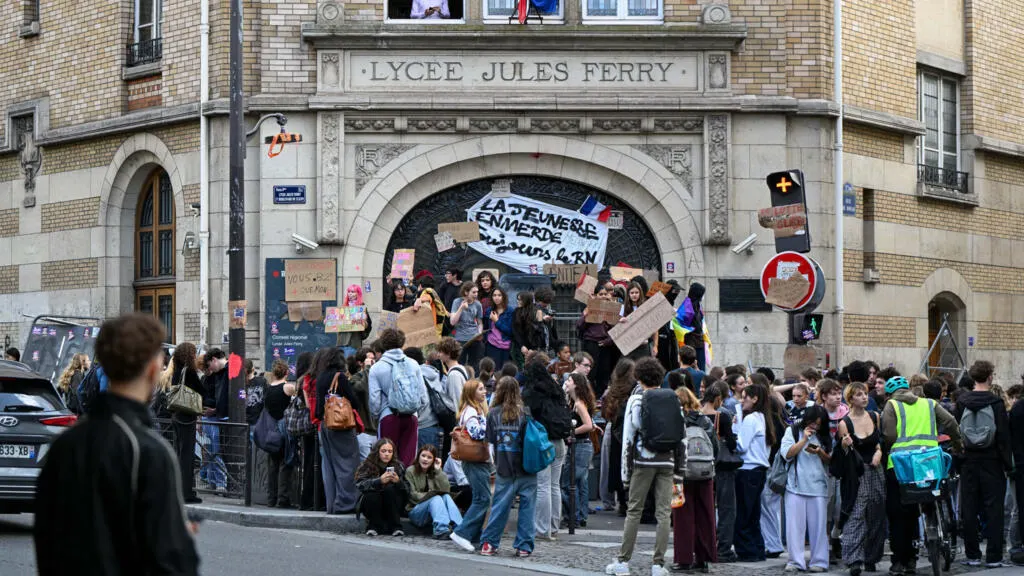
Student protests that began over school conditions in deprived suburbs outside Paris have developed into a wider movement across France, according to reports published on October 8. French activists were set to hold rallies nationwide on Thursday, as authorities faced unrest that has reportedly involved thousands of arrests, hundreds of injuries and disruption at schools.12
From school grievances to national protests
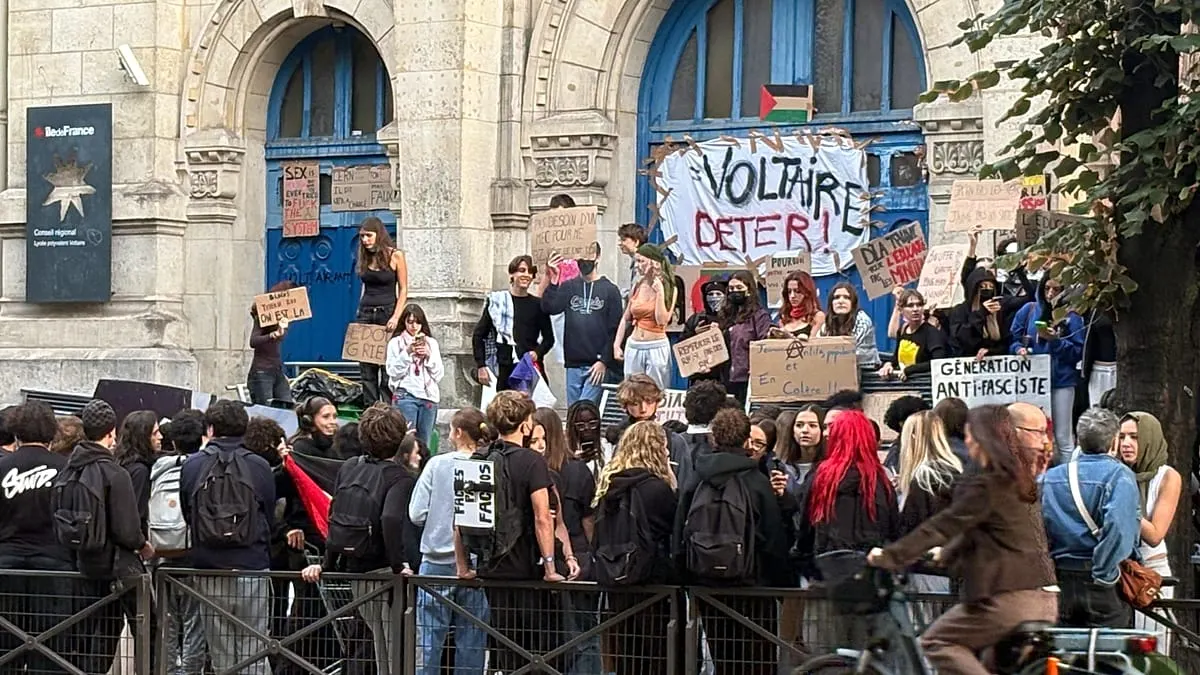
The protests began with pupils’ anger over conditions at schools in the banlieue, the deprived suburbs on Paris’s outskirts, according to The Guardian. Pupils say the French school system is failing them, and some protesters believe they are being ignored and face worsening prospects. The movement has since expanded beyond its initial school-related demands, the newspaper reported.1
However, The New York Times described the planned Thursday rallies as a measure of whether a student movement now spanning the country can sustain itself.2
Arrests, injuries and school disruption
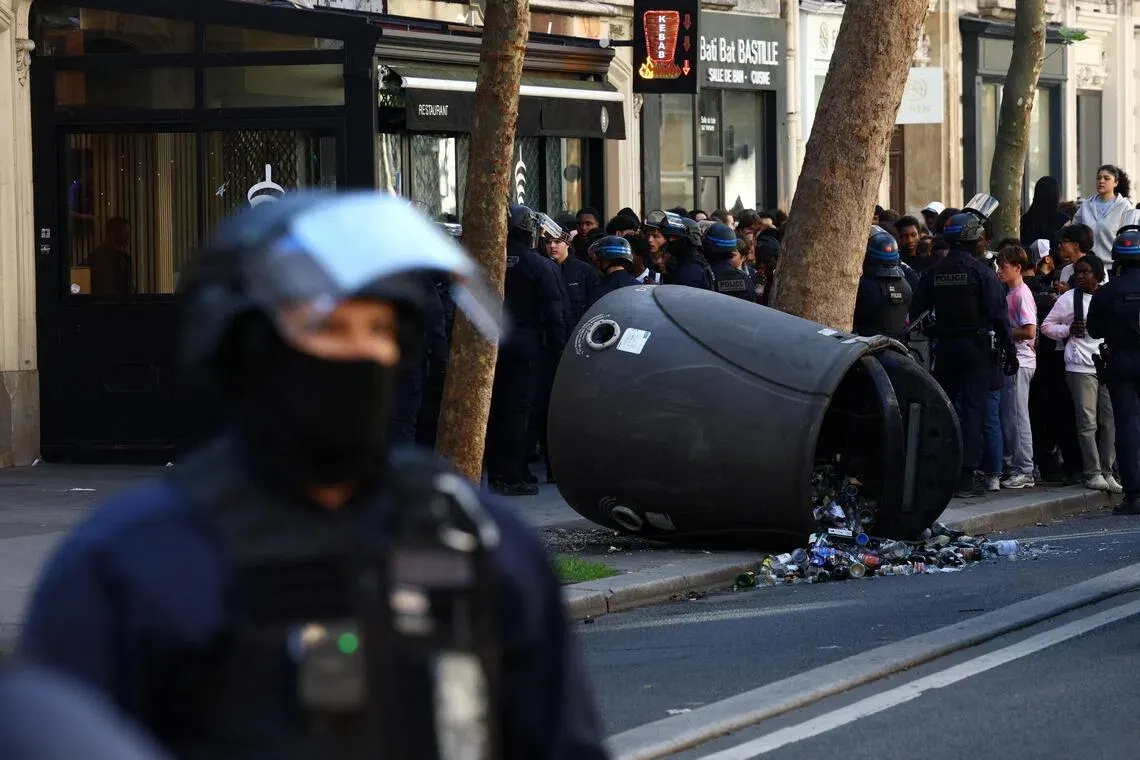
The Guardian reported that thousands of people had been arrested and that hundreds had been injured during a week of unrest. It also reported that schools had been shut and ransacked, with some set on fire. These accounts are single-source reports in the material available and have not been independently confirmed in the dossier.1
The report also said that one boy had lost an eye and another had lost a hand. Riot police have confronted teenage protesters, according to the Guardian’s framing of the events, although the dossier does not provide further details on the circumstances of those injuries.1
Political dispute over the protests
The protests have become the subject of a dispute between government officials and figures on the far left. The New York Times reported that far-left leaders were encouraging the students, while government officials accused those leaders of inflaming the unrest for political advantage. The dossier does not provide evidence allowing that accusation to be assessed independently.2
Thursday’s planned nationwide rallies therefore carry both practical and political significance: they were expected to indicate whether student anger over schools can continue as a national mobilisation, while also intensifying arguments over who is shaping the protests and for what purpose.2
Why it matters
For readers in Europe, the protests show how dissatisfaction expressed first through school conditions can develop into a nationwide political issue. The planned rallies were being watched as a test of the student movement’s durability, while the competing claims by officials and far-left leaders underline the political stakes surrounding it.2
Videos
Related stories
follow-up
follow-up
Version history
- version 1 ·