World · United States of America
Trump administration loses appeal to set aside California ballots
A federal appeals court dismissed the administration’s bid to separate ballots linked to alleged non-citizens. California officials have questioned the accuracy of the federal voter list.
A federal appeals court dismissed the Trump administration’s bid to set aside California ballots linked to alleged non-citizens. State officials dispute the underlying list’s reliability.
- The appeal failed on procedural grounds.
- The federal allegations concern approximately 20,000 registered voters.
- A county sample included canceled or inactive registrations.
- Citizenship allegations remain contested.
What's new
- The Ninth Circuit dismissed the administration’s appeal in a decision reported on October 26.
- The majority said the district court had not been given sufficient opportunity to consider emergency relief.
- A subsequent report said district judge David Carter also declined to order ballots set aside.
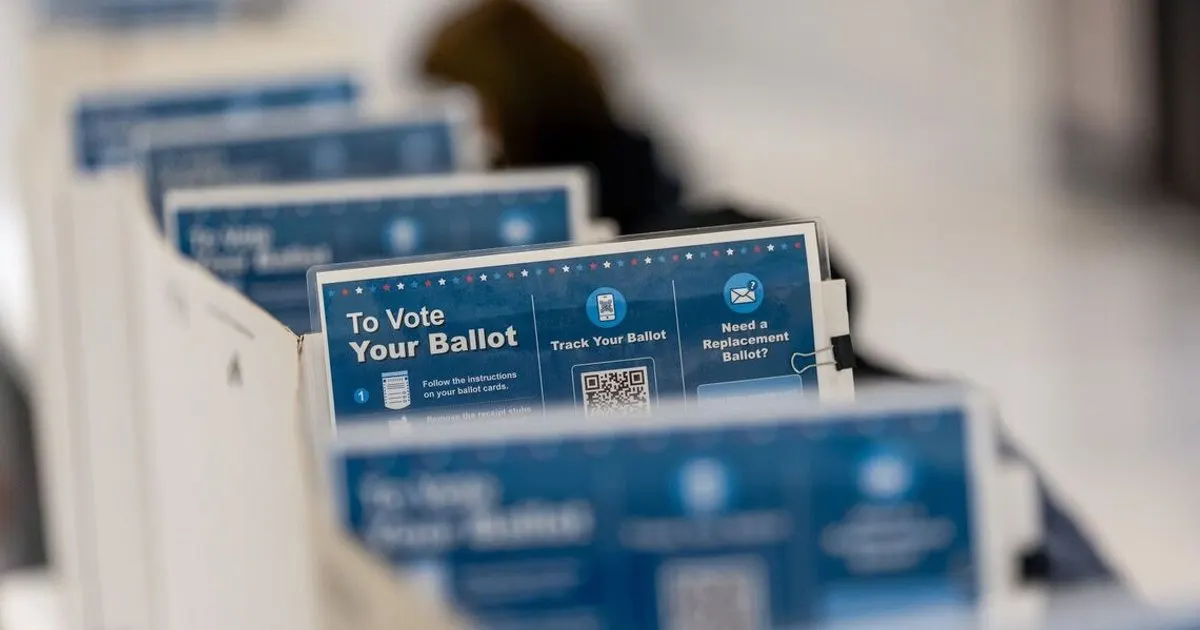
In a ruling reported on October 26, the Ninth US Circuit Court of Appeals in San Francisco dismissed the Trump administration’s appeal seeking to make California separate mail ballots tied to roughly 20,000 registered voters whom it claims could be non-citizens.234
Appeal dismissed on procedural grounds
The panel ruled 2-1 against the administration, according to The Straits Times. The Justice Department had sought an order requiring election officials to separate ballots associated with its list and withhold them from the count until the voters’ citizenship could be established.2
The majority said it lacked jurisdiction over the appeal and that the department had not allowed the federal district court enough opportunity to consider temporary relief, CBS News reported. The administration appealed before district judge David Carter had ruled on its emergency request.3
According to CBS, the judges also faulted the department for filing the case with fewer than 21 days remaining before the midterm elections, then waiting until the prior week to request a temporary restraining order. The dispute concerns ballots for the November 3 elections.3
In a report published on October 29, The Guardian said Carter had declined to require California officials to separate or exclude the disputed ballots. “A ballot segregated, in effect, would be a ballot removed,” Carter said.1
Questions about the federal list
The department said Homeland Security compares voter-registration information with its internal records and uses third-party software to identify possible matches, CBS reported. It accused California officials of failing to cooperate in identifying non-citizens registered to vote. California’s lawyers challenged the reliability of the data and defended the state’s safeguards.23
Los Angeles County officials said the material contained California voter addresses but did not explain how the list had been assembled or how citizenship should be verified. Of 200 records they reviewed, 112 corresponded to registrations that were canceled or inactive, according to CBS.3
California’s Justice Department said the county’s preliminary review also found that 38.9% of the sampled records listed a US birthplace and 71.2% showed no voting history. Those findings were part of the state’s challenge to the federal allegations, rather than a completed assessment of every person listed.4
California Secretary of State Shirley Weber said federal officials had supplied neither supporting data nor their methodology. According to The Guardian, election officials received only two days to examine the list and said determining each person’s citizenship by election day was not possible.1
Allegations and the remaining dispute
Federal and California law prohibit non-citizens from voting, CBS reported. Justice Department officials said 28 people on the list had been criminally charged with illegal voting, according to The Straits Times. That reported number concerns charges, not findings about the citizenship or voting conduct of everyone on the list.23
California Attorney-General Rob Bonta welcomed the appeal’s dismissal and argued that the court lacked authority to decide the matter at that stage. CBS reported that the federal department could seek reconsideration by the full Ninth Circuit; the dismissal itself rested on the handling of the appeal.34
Why it matters
For European readers following the November 3 US midterm elections, the dispute concerns whether thousands of California mail ballots could be withheld from the count. The elections involve control of Congress, while this ruling addresses the administration’s route to emergency judicial relief rather than establishing the citizenship of everyone on its list.23
Videos
Related stories
same actors
Version history
- version 1 ·