Business · United States of America
Fuel Economy Rollback Finalized at 34.9 MPG; Environmental Group Vows Lawsuit as Diesel Hits Record $6.05
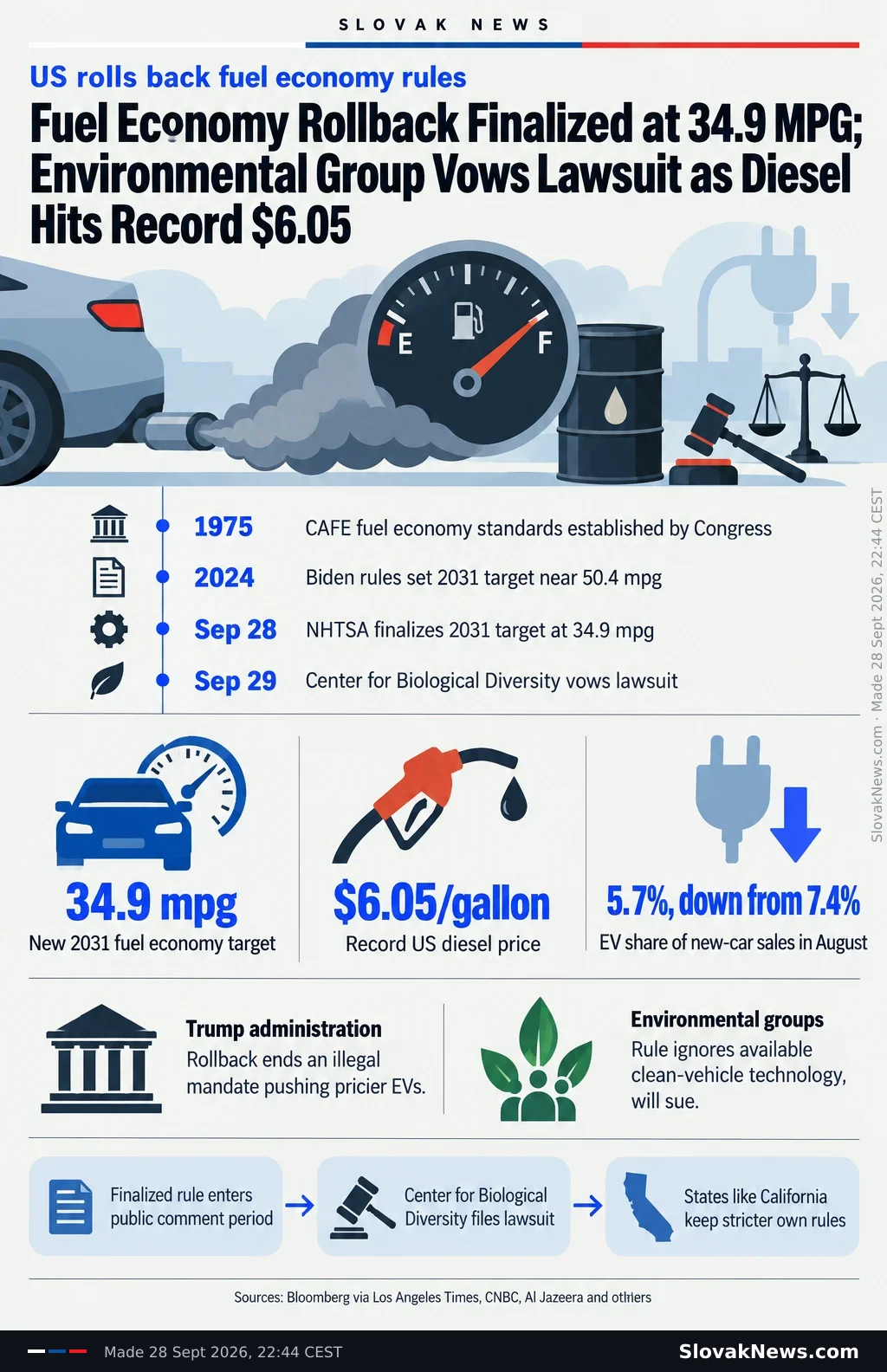
NHTSA's final rule sets the 2031 fleetwide target at 34.5 mpg, down from Biden's 50.4 mpg goal, and the rollback lands as record diesel prices squeeze consumers and shippers.
Listen to the story
Short version
NHTSA finalized a fuel economy rollback to 34.9 mpg for 2031, prompting a promised lawsuit, as record diesel prices tied to the US-Iran conflict squeeze consumers.
- 2031 target finalized at 34.9 mpg, applied retroactively to model year 2022
- Center for Biological Diversity vows to sue over the rule
- Diesel hit a record $6.05 a gallon amid US-Iran conflict
- EV sales share fell to 5.7% in August, down from 7.4%
- Duffy calls rollback the end of an 'illegal mandate'
Infographic
What's new
- The Center for Biological Diversity said it will sue over the finalized rollback, which applies the relaxed standards retroactively to model year 2022 vehicles
- The Department of Transportation projected the rollback would cut yearly oil consumption by 1.3 billion barrels by 2050, even as it loosens efficiency requirements
- Electric vehicles' share of new-vehicle sales fell to about 5.7% in August, down from roughly 7.4% earlier in 2025, adding to conflicting EV sales figures
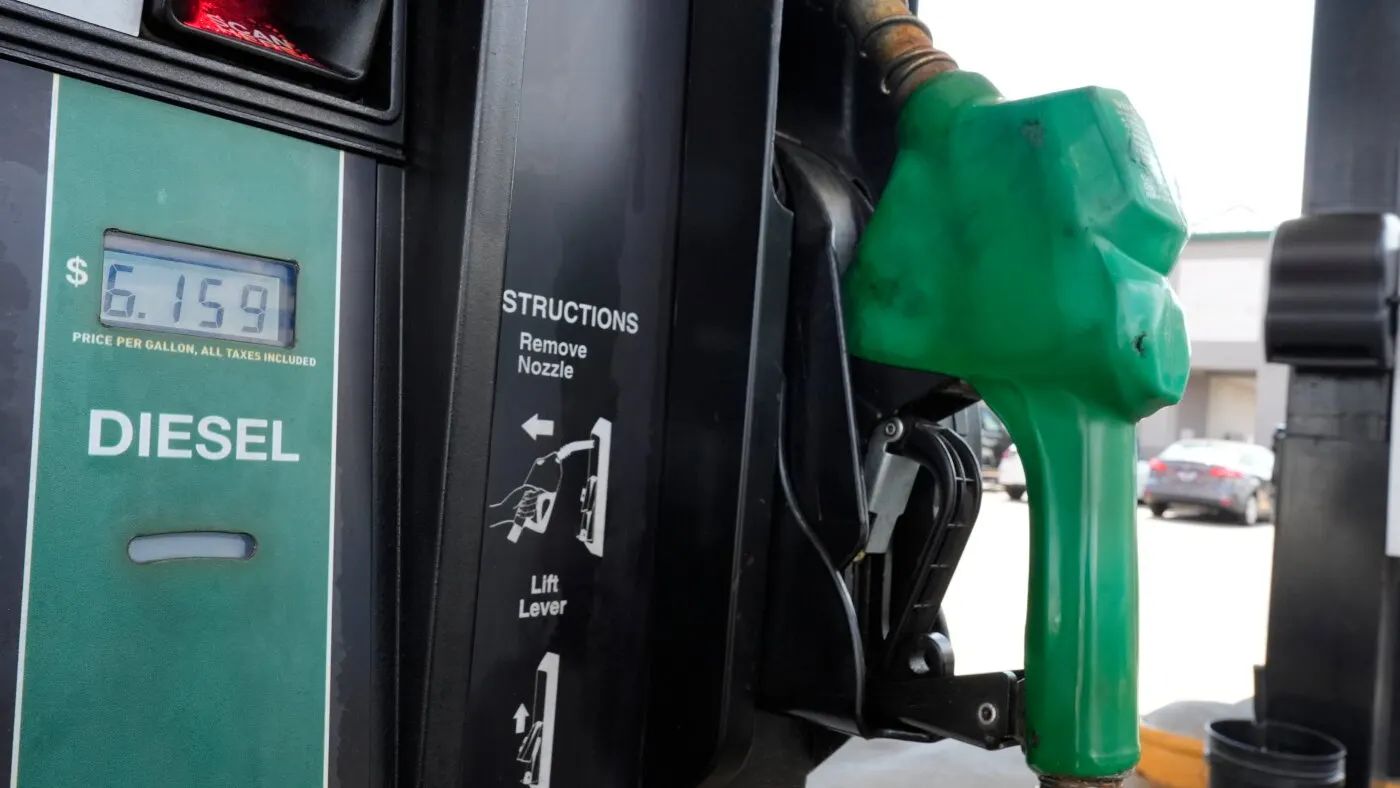
- National diesel prices hit a record $6.05 a gallon amid an escalating US-Iran conflict, pushing up grocery, shipping and delivery costs
- Transportation Secretary Sean Duffy said the rule 'finally ended the illegal mandate' for EVs, while Sierra Club's Katherine García warned of 'more gas burned' and 'dirtier air'
NHTSA's finalized rollback of national fuel economy rules – setting the 2031 fleetwide target at 34.5 mpg, well below Biden-era rules' 50.4 mpg goal – arrives as record diesel prices pile pressure on consumers and shippers, according to NPR, The Independent and other reports.6578
Infographic
Trump's announcement and approval
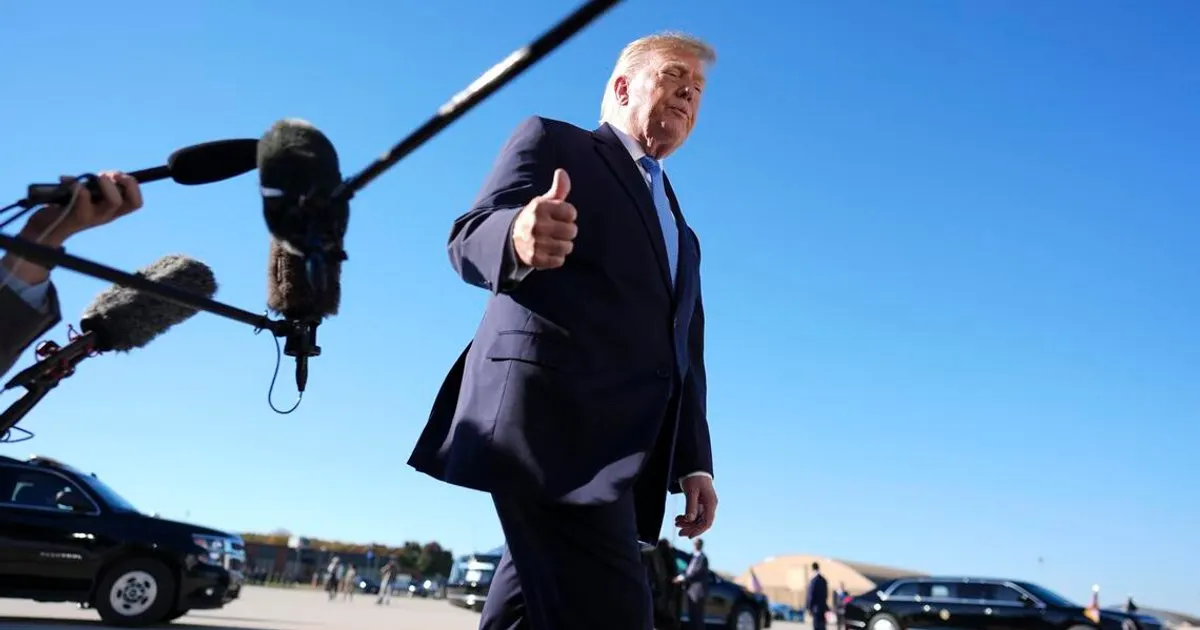
In a social media post, Trump declared that the new standards would end what he described as Biden's mandate for electric vehicles, using the single word "TERMINATE."3
Trump contended that the revised rules would reduce car prices and prompt manufacturers to boost domestic manufacturing.21
Trump also said manufacturers had approached him wanting to build in the country, stating, "Every Manufacturer, from General Motors to Ford to Stellantis, has called me wanting to build here, and now they can!"21
Transportation Secretary Sean Duffy indicated that officials planned to unveil the details on Monday.132
Record fuel prices complicate the picture
National diesel prices hit a record average of $6.05 a gallon, according to NPR, as fighting between the US and Iran escalated and Brent crude traded above $105 a barrel – pressuring shipping and grocery costs even as the fuel economy rollback promises cheaper vehicles.5
The price spikes have been global: diesel costs rose more than 90% in Nigeria and nearly 87% in Indonesia since late February, while Amazon added a 3.5% fuel surcharge for third-party sellers and UPS, FedEx and USPS tacked on new package fees, NPR reported.5
S&P Global's Jim Burkhard described the fuel market as settling into a new baseline rather than returning to previous norms, while Michigan State economist David Ortega noted that businesses are gradually passing these higher costs on to consumers once existing agreements are renewed and added fuel charges kick in.5
Background on CAFE standards
The Corporate Average Fuel Economy (CAFE) program, created by Congress in 1975, mandates that automakers hit specific average mileage goals for the cars and light trucks they sell. Regulators have revised these requirements over time, generally pushing for greater vehicle efficiency.23
Al Jazeera reported that Biden-era regulations finalized in 2024 called for average fleet fuel economy to climb from 39.1 mpg to approximately 50.4 mpg by 2031. Bloomberg reported that if the final rule mirrors last year's proposal, it would lower the 2031 model-year requirement to 34.5 mpg from about 50 mpg. Hospodárske noviny reported that Trump's predecessor, Joe Biden, had gradually tightened the standards to support the shift toward electric drivetrains.314
Al Jazeera noted the tougher rules aimed to spur domestic electric vehicle manufacturing and sales. Al Jazeera further noted that no federal law compels Americans to purchase electric vehicles or prohibits sales of gasoline-powered cars.3
Projected impact of looser rules
According to Hospodárske noviny, a US Department of Transportation proposal estimated that loosening the standards could lower the average price of a new car, while also leading to greater fuel consumption and higher emissions. The outlet added that the weaker rules would reduce pressure on American automakers to introduce electric drivetrains.4
Some companies, including General Motors, have said they will still make electric vehicles.2
Industry and policy implications
The New York Times reported that the newly revised fuel-economy rules would dismantle a government-led push to accelerate the shift toward electric vehicles, part of the Trump administration's broader effort to dismantle clean-car regulations.5
Formal rollout and reaction
The Trump administration formally rolled out the new fuel economy standards, setting the 2031 fleetwide target at 34.5 mpg, sharply down from the 50.4 mpg required under Biden-era rules, according to NPR, The Independent, ABC News, WRAL and Click Orlando.6578
Environmental groups condemned the rollback. The Center for Biological Diversity and the Sierra Club criticized the change, warning it would increase vehicle emissions and pollution even as the administration touted lower car prices.78
Transportation Secretary Sean Duffy said the administration had "finally ended the illegal mandate that forced automakers to produce more expensive electric vehicles that American families didn't want," while Sierra Club's Katherine García warned that "less fuel-efficient cars mean more gas burned, spending more at the pump, and dirtier air in our communities."8
Federal projections cited by the outlets found the 2024 standards would have saved 14 billion gallons of gasoline by 2050, while their absence could add roughly 22,111 tons of carbon dioxide, 4,870 tons of smog-forming pollutants and 90 tons of soot annually by 2035.513147
The changes arrive as new-vehicle and gasoline prices remain elevated: the average new car sold for a record $50,089 in August, and the national average gas price reached $4.47 a gallon, according to the reports.513147
Outlets noted that Trump has mischaracterized Biden-era EV incentives as a mandate; no federal policy required automakers to sell electric vehicles or barred sales of gasoline-powered cars.78
General Motors, Ford and Stellantis did not immediately respond to requests for comment on the finalized rule, The Independent reported, as electric vehicles' share of new-vehicle sales slipped to about 5.7 percent in August – down from roughly 7.4 percent earlier in 2025 – figures that conflict with an earlier report putting EVs at about 6.5 percent of sales in February.68
The Center for Biological Diversity said it plans to sue over the finalized rule, which applies the relaxed standards retroactively to model year 2022 vehicles, while the Department of Transportation projected the changes would cut yearly oil consumption by 1.3 billion barrels by 2050.68
NHTSA formally finalized the rollback, setting the fleetwide average at 34.5 mpg for 2031 model-year vehicles, according to Motor1.12
Officials contended that easing the requirements would help automakers spend less to build vehicles, even as they acknowledged that what customers ultimately pay hinges on factors like production expenses, rebates, loan terms, the lineup of models offered and buyer preferences.
The administration separately said the changes would save drivers roughly $1,300 on average per vehicle.61316
Economists warned the rollback could leave US automakers less competitive as the rest of the world continues shifting toward electric vehicles.6
Why it matters
Weaker US fuel economy standards could reshape global vehicle production strategies and raise fuel use and emissions, and the rollback is now headed toward a court fight even as record diesel and gasoline prices – worsened by the US-Iran conflict – squeeze households and businesses alike.1245
Related stories
same actors
Version history
- version 12 · Added new reporting on the Center for Biological Diversity's promised lawsuit, the rule's retroactive application to model year 2022, updated EV sales-share data, and record diesel prices tied to the US-Iran conflict.
- version 11 · Corrected and updated the story to reflect that NHTSA's signed final rule set the 2031 target at 34.9 mpg (not 34.5 mpg as earlier proposed), naming Administrator Jonathan Morrison and adding industry and economist reaction.
- version 10 · Added new details showing that the finalized rule stops manufacturers from trading fuel-economy credits with one another, changes how vehicles get classified, and includes the administration's separate claim of $1,300 in average savings.
- version 9 · Added new detail that NHTSA's finalized standards are built around gasoline and diesel vehicles only, excluding EVs from CAFE calculations, and that the administration argued this could lower production costs.
- version 8 · Added a new detail on Biden's separate goal for EVs to reach 50% of new-vehicle sales by 2030, now abandoned under the rollback, drawn from additional wire coverage of the finalized rule.
- version 7 · Filled out the record-fuel-prices section with new detail on diesel costs and a possible export ban, added sourcing on how SUVs and light trucks fare under the finalized rule, and included a fuller quote from the Center for Biological Diversity's Dan Becker.
- version 6 · Added fresh criticism from the Center for Biological Diversity's Dan Becker and the Sierra Club's Katherine García, noted GM, Ford and Stellantis gave no immediate comment, and flagged conflicting EV market-share figures (6.5% in February vs. 7.4% in 2025).
- version 5 · Added details on NHTSA's finalized rollback, including its cost and fuel-spending projections, the still-pending public comment period, and California's separate efficiency rules.
- version 4 · Updated to reflect the formal rollout of the new fuel economy standards setting the 2031 target at 34.5 mpg, environmental groups' criticism, record car and gas prices, and a rise in automaker stocks.
- version 3 · Updated to reflect Trump's approval of the rollback, Monday's planned CAFE rule release, record diesel and gasoline prices, and criticism that the change will raise pump costs while benefiting oil companies.
- version 2 · Updated to reflect Reuters' report that US officials will present the finalized fuel economy standards on Monday, new Transportation Department estimates showing higher fuel use and emissions despite lower prices, and Trump's tariff threat and investment claims.
- version 1 ·