World · United States of America, Islamic Republic of Iran
Trump Rejects Poll Ratings and Acknowledges Lower Munitions During Iran War
The US president defended his economic record and electoral prospects while conceding that the conflict had reduced some weapons supplies. He also raised the possibility of further strikes after the midterm elections.
Trump rejected weak polling while acknowledging that the Iran war had reduced some US munitions stocks. He said further strikes and election-related emergency measures remained possible.
- Trump called unfavourable polling “fake numbers”.
- Some US munitions supplies have fallen during the Iran war.
- Trump promised to rebuild weapons stocks to unprecedented levels.
- He said strikes could intensify after the midterm elections.
- He declined to rule out an election-related national emergency.
What's new
- Trump acknowledged that some US munitions supplies have declined. (s2)
- He said strikes against Iran could increase after the midterm elections. (s2)
- Trump dismissed unfavourable polling and said his campaigning would help Republicans. (s1, s2)
US President Donald Trump used a wide-ranging Time interview reported on 1 October to reject unfavourable opinion polls, discuss the continuing Iran war and acknowledge that some American munitions supplies had fallen. He said Republicans could do well in the 2026 midterm elections if he campaigned alongside their candidates and left open the possibility of intensified strikes after the vote.12
War and weapons supplies
Trump conceded that some munitions stocks were lower because of the Iran war but maintained that the United States remained well supplied. He pledged to rebuild inventories to levels not previously reached and said American weapons manufacturers were constructing plants around the country to produce Patriot and THAAD systems.2
The conflict began in February, and US forces have since used large quantities of long-range ground-attack weapons and air and missile defences, according to the BBC. A Pentagon inspector general’s report in July identified shortages of critical munitions and delays in replacing them. The Center for Strategic and International Studies estimated that inventories of some Patriot and THAAD interceptors had fallen substantially, in certain cases by more than half.2
Trump said the United States could step up attacks on Iran after the midterm elections and that renewed hostilities remained possible. He had previously said the war would finish immediately after the election because Iran could not continue much longer. He also said he had turned down Iran’s offer to restore passage through the Strait of Hormuz.2
In May, Trump said he could have ended the conflict earlier but chose to continue it because he wanted to go further. He later said the war would be wound down within two or three weeks. In the Time interview, he blamed the media for what he described as public misunderstanding of his comments about how long the war would last, according to The Guardian.1
Polling and the economy
Trump rejected polling that showed weak assessments of his presidency and economic management, calling the results “fake numbers”. He said he would defeat any current opponent by 20 points and accused pollsters of corruption. He also maintained that the country had the strongest economy.12
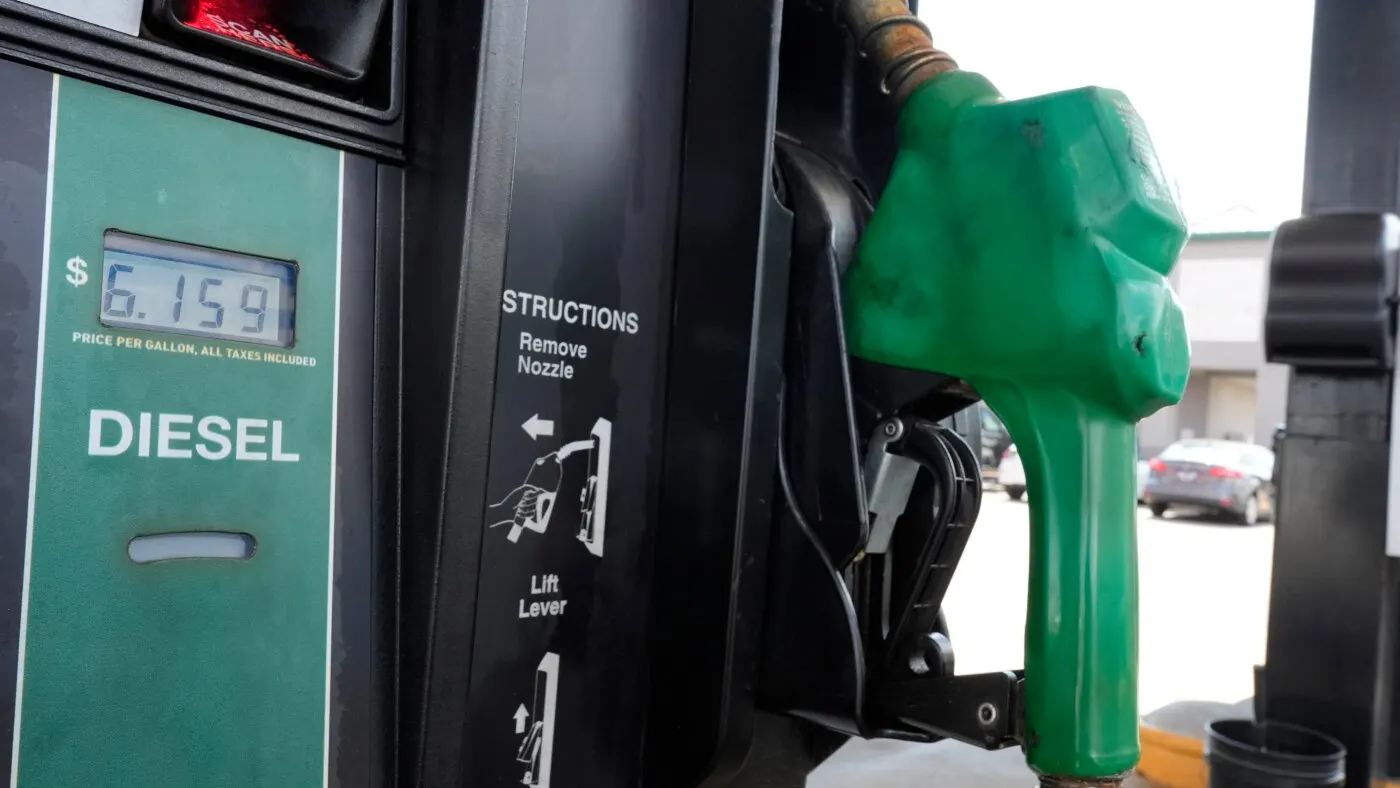
An Associated Press/NORC survey cited by The Guardian put approval of Trump’s handling of the economy at 26% and overall job approval at 31%. About 74% of respondents viewed the economy negatively, while 65% directly blamed his policies for higher costs, according to the same report. The Guardian also reported gasoline prices above $4 a gallon and inflation at 3.4% during a period in which the war had been associated with higher everyday expenses.1
According to BBC reporting on an AP-NORC survey, Trump’s approach to living costs was supported by 17% of American adults, while 26% backed his stewardship of the wider economy, a record low. Republican campaign strategists were reportedly concerned that negative views of the president could damage the party’s electoral prospects. Trump said candidates should fare well if he campaigned with them.2
The Guardian reported that polling showed Democratic candidates gaining ground, including in historically conservative Texas. Some Democratic lawmakers were concerned that Trump might again make fraud allegations if their party exceeded Republican performance in November. Trump has argued that US elections are insecure and has signed executive orders seeking greater control over voting methods.1
Emergency powers and the Supreme Court
Asked about the period before the midterms, Trump declined to rule either in or out a declaration of national emergency. He also said he could use the Insurrection Act, which allows a president to deploy troops inside the country in specified circumstances, although he has not invoked it. The Guardian reported that federal law enforcement officers cannot legally be deployed to polling places; FBI director Kash Patel has not ruled out such a deployment.1
Trump also expressed regret over his selection of Neil Gorsuch, Brett Kavanaugh and Amy Coney Barrett for the Supreme Court, saying they had sided against him too frequently. The court has ruled against him in cases concerning tariffs and attempts to reverse birthright citizenship, according to The Guardian.1
Why it matters
For readers in Europe, the interview sets out the US president’s current position on a continuing war, depleted American weapons supplies and the possibility of increased strikes after the elections. It also links those foreign-policy questions to domestic economic dissatisfaction and Republican electoral prospects.12
Related stories
same actors
same actors
Version history
- version 1 ·